Episode Transcript
[00:00:02] Speaker A: You're listening to the Zipline Logistics Truck. Yeah. Podcast, where we explore all kinds of hot topics in the logistics industry.
Get ready to learn, laugh, and get your freight on.
Ladies and gentlemen, good morning. Welcome back to another edition of the Zipline Logistics Podcast. My name is Jesse Jewitt. Joined with me as always, our Director of training and development, Teddy Lee Knox. Ted, good morning. Hello.
[00:00:33] Speaker B: How are you?
[00:00:34] Speaker A: Wonderful, wonderful. We have a special guest today.
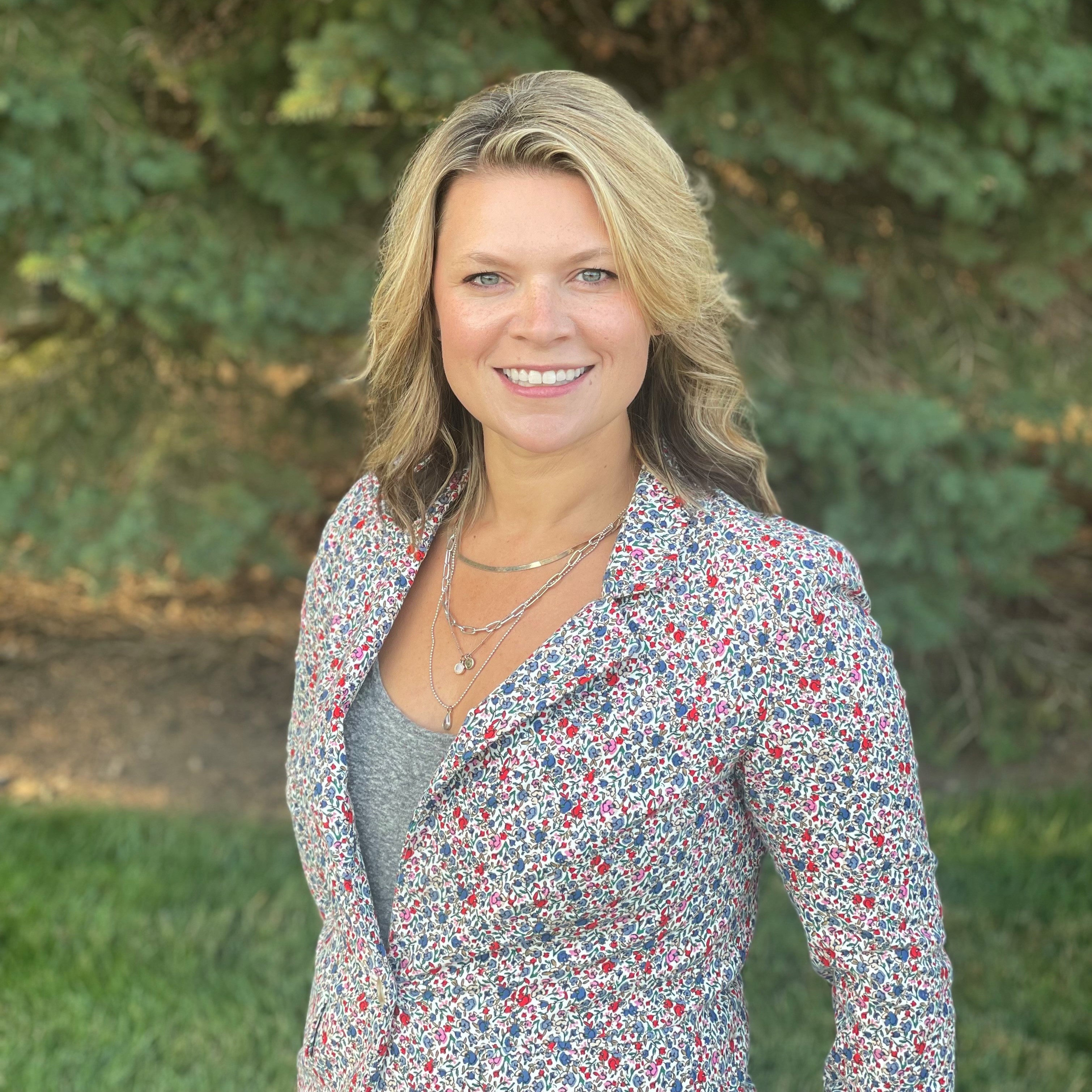
We are talking to Colby Varley, the VP of Sales at Advanced Transportation Solutions, AKA ats. Colby, welcome to the podcast.
[00:00:47] Speaker C: Hey, good morning, Jesse. Good morning, Teddy. Thank you. And just. It's Advanced Transportation Services.
[00:00:53] Speaker A: Oh, I'm sorry.
[00:00:54] Speaker C: Ats.
[00:00:55] Speaker A: Yeah.
[00:00:56] Speaker C: All good. We've been called worse, I'm sure.
Yeah. Thank you. Good morning.
[00:01:00] Speaker A: Yeah. Let's talk about what ATS does. It's a. It's a reefer service, correct?
[00:01:05] Speaker C: Yeah. So we're a third party.
We specialize in highly perishable food and produce transportation all over the United States.
[00:01:12] Speaker A: Very cool. And. And you've been doing this, am I correct? Four decades. No, not.
[00:01:17] Speaker C: Not me.
[00:01:17] Speaker A: Not you specifically.
[00:01:18] Speaker C: But ATS has been in business since 1984. So in October of this year, it'll be our 40th anniversary.
I got on the scene in 2010.
I'm coming up on 15 years at the end of this year.
[00:01:33] Speaker A: Nice.
[00:01:33] Speaker B: Wow.
[00:01:34] Speaker C: Yeah. And still have my CDL and couldn't imagine doing anything else.
[00:01:39] Speaker A: Once you get into transportation, it sucks you in, doesn't it?
[00:01:42] Speaker B: Really does.
[00:01:43] Speaker C: Yes, it does.
[00:01:44] Speaker A: Let's talk about some of the challenges. You know, we certainly. It's one of our. Refrigerated transportation is one of our fastest growing modes over the last three to four years due to our CPG expertise. Right. It seems like every new food brand, snack brand in particular, it's like, you know what we'd really like to do to make it easier for us? We'd like to make sure that our product ships on refrigerated transportation, because that seems simple and efficient, which is sarcasm. But what are some of the biggest challenges you've faced in your career?
[00:02:15] Speaker C: Some of the biggest challenges that I've faced in my career are just overcoming rejection.
You know, this is no different than any other sales. I mean, there is so many no's and probably double the amount. And what I mean by that is we're. We're a cradle to grave brokerage. So I handle both the customer and the carrier. So you can imagine if you're in customer sales, how many no's you get. Right. You know, times that by two. Because now you're trying to the yeses that you do get, you're going to sell it to a carrier and you're getting no's. So you're getting double the amount of no's. So I think just, you know, being resilient, not giving up, having grit and just that, you know, that drive to kind of live another day type mentality. Even when it doesn't go your way. Because it definitely doesn't go your way every day.
[00:03:06] Speaker A: Absolutely. This isn't on our show notes, but I'm going to throw you a curveball here when you're talking about getting, getting no's from your carriers. Right. Do most of the reefer carriers prefer to operate independently or why wouldn't they work with a 3 PL?
[00:03:21] Speaker C: Not necessarily working with us, but there is some, some folks that, that don't work with three PLs.
[00:03:29] Speaker A: Sure.
[00:03:29] Speaker C: You know, I, I have some carriers to this day that, you know, it took four or five years of soliciting them in a particular traffic lane for them to finally say, okay, you know what, like we're gonna give you an opportunity. You know, we have some space and this might work for us now. So it just depends. You know, some, some carriers are in a position that they don't need brokered freight.
[00:03:55] Speaker A: Right.
[00:03:55] Speaker C: They have direct customers going where they need to go and you know, they have enough of it that it works for them. But then it comes down to, you know, driver availability for the ones that you are working with, what traffic lanes you're running. You know, some people I think have the misconception you're not going to send a load to New York on a carrier that runs southeast.
[00:04:19] Speaker A: Right.
[00:04:19] Speaker C: And vice versa. So you, you got to have the freight where they want to go.
[00:04:23] Speaker A: Right.
[00:04:24] Speaker C: Very, very difficult to sell an order to a carrier that you're going to send them somewhere that they're not going to be able to get out of, that they have no relationship to move their truck after they move it with you.
[00:04:38] Speaker A: Absolutely, that makes sense. You always want to keep those drivers moving. And certainly, you know, there's an element of a home base to consider always with those drivers going to set them back to where they're from.
But yeah, that, that definitely checks out. Talk to me a little bit about the white glove element of the freight that you, you haul or that you specialize in.
[00:04:59] Speaker C: Yeah, so we, we try and consider ourselves the white glove service when it comes to refrigerated transportation. So what does that mean ultimately, at the end of the day, a lot of these three PLs or brokerages, we all offer the same, the same service. We pick up an order and get it from A to B with us. So it's like, how do you differentiate yourself?
Well, you got to add some sort of value. So what extra communication, what extra availability? Like, I'm pretty much available to my customers 24 7.
[00:05:31] Speaker A: Right.
[00:05:32] Speaker C: You know, and, and my customers, that's, that's important to them. We have staff around the clock. You know, a lot of people have that now, but some don't. Our customers, that's important. Visibility.
How are you able to, you know, take a whole bunch of carriers, put them into one platform and know where they are at all times? You know, we have multiple different tracking and visibility options that we kind of customize to what the customer needs. You know, I'm sure you guys have seen it. Some people want updates via edi, some people want it put into their portal, some people want an email, some people want three updates a day. You know, just being able to be flexible and moldable to what the customer really needs at the end of the day is kind of that white glove concierge service that we're trying to provide.
[00:06:25] Speaker B: And you said you still have your cdl, right?
[00:06:28] Speaker C: Yes, ma'. Am.
[00:06:29] Speaker B: And did you drive a reefer truck or.
[00:06:31] Speaker C: Yeah, so I started in 2010 right out of high school. I was working for an asset based LTL company here in Salinas. So I started working, doing just local pickups around town. We would bring it back to a consolidation center, mix those trucks and then we were delivering to the Los Angeles and San Francisco Bay area markets every night. So started, you know, small 24 foot box truck, ultimately ended up in a, you know, 53 foot sleeper and drove that for a little bit before kind of working up, working on the loading dock, being in the night dispatch, day load planning and ultimately, you know, load planning and doing sales before I came to ats.
[00:07:14] Speaker B: That's, I mean, that experience has got to help with that visibility. Like you were saying, into, you know, selling the transportation and the white glove service. Because you've done it, you get it. It's not just you talking about it, you've been there.
[00:07:27] Speaker C: Yeah, it really makes all the difference. And for anybody listening, if you've done LTL and then you go to, you know, full truckload only, it's just so much easier. I mean, yes, there is problems, but knowing how to handle that, you know, you've done it with 15 or 16 customers on one truck. Now you're only dealing with one.
[00:07:46] Speaker A: Right.
[00:07:47] Speaker C: That's why I kind of got out of it. You know, there's four people that really hate you every day. You know, it's either the customer, the receiver, the shipper, or the driver. Somebody's just pissed. It's like, you know, just. I just, you know, couldn't live my life like that anymore.
[00:08:03] Speaker A: Yeah. Yeah. It's never fun to be the target of everyone's ire.
How about that vocab work?
[00:08:11] Speaker C: Unhappy. Yeah.
[00:08:14] Speaker D: What's up, truckers? If you're loving this episode of the Truck yeah Podcast, I guarantee you'll also love Zipline Logistics newest ebook. It's called Leveraging Shipper Intelligence Technology to navigate supply chain issues.
And this amazing ebook dives deep into how you can select the best shipping technology to maximize your brand's roi. A peek into what technology that's out there and everything you need to know about Zipline's proprietary shipping intelligence tool, Canopy. And you want to know the best part? It's completely free. So you can download the ebook by visiting www.ziplinelogistics.com or by simply clicking the link in the show notes. This is an amazing resource that you don't want to miss out on the opportunity to check out. So go download it right now. Now, let's get back to the episode.
[00:09:05] Speaker B: Although we are technically competitors that may share a lot of the same values and experience of what we're putting in that visibility to our clients. And I love that. I love hearing it. And it's cool to see you doing it every day. And that white glove, especially with the reefer, like you were saying, with the produce, that's gotta make a huge difference.
[00:09:24] Speaker C: Yeah. Just being in a niche, we know what we're good at.
We have a lot of, I guess, ats isms you could call it, but, you know, no business is better than bad business. We're not looking to be the cheapest.
You know, we're looking to provide the best value.
And, you know, you got to pay for that. And our customers, they. They understand that we're not, you know, the hot. We don't want to be the most expensive, but. But we can't. We can't be the cheapest and offer you an elevated service either.
[00:09:54] Speaker A: Right. Did that message or that strategy with ATS evolve, you know, in the four decades of business almost.
Did it start with refrigerated freight or did it evolve into, hey, this is the group that we think meshes the best with our. Our value set. Right. Cause I think that kind of tracks with our. With Zipline story of transitioning into CPG focused is it's very similar to refrigerated freight. Right. They value the service, they value the extra touch, et cetera, et cetera. Is that how it worked for ats?
[00:10:29] Speaker C: Yeah. So ATS has always been refrigerated produce.
Our founders were actually produce brokers that had the idea to start ATS and they were using our now CEO who started it in 1984. He was their truck broker, got it for another company and they had a meeting.
You know, they. They kind of prompted him like, hey, you, you should start your own business. And it was like, yeah, with what? My guitar, my Levi car? Like, I don't have any money, you know. And they said, well, we do and you know, you know how to do it. And obviously we're not gonna, you know, be your only customer, but we'll be able to give you some loads. And so it's always been progress transportation and just some real good ground rules that old school type produce, you know, like customers that pay your bills in 30 days.
[00:11:23] Speaker A: Right.
[00:11:24] Speaker C: Just some real good business practices that have enabled us to, you know, live on and become healthy after 40 years. And we've really kind of taken those building blocks that those founders gave us and just continued to use them. And that's what's really helped drive our success.
[00:11:46] Speaker A: That's awesome. So as the VP of sales, this is kind of a unique question. So you mentioned trying to find the right people, right? Customers that are matching up with your value sets. Does that focus on the service and kind of and you know, not being the cheapest, et cetera? Obviously there could be some disadvantages to that. Do you find yourself giving maybe a customer who is pushing for the cheapest option a shot and then you learn through kind of an maybe a lack of partnership that they are not a good fit for you and then you move on quickly. Or what are some of those challenges of identifying the right customers?
[00:12:24] Speaker C: I think it really comes down to what kind of freight market you're in. That's when you really find out. You know, obviously during, during COVID and whatnot, when it was demand exceed supply. Like, you know, we, it was pretty easy to onboard people were. We were getting a lot of referrals just obviously from our reputation of, you know, getting it done and being fair. And a lot of people were looking for that when, you know, there was some unfair type practices going on in the industry just due to the market conditions.
But having those guys kind of slip away as the market decided to change course you kind of learn, okay, like, maybe they weren't such a great partner.
[00:13:11] Speaker A: Right.
[00:13:11] Speaker C: And when it comes back around, you got to remember that. So, you know, to answer your question, yeah, we. We kind of just see how it goes. You know, if you're not able to make your. Your margin, your minimum, you know, it's like, hey, could I use this time better elsewhere type thing.
[00:13:30] Speaker A: Yeah.
[00:13:30] Speaker C: You know, it's.
You kind of got to look at it. We look at it as a company. We look at it individually with the salesperson, you know, depending on their book of business.
Hey, is it worth it for you? You know, is it worth it for the company? Is it worth the risk? You know, we got to look at all those things and, you know, then just have a conversation with them and say, hey, you know, we're pretty transparent when it comes to that. You know, some of these customers, they'll require some ungodly insurance and.
[00:13:59] Speaker A: Right.
[00:14:00] Speaker C: You know, we go out. We go out and get it, and it's like, hey, that's going to cost me XYZ a year to add this to my policy for you. I have absolutely no problem doing that. However, you know, here's the orders that you've given me for 20, 23, and the margin doesn't even cover right what you're expecting me to go get insured for, you know, and it's like, we got no problem going and getting the coverage for you, but, you know, are you going to be able to provide me more orders that I can at least cover what it's going to cost me to get insured to haul for you?
[00:14:35] Speaker A: Right. Yeah. Let's work together on an amicable solution.
[00:14:39] Speaker C: Yeah. You know, and I mean, I don't know your guys's experience, but unfortunately, I feel like sometimes the people telling you all this, you got to go to somebody with a little more authority to have that conversation.
They don't comprehend all that. You know, that's fine. But at the end of the day, we are running. Everyone's running a business, correct?
[00:14:59] Speaker A: Yeah. I mean, certainly the last two years have been a world of a lot of difficult conversations. Right? Like, this is. I know you. I know you're getting calls, you know, probably 10, 15 calls a day to move your freight, and they're telling you that they're going to be 10, 20% cheaper than what we are, and that's fine.
But as you said, we got to keep the lights on. We have to rely on our service, rely on our expertise.
We've. It's. Nothing has changed. We Continue to deliver for our clients. You'd like to think that that would mean something in this world, and I think it does for the right partners. But yeah, there's. There's definitely people out there like, well, you know, I happen they're. Thankfully, most of them are transparent to us. Well, like, hey, we have to go a different way because I'm being directed to, you know, try and save as much money as possible on transportation because we got hit, you know, during the COVID time. Which, which I understand, but like you said, you can't. Can't forget that.
[00:15:58] Speaker B: I think it moving forward so helpful to. Helpful and important to have that niche too though, because this industry is not actually that clear. It's actually very confusing. So it's nice to have someone with the niche for the white glove reefer produce. Reefer is still one of the things I think most customers and when I'm training and onboarding, people are still so confused about.
Same thing with CPG and retail and those things.
How those, I guess, loads and markets are impacted by the actual freight market changes a little bit. And I think that that's really important. And if you're not able to speak directly to that customer, to that person, or help, you know, get to that elevated position like you were talking about, it can cause a lot more strife and hinder those relationships. So I think that niche is extremely important to have when you go to talk about the trends and themes of the market. Challenges.
[00:16:53] Speaker C: Absolutely. I mean, couldn't agree more. And I feel, you know, to your point, it's helpful. Right? I mean, people are looking for specialists. They're not looking for generalists. You know, they want somebody that specializes in a certain area that they know as an expert in that field.
[00:17:10] Speaker B: Mm, great. I'm actually kind of interested to see, based off of your experience, what, what are the biggest trends coming up within your market? I know there's rumors of the market kind of changing here in the next coming months. What, what are you seeing? What themes or challenges are you seeing when it comes to the market?
[00:17:28] Speaker C: I feel like there is a market correction needed and I'm not the someone over here hoping that it goes to the moon. We've already kind of ridden that ride and God knows that was an adventure. But, you know, something a little bit better than what we're seeing. You know, I'm kind of the guy that looks for more of the even keel, everybody wins type market. Not the escalator or, you know, going straight down.
Those are a little bit tougher on everyone.
You Know, I think that unless something drastic happens, you know, it's just. I feel like we're kicking the can down the road a little bit. And I don't know, you know, my opinion is with technology and social media and all the stuff out there, like, it just seems like there's a little bit more.
What's the word I'm looking for? Like, a little bit more anxiety. Like, so many people are talking about it. So many people have an opinion. You know, it's just so built up. You know, like, it's. It's building up, it's building up, it's building up. And, you know, when is it going to explode and how severe is the explosion going to be? That's anybody's guess. But I've kind of gotten to the point that it's like we're all looking in the same crystal ball. You can have as much data to look at and forecast and think, but at the end of the day, you know, we just got to take it kind of one day at a time and put your best foot forward.
Align yourself with carriers that you can count on and align yourself with customers that you can count on. You know, I mean, I. I don't know how else to approach it with the, you know, uncertainty in the market.
[00:19:18] Speaker B: I. I love that, and I completely agree. And I think that's one of the biggest things about 3pls is we want both sides. Both sides of our. Our customers, the carriers as well as the actual vendors. It's really important for everyone to be able to succeed in the market. It shouldn't just be one side or the other. And I think, you know, maybe non3pls don't see that. And that can cause some additional strife in the market.
[00:19:44] Speaker C: Yeah, absolutely. I mean, we're here for both sides. I know that can be hard to believe. You know, sometimes brokerages catch a lot of flak or strife, is what you're saying, on both sides.
But at the end of the day, like, we can't operate without both sides.
So it's in our best interest to keep both sides healthy, be fair, and, you know, goes back to what Jesse said. Having those tough conversations, you know, sometimes you gotta have those, you know, and how you deliver that can ultimately make or break a relationship.
[00:20:19] Speaker B: Yeah, Jesse's very good at those conversations, very skilled.
[00:20:23] Speaker A: I am working on it A lot. A lot of experience. 17 years. Yeah. Well, Colby, where can people find you and the ATS team? Give us, give us, our listeners, a chance to connect with you.
[00:20:34] Speaker C: Sure. So, obviously, I'm on all social media platforms, Facebook, Instagram, LinkedIn.
I think there's a YouTube for some of the shorts. Our website, advanced transportationservices.com great.
[00:20:49] Speaker A: Well, thank you very much for joining us today.
[00:20:52] Speaker C: Appreciate you guys having me.
[00:20:53] Speaker A: Yeah, absolutely. For our listeners out there, please give
[00:20:56] Speaker B: us a five star rating so we can have them back.
[00:20:59] Speaker A: Yeah, leave a rating. We want some, some extra listeners out there. Reach, you know, the ratings help. Again, Colby, thank you very much. Good luck for the rest of 2024. And, you know, fingers crossed, toes crossed, ears crossed, eyes crossed for a market for flip in 2025.
Thanks everyone, for joining us. Another edition of the Zipline Logistics Podcast. We will see you next time.
[00:21:23] Speaker C: Thanks, guys.
[00:21:24] Speaker B: Thanks.