Episode Transcript
[00:00:00] Speaker A: You get charged when this stuff is held up at the port.
[00:00:02] Speaker B: Oh, yeah.
[00:00:02] Speaker C: Me, I feel like I am always a just in time model person in life as it is.
[00:00:07] Speaker B: Like I gotta get from three girls.
[00:00:09] Speaker C: Yeah. One thing to the next, you know,
[00:00:10] Speaker A: and then all of a sudden this item goes crazy. Like we have a peanut butter that sits on the shelf upside down so the oil stays at the bottom and then when you flip it over, the oil is not at the top. We can't even keep it on the shelf.
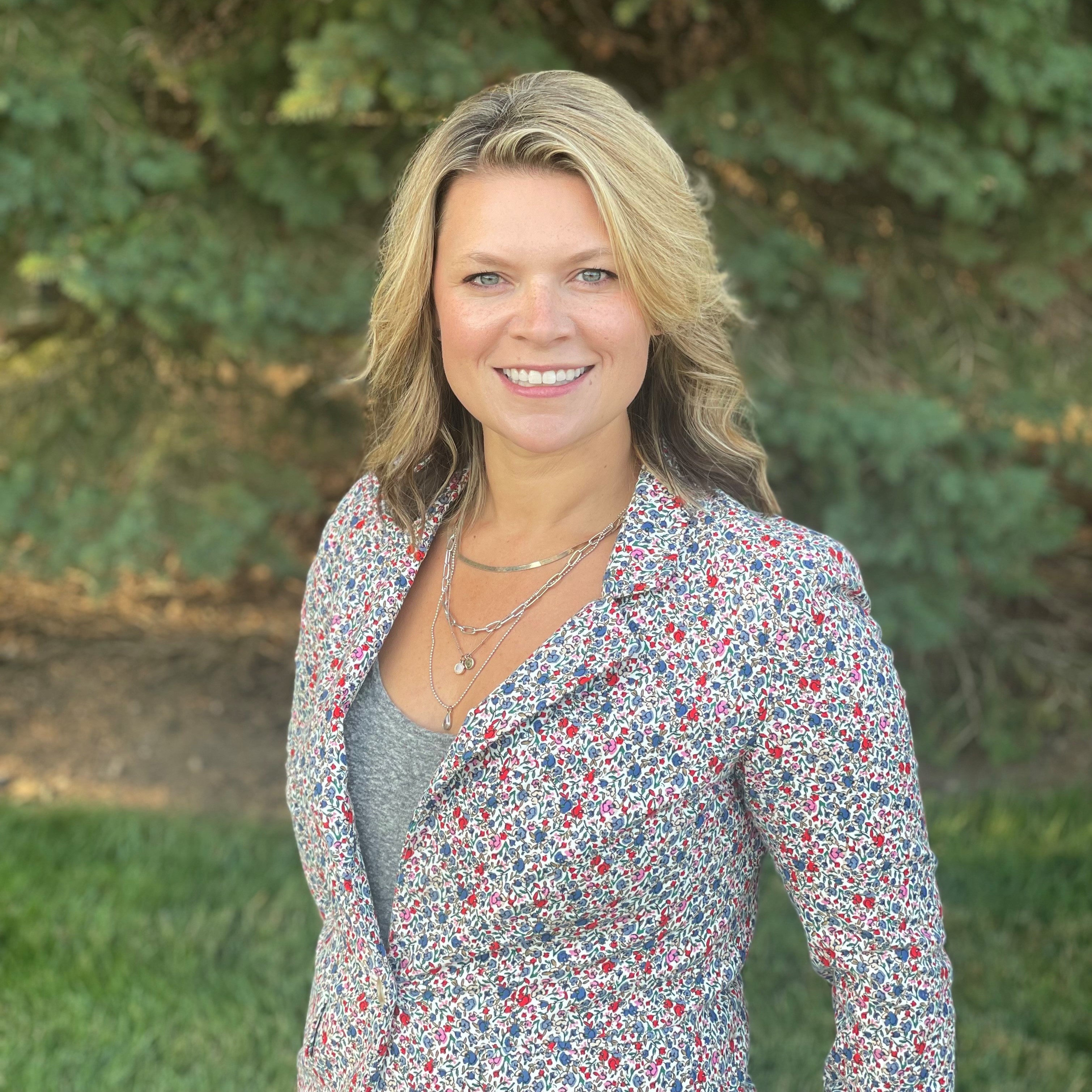
[00:00:21] Speaker B: The one, the only, Jack Hanna, the director of supply chain at Chex Finer Foods. Good morning, Jack.
[00:00:28] Speaker D: Calling all CPG shippers, truckers and logistics pros.
Welcome to the truck. Yeah Podcast. Your ultimate cheat code for smarter shipping, smoother logistics, and dominating the shelf where it matters most. Buckle up. It's time to learn, laugh, and get your freight on the camp.
[00:00:47] Speaker B: Ladies and gentlemen, welcome back to another edition of the Zipline Logistics podcast. My name is Jesse Jewett, joined with me as always. Tag Teddy Lee Knox. Hello, Teddy.
[00:00:58] Speaker C: Hello. How are you?
[00:00:59] Speaker B: Wonderful, wonderful, wonderful. We got a special guest joining us, the one, the only Jack Hannah, the director of supply chain at Chex Finer Foods. Good morning, Jack.
[00:01:09] Speaker A: Good morning, Jesse and Teddy. How are you?
[00:01:11] Speaker B: We're wonderful. Thank you so much for joining us. Today we're going to pick your brain, we're gonna learn your story, but we're really talking about mastering just in time, the strategy behind checks Finer Food supply chain. I'm sure you've got all sorts of stories for us and exciting things to talk about in the world of Chex Finer Foods. But let's talk about you first and understand, you know, how. When did you start at Chex Finder Foods and anything else in your supply chain history. Where are you coming from right now? Where are you located? I guess.
[00:01:44] Speaker A: Well, I'm calling you from my home office, which is in Johnston, Rhode Island. So up in the northeast, you know, where kind of, you know, everything happens and there's a lot going on over here, obviously being close to New York and Boston.
Our, our Chex office is in Mansfield, Massachusetts, which is about maybe 30 minutes south of Boston and right off the highway. So we're very central, centrally located, obviously to service our customers.
[00:02:10] Speaker B: Nice. And how'd you get started at Chex Finer Foods?
[00:02:13] Speaker A: I mean, I'd like to say I got recruited to go to Chex, you know, so I was at a company called Trimark United east, which was a food service equipment and supply company.
I was there. It was actually my second tenure working there with a Brief stop at unfi United Natural Foods in between checks came calling. They were creating a new position as a supply chain manager where in previous, as they were growing, the buyers reported directly to the cfo and we brought on some new major chains that, you know, there just needed to be more detail and attention put to the supply chain things, side of things and that's where I came in. So I'm proud to say I am the first supply chain manager and now director of supply chain at Shack's Finer Foods. And hopefully we'll be there for, for the long haul. So. So I'm the one and only.
[00:03:02] Speaker B: That's awesome. Are you a New England native?
[00:03:05] Speaker A: I am a New England native, yeah. So Rhode island native. I've lived here my whole life.
[00:03:09] Speaker B: Oh wow.
[00:03:10] Speaker A: Growing up I thought I'd, you know, go out west and hit California and that was one of my wants. But nope, I've never left. And now that I've got kids and stuff and roots here, I, I probably am not leaving anytime soon.
[00:03:21] Speaker B: So I assume that means Red Sox fan.
[00:03:23] Speaker A: Of course. Red Sox, Patriots, Celtics, all the local teams. That's how I was raised.
[00:03:28] Speaker B: Okay, okay, good to know, good to know. Maybe for future discussions.
[00:03:33] Speaker A: Yeah, yeah.
[00:03:33] Speaker B: Detroit. I'm a Tigers fans. You know, it's, it's been a tough road, but not quite as we haven't had the 100 year gap in World Series like the Red Sox did and but man, you guys are crushing it here the last 20 years or so.
[00:03:46] Speaker A: Yeah, it's been a good run.
[00:03:48] Speaker B: So. So correct me if I'm wrong, you started right before the pandemic at checks and then kind of navigated that whole thing.
[00:03:55] Speaker A: Yeah. So yeah, we took on a big customer, a chain with like 160 stores right around 2017, 2018. I started in November 2018, so going on eight years. And it's been a wild ride in those eight years like you said, with COVID hitting and most of in what we sell at checks is mostly pantry type items. We're not like a fresh and frozen house.
So obviously a lot of things that people would stock up on in a situation like with COVID and, and everyone kind of working from home work through the port strikes recently, the tariffs, you know, now we have the Iran conflict and fuel prices. So there's, there's always something going on to make it interesting.
[00:04:42] Speaker B: It never ends, Jack. It never ends the world.
But it's interesting. You know, I've been in it for I guess almost 20 years now. 2007 I started so it's nice. It feels like the logistics and the supply chain are coming more and more to the forefront. Maybe that's just because I'm reading more about it, because I'm, I'm in it 20 years into it. But it feels like I know more about or hear more about the, in the news supply chains and things of that nature. Certainly the pandemic, you know, that was big time. Remember when the containers were sitting in the long beach ports? That was. Or the boats rather outside of the, the ports just waiting to be unloaded. It's been interesting.
[00:05:21] Speaker C: I agree with you though. I feel like every soccer game that we've been at this season or honestly whenever parents will come up to me and be like, what's going on here? What's going on with this? You know what's going on. Right. I mean it's great that people think I know everything that's going on in logistics and supply chain, but also it's like they, I feel like people are starting to understand and look into it a little bit differently as consumers than they did in the past couple years. And I think you're right. I think that started with the pandemic.
[00:05:47] Speaker B: Sure.
[00:05:48] Speaker A: And Jesse, you make a great point that I think 20 years ago no one even knew the term supply chain unless you were really in the industry or in the know. That was kind of a new term and now everyone knows it and I think everyone think knows it affects their pocket is really why this is a mainstream type of term now in the world beyond just people like me that work within the field.
[00:06:10] Speaker B: We're all connected.
So let's talk about check's model or your model. I guess it's a just in time or JIT delivery model. Can you kind of walk us through the definition of that and what does that look like day to day, Jack?
[00:06:24] Speaker A: Yeah, well, I mean I handle mostly or everything on the inbound side, but obviously on the outbound side we, we obviously take orders up till, you know, one o' clock every day and get stuff out the next day. So there is a just in time on the outbound but. And I, but I will say on the inbound, I mean obviously just in time. It is what we live, but it' not really ideal. I mean I wish that we had the inventory we needed two weeks before every promo.
And you know, I had a crystal ball and I knew about, you know, containers being delayed and being held up in port and that way there I was never cutting it so close. But unfortunately that is the reality of what kind of we do day to day is just in time. So I just wanted to kind of point that out. That, you know, it's obviously not something we're striving for, but it's something we really need to be good at and be very nimble.
And that is checks is, you know, industry kind of advantage or one of them, where some of these larger distributors, they can't move as quickly or pivot or adjust as we can. Being a, you know, just, I don't know, being a leaner company and being able to move without a lot of layers.
[00:07:33] Speaker B: Okay, so that's a strategic decision from. From your executives, I guess, to. To. And is it more focused on the inventory or is it just to kind of fulfilling the orders or both, I guess.
[00:07:45] Speaker A: Yeah. Yeah. On the inventory, we are selling food, even though it's mostly dry groceries. Like I said, there is dating. We're trying to turn product only keep so many days on hand. I mean, we are trying to, you know, our, you know, average days on hand might be 30 to 40 where we want to be. So, you know, four weeks of safety stock. But you know what. What happens with the just in time is we get a. A late promo. You know, one of our chains says, hey, I want to do this promo in two weeks. Right? Here's all the orders. Or, you know, there's a production delay at one of our suppliers, and it goes on more than four weeks.
Or there's some of the import delays we talked about.
[00:08:24] Speaker B: Right.
[00:08:24] Speaker A: That will affect. And then literally, you know, there's an item coming in and going out, you know, the next day, and then maybe sometimes we're even out of stock, you know, less than a week, and then we're waiting for the next po, which is something we're trying to work through currently.
When. Especially in this day and age, when you have items that go viral or, you know, an influencer on TikTok or. And I'm. I'm not an expert in that, so if I say anything that doesn't sound right, don't. Don't knock me for that. But. And then all of a sudden, this item goes crazy. Like, we have a peanut butter that sits on the shelf upside down, so the oil stays at the bottom, and then when you flip it over, the oil is. Is not at the top, and we can't even keep it on the shelf.
[00:09:03] Speaker B: Wow. That just blew my mind. But, yeah, I don't know anything about TikTok either. I'm. I'm not on that. I'm. I'm old.
[00:09:09] Speaker C: Same Maybe we need to bring someone in to.
[00:09:11] Speaker B: To comment on that different episode, folks.
[00:09:14] Speaker A: Yeah, yeah, I let the category team kind side of things and keep their eye on Instagram and tick tock. But I mean, it does, it does seem to affect us more. You know, there's even like something now called, like, you know, I think it was around for a while, but like tin fish date night and, you know, sardine, you know, diet and things that are, like, wreaking havoc on our tin fish supply currently, believe it or not.
[00:09:38] Speaker C: Yeah. I saw something that if you eat sardines, you don't need to wear sunscreen.
[00:09:42] Speaker B: What?
Oh, my gosh.
[00:09:46] Speaker C: One of those things that it's just like out there and you're like, okay, I have to circle back to that one later.
[00:09:50] Speaker B: I mean, I know that's a big protein source, right? I mean, it's a tin of basically fish, right?
[00:09:55] Speaker C: Yeah.
[00:09:56] Speaker A: So you eat. I'm sorry, you eat the sardines and then you. It makes you not have to wear sunscreen, apparently. Wow.
[00:10:02] Speaker C: Can't be real, I don't think. I don't know if it's real or not, but, like, that's what I feel like happens. Like those things go out and, you know, like me, I feel like I am always a just in time, like model person in life as it is.
[00:10:14] Speaker B: Like, I gotta get from three girl.
[00:10:16] Speaker C: Yeah. One thing to the next. You know, it's like I feel like consumers with everything, you can get it shipped to your door right now. You need this. Like, everything has kind of turned into that in a little bit of a way. So I feel like you see these things and you're like, oh, that's great. I don't have any sunscreen. I'll just go get sardines. Whether it's true or not, like, you're not going to look it up like someone that you follow on Instagram or TikTok that you trust said it. So, like, maybe, you know, like, you go for it. I'm not doing that. Just so it's clear. I'm not eating sardines. I am wearing sunscreen.
[00:10:45] Speaker B: Good. Good idea. All right, we'll get it back on the rails, Teddy. So, Jack, tell us some of the. The mistakes. I'm sure you've learned a ton here in the last eight years. You mentioned about the Justin in Time model. What are some pitfalls or, or bumps in the road when you're trying to operate this way or lean in general?
[00:11:04] Speaker A: Yeah, I mean, definitely. Obviously some of the things we talked about when there's some, you know, I mean we are dealing with specialty food items so they're not usually mass produced and you know, stocked, you know, thousands of cases in a warehouse. I mean, I'm not saying we don't have some items that are maybe close to that or kind of are in that area, what we call mainstream specialty. But our core specialty items, you know, they're just, you know, they take longer to make. There's you know, ingredients sometimes that are not available or packaging.
So you know, sometimes we launch items and we're launching items every month with probably a 50, 50 success rate because you, you know, you don't know like what we just talked about, what things are going to take off or what things are not.
And you know, and then if that forecast, if that demand exceeds the forecast, then we're going to run out of stock. And we've just launched this item, you know, now we've, we've run that item too lean because we don't want to with too much of that. You know, it's kind of the same thing, the old thing with inventory where it's never going to be perfect. You're either going to have too much or too little. So finding that balance and you know, there's so many things that come in play. A lot of these suppliers are dealing with a co packer. Honestly, if I, you know, if I could do it all over again, I'd probably get into the co packing business because they seem to hold all the cards, you know, where some of these brands are like begging and asking when they can get it to the production run and how many cases can be run. Obviously, hopefully the quality is well and passes and sometimes things like that can put things on hold or changing. Co packers of some of these suppliers will do as they grow and obviously try to, you know, get better and more efficient and reduce cost as well.
So the demand is a big part of it. And then delays, I mean our, our imports, we try to keep four weeks of safety stock because when you're dealing with a 10 or 12 week lead time, right, you know, that would obviously you're holding sometimes four months worth of inventory but something can get held up at the port. You know what I've been seeing a lot lately is FDA holds where and from what I understand it's a lot with what's going on with the Iran conflict and containers being diverted where, you know, the government's just backed up on those inspections and FDA holds and I mean it doesn't seem like they care to get caught up Usually in these situations and it's affecting multiple brands. In fact, I just got an email today about one of our broths that actually comes to us directly from the factory that we have now. Have to put it aside and can't put it into the receive it until it gets released off FDA hold.
[00:13:42] Speaker B: Interesting.
[00:13:43] Speaker A: So obviously, if we're running those items too lean, we're going to run our stock and take some outs while literally the product is sitting in the warehouse.
[00:13:50] Speaker B: Do you think they have.
I wonder what's triggering the FDA hold. Do they not have enough FDA workers to inspect the product? Is that part of it?
[00:14:00] Speaker A: I'm sure that is a part when they get backed up.
[00:14:03] Speaker B: Yeah.
[00:14:03] Speaker A: And one thing that's kind of common, you know, you get charged when this stuff is held up at the port. Oh, yeah. You know, storage charges and demurrage charges and things like that that are completely out of your control. And again, I'm not trying to make any accusations here, but sure, sure. It's an interesting business to be in where you're like, put that NFDA hold and the charges just keep racking up. It's like a revenue stream that is beyond your control. And now you have to pay it or you're not going to get your product.
[00:14:30] Speaker B: Yeah. And you're trying to explain that some. We've been there.
[00:14:32] Speaker A: It's.
[00:14:32] Speaker B: It's no fun. You're trying to explain that people who might be able to help and.
Oh, I didn't see that. Like, we've been talking about this every single day for the last two weeks and it's just still on hold. It's. It's no fun. Yeah.
[00:14:44] Speaker A: And I mean, just looking up. Someone gave me some information about that, though, being. They're being rerouted. The ships are being rerouted because of some of the issues.
[00:14:53] Speaker B: Right.
[00:14:53] Speaker A: The Strait of Hormaz.
[00:14:55] Speaker B: Yeah.
[00:14:55] Speaker A: If I'm pronouncing that right, Hormuz and FDA holds are sometimes a way to manage the backlog of appointments for trucks picking up containers. So.
So it's almost like it doesn't really need to be an FDA hold, but they're putting it on hold to kind of control the flow. And I guess this is similar to a tactic that was used in the closure of the Suez Canal back in 2021.
[00:15:17] Speaker B: Oh, my God, you remember that.
[00:15:19] Speaker A: So, yeah, it's trying to give a little bit of news update here as well.
[00:15:24] Speaker B: That's just in time. News update with Jack Hannah, everybody. Well, we're going to pivot to our partnership Zipline's partnership with Check. So do you remember what initially led Checks to partnership with Zipline, Jack?
[00:15:36] Speaker A: Oh, yeah, definitely. I was there for the transition.
I mean, when I started at Checks, there was no, you know, freight, you know, partner or broker, whatever you want to, you know, name them, you know, involved. We had two administrators, coordinators that would, you know, every load that was ready, they'd reach out to a few of our, you know, brokers or direct carriers locally to get a quote and they'd pick the best one and they'd arrange the shipment. Which is kind of crazy if you think about that. Even with the business that it was then, that was just a lot for two people to do with other responsibilities and really control freight costs. I mean, they did a great job. But, you know, we planned on a lot of growth and really wanted to automate that.
So we brought on the first company we brought on. We were still dealing with the carriers directly. The billing was going through us, but they were helping us, you know, kind of arranging and tendering the shipments. And that went well. Pretty well. But I think we needed more, we needed more support. We needed someone to audit our invoices.
We needed a one on one partner that would kind of do all the carrier communication with us and we put it out to bid. And we, and we were also very familiar with Zipline. You guys are all at the food shows and fancy foods. So I talked to Andrew there a few times before we, you know, ended up doing an rfp.
And then when we put the business out to bid, I mean, there was a couple of good bids, but we wanted to partner with Zipline. Just because you guys knew the food business. Yeah, you seem to run very efficiently. Obviously the price is there, but also the service, which is very important to us.
[00:17:15] Speaker B: That's great. And I know, correct me if I'm wrong, you all use canopy in our technology system.
[00:17:22] Speaker A: Yes, yes, use canopy. I mean, I'd like, I mean, I wish, you know, I'll give a shout out to Michael Ferryman. I know he's taught me a lot.
[00:17:30] Speaker B: Yeah.
[00:17:30] Speaker A: In Canterbury. But I do need to spend more time in there. But yeah, I mean, I know where I can get, you know, my top 25, you know, freight spends by, you know, pickup location, my cost per case and what's really important to me is my must arrive by date. Yeah, you know, I'm not too big on the on time delivery. I feel like every carrier and broker can kind of pound on their chest and say their on time delivery is 98, 99% sure. I mean, you know, really, to me that shows that means the carriers show up for their appointments. I mean, that's great. I mean, that needs to happen. But I really want my. What's really important to me is my orders to arrive by their due date on the purchase order, when it was, when it was, you know, processed. Yeah, to me, you know, if an order is two weeks late and then it delivers on time, I mean, wonderful. But it's still two weeks late. I probably took some out of stocks, you know, and I'm not saying I know that's out of the carrier and the broker's control sometimes. Yeah.
So that's something that the team at Zipline has really put a focus on. I think when we started that might have been around 60, 65%.
And now that's like 80, 85%. And a lot of those 15% is because the order's not ready, the import's delayed. Kind of like the things we talked about. You know, we're not directly importing those items, but they've been held up in some capacity before they get to the warehouse.
[00:18:53] Speaker B: Well, that's glad to hear because in my opinion we've explained this to both other customers like yourself and then, you know, certainly prospects of the tracking of that and identifying the issues. Right. Is, is in my mind what helps push that percentage up higher. Right. Hey, if you're all, if you don't have the inventory or you know, the delivery dates don't match up with consolidation or you're running LTO and you should be running truckloads, like those are the things that we can uncover with that data that we're tracking. So I'm glad to hear that that's, you know, improved years and certainly Michael is the man with the plan in terms of improving those delivery percentages. So glad to hear it.
[00:19:35] Speaker C: I feel like everything that you both just said is one of the most important things when you're looking, not just in logistics in general, but when you are doing a just in time model or even a crosstalk model, which has a lot of similarities. It's a well oiled machine and if you think about it, there's multiple parts to that. So if you're doing it all on your own. Yeah, it's really difficult. Like Jack even mentioned, like you need to get into Canopy a little bit more, but you don't. You can just tell us to send it to you.
[00:20:01] Speaker B: Right.
[00:20:01] Speaker C: So if you don't want to, we can just send you the reports or the data or the updates based on how you want to see it. And I think that, you know, every, every single day everyone's always like, I got to do all these things. But sometimes you need to delegate some things out or get some help. And I think that that's really important when it comes to just in time shipping models which a lot of times you see more on the retailer side like Costco, Unfi Cahi, a lot of them have that similar model and it works so well because of all the vendors and how much work that they put into it and visibility. So I think that's super important to mention that you should have a team that's working well and can help you out or do what you say. You shouldn't have to do it all alone.
[00:20:41] Speaker A: Definitely. No, that's a great point, Teddy. It's great to have a great partner that understands. And now that we've been working together I think for three plus years, you know the team, the day to day team at Zipline, like we said, Michael Henry, they, they really, they're an extension of checks at this point. They know what we want. You know, there's always a lot of cuts on our orders like meaning shortages, like hey, I don't have this item. Do you want me to hold it? Do you want me to ship it?
You know, there's another PO that's due in a week. Do you want to combine it or. I really don't need to give that direction or my team need to give that direction to the Zipline team. I mean they know what we want to do, they know what we need to do, they know our objectives. So I don't know that's a very, I mean, I mean I know I obviously I know you guys customers, but it's definitely an advantage for us with the competition to have the support of someone like Zipline. And I'm not just saying that. It was great. I got those guys on teams and yeah, like you said, I could be better in Canopy but I am super needy at times and they don't bat an eye.
[00:21:38] Speaker C: Well, that's all thanks to you guys being such awesome partners as well. So again, you make it easy and this extension of your team enjoys working with you. So that's just, it's all really good benefit.
[00:21:49] Speaker A: That's great. And then one thing I just wanted to add before we move on is they've been working with me on accessorial charges that are happening like after pickup like reweighs and the bill lading not matching the weight. So a reway or a lift gate charge things that are kind of beyond our control as the receiver. Yeah. Even though we are assigning the carrier and, you know, now we are working with the team at Zipline is to kind of build back those charges to our suppliers when it's something that can be avoided. You know, obviously we're paying the bills, so it's not like a profit center for us, but it was a loss center for us for a little while. Right. And the team has been really great at helping me build a report. Build reports, kind of sorting through some of the charges just to make sure that they're legitimate. And now that we're on our, like, fourth wave, I mean, I'm really not even getting any pushback from the suppliers because we've set up a pretty solid process. So, I mean, I'm not sure how many brokers would take that kind of time. So that's really a great partnership, those accessorial charges and making sure we're not losing money that we shouldn't be.
[00:22:55] Speaker B: That's great to hear. It's. It's pretty wild when you just bring, you know, clean data to anyone. Right. We talked about the demurrage or things of that nature or assessorial charges and just say, like, hey, just calling this out here, did. Are you aware that, you know, we shipped 100 loads last month and we racked up 2,500 or 25,000, God forbid, charges on lift gates, like, oh, yeah, that shouldn't be happening. So, yeah, we'll dial that back for you. It's like, okay, cool. You know, there's some sort of automated. Back to the AI discussion. We were talking some sort of automated, you know, trigger that causes charges to show up on bills. And it's like, well, this isn't even applicable. So can we start removing those? And yeah, it does take a little bit of old school elbow grease, Jack, to. To knock it out.
[00:23:45] Speaker A: Yes, there's been a lot of that. And yeah, I mean, it's probably about $5,000 a month.
And the goal is for them to make them go away, educate the suppliers. Let's avoid this the next time. What did you do wrong?
We're not, like I said, we're not making money off of this. We're just making the carriers a little bit more richer.
So let's try to figure out a way to get rid of these charges that pop up.
[00:24:07] Speaker B: All right, so we had on our show notes, this is one of the things we talk about with a lot of our guests, but a complex or creative solution you've had to Pull off. And I'm not talking about accessorial charges getting removed from a bill. That's pretty much table stakes for us over here. But, but any, any crazy stories in your time at checks or even before, if you've got it.
[00:24:25] Speaker A: No, I think a good one. I think a good one to share that hopefully is relatable or if your listeners haven't heard of this craze in the last year, that this will help educate them. But there's been a whole Dubai Chocolate craze in the last year. I don't know if that's.
[00:24:40] Speaker C: Oh my gosh.
[00:24:40] Speaker B: Yeah, it's right next to the sardine.
What was it?
[00:24:45] Speaker A: Yeah, yeah, it's right next to the Sardi diet. Right?
[00:24:47] Speaker B: Yeah.
[00:24:48] Speaker C: I don't think anyone should trust my TikTok or Instagram feeds.
[00:24:52] Speaker A: But yeah, another thing that we have social media to kind of help us on this. Yeah, but, yeah, so in the last year, this Dubai Chocolate, which is like pistachio cream and some other ingredients, like Middle Eastern ingredients that are in there make up this candy bar. And these candy bars retail for about $20 a candy bar. I mean, they're not small, but they're not that big. You know, obviously I think we've all grown up spending a dollar or two dollars on a, on a Kit Kat.
So it's a little bit tough to wrap your mind around a $20 chocolate value unless it's a gift.
But that, that hit last year around this time, like in April.
And you know, that was a really tricky thing to navigate because it exploded. We were shipping 3,000 cases a week of this item in June and July and it's expensive. I actually had to go to the president of our company and put in, you know, request to place a half a million dollar PO of Dubai Chocolate, our largest PO in Czech's history, I believe, on product. And obviously I wanted to make sure I had his sign off because what happens on those items, like we've talked about, is what happens when the roof falls in and it becomes oversaturated or the demand dies or there aren't someone's onto the next thing you know, there's the, the Brazilian bar. I don't know. You know, and now I'm stuck with $400,000 worth of inventory that I can't sell or return.
And I mean, I don't know. That's. I mean, not saying I, I'm, I'm comfortable in that situation, but that's tough when you don't sell anything to kind of make sure you have the inventory, keep the pipeline fill.
And that's something where just in time was really managed that way. Where, yeah, I was really reaching out to the supplier and being like, hey, do you have this inventory on Monday? Yes, I got it. Okay. I'm going to send a truck on Wednesday to pick it up and then work with the zipline team to get a truck there. Obviously a temperature controlled reefer truck in the warmer months, because that's a lot of money that I can't have melting on my watch.
And then. And the demand did drop. So the demand did drop to where it's now about 300 cases a week. So think about to go from. From 3,000 to 300.
[00:27:14] Speaker B: Yeah.
[00:27:15] Speaker A: You know, and on, knock on wood, we're in a really good inventory position on that bar.
We're not oversold, you know. Oh, yeah. I felt like my. I mean, I don't know if I felt like my job was on the line here to a certain degree. And then, and then, and then the items started to expand and there was like a strawberry version. There's the pistachio cream. That's Dubai style. There's popcorn, there's now truffles. And we brought all of this stuff in.
And don't get me wrong, there's been times where I've been sweating it out a little bit, looking at the inventory and looking at the movement and thinking maybe I took too big of a swing. But. So that's kind of my. That's what I wanted to share is one of my complex, you know, things. And I mean, I've been through a lot of checks with COVID and port strikes and tariffs and like we talked about. And I'm not trying to just kind of be like a child where I'm talking to you about the thing that happened to me most recently. Yeah. And all the time that I've been doing this.
But I do feel like this is one of the more challenging things for my team and in my career and including on your side.
And that's where. And just to share, another kind of shout out to the zipline team is there was a time where I was placing these orders and I was doing them myself. I was babying them through the system, reaching out to the zipline team, coordinating where now I cut the po. I know it goes over at night automatically.
I know when Henry and Michael get it, they're going to action it the way it needs to be. They know what they need to do. I don't even need to be involved anymore.
So it's really come a long way. And, you know, and right now we have a PO Open for over a hundred thousand dollars that we're going to pick up next week. So the demand is still there, but I am still looking at it every day just because, I mean, we're talking, you know, it's probably our most expensive inventoried item. And I mean, it's gonna. It's. You know, the people that are manufacturing it are saying it's never gonna go away, but obviously the demand is gonna subside at some point. So it is something that's been a little bit tough to manage. You know, some items sell better than others, but it's still going on. And then there's other brands that are coming up with other things. And there's more Dubai out there.
You'll see it if you go to New York and you walk through the train station. I mean, there's like, you know, there's ads on the walls of it. So it's.
[00:29:33] Speaker B: That's wild. Hopefully my kids don't listen to this episode because they love expensive items, I can assure you.
[00:29:39] Speaker A: All right, well, maybe we'll have to. We'll have to get some and send some out to you so you can check them out for yourself. I mean, the one we have is the best out there. Don't. You know? And it is everywhere. I mean, if you go. I mean, you know, like we talked about in the beginning, if you go out to, like, Cape Cod in Massachusetts, you'll see them at a convenience. You'll see this brand at a convenience store, at a chocolate store, a candy store.
You know, you'll see it at Target. You know, you'll see it at a retailer. So it's all over, but yet the demand is still there. It's, it's, it's been. It's. It's crazy. And then. And obviously now that we're a year in, I mean, even though we're selling it, you know, what are we doing to replace those sales? You know, in the sales world, obviously, you're always trying to better yourself year to year. So we're, like, looking for, like, the next Dubai chocolate bar.
[00:30:21] Speaker B: Was that what that KitKat truck was stolen? Was that. Was that all Dubai KitKats? Do we buy trucking KitKats? Did you hear about that?
[00:30:28] Speaker A: A lot of those mainstream companies are jumping on board with stuff. This, you know, Lindt Chocolate, I think, has one.
I mean, why not, right? You know, so, you know, it's. It's out there. Smaller bars, larger bars. You know, obviously, if I see them out. I'm usually taking pictures because I'm just like that. But that's wild.
[00:30:46] Speaker C: I think that I agree, though. I feel like you always see that, that those trends start in the boutique side almost.
[00:30:52] Speaker B: Sure.
[00:30:53] Speaker C: Or like candy shops, like really, you know, old school ones. And then all of a sudden you start to see all the big candy brands have it come out and you go to any grocery store and you start to see it actually end aisle as well as center aisle. So I feel like all that stuff is so interesting to see how quickly it has changed. But I have a fun little game for us to play.
[00:31:13] Speaker B: Let's do it, Teddi.
[00:31:14] Speaker C: So little lightning round. So J I T or as we talked about, just in time or just stress.
So I want, I'm going to ask you both some questions and I want you both to respond and, you know, first thing that comes to mind. So obviously, Jack, you are expert, so I'm gonna go off of what you say, but I wanna see if Jesse's close to whether this is just in time or just plain stress.
Are we ready?
[00:31:39] Speaker B: We're ready.
[00:31:39] Speaker C: Okay.
[00:31:40] Speaker A: All right, who's going first?
[00:31:41] Speaker C: Both of you answer at the same time.
[00:31:43] Speaker B: Oh, my God.
[00:31:43] Speaker C: Oh.
[00:31:44] Speaker A: At the same time.
[00:31:44] Speaker C: You should make it chaotic.
[00:31:45] Speaker B: Yeah, yeah.
[00:31:47] Speaker C: Okay, so you have a sudden two time, two time demand spike. Just in time or just stress?
[00:31:53] Speaker A: Just stress for me.
[00:31:54] Speaker B: No, all these are gonna be just stress for me. That's all I do all day.
[00:32:00] Speaker C: See, I feel, I feel like, I agree though. I feel like that's just stress. I mean, that's like a cadence thing, right? That's not necessarily just in time. That's like a spike in, I guess, what we're talking about to buy chocolate. You know, everyone wants it now, so you have to increase it. It doesn't mean that it's going to stay. Right?
[00:32:16] Speaker A: Yeah. And then usually you have about a two week, you know, two weeks to get product to you, you know, at the minimum. Usually. I mean, obviously things can.
But about two weeks. So it's hard to recover from that. And our demand is very based on our movement. So when there's a. And especially at an import, you know, twice in demand. Yeah, just stress leaves me reeling and then putting pressure on everybody to try to get it back in stock. But a good problem to have because it means you're selling more, I guess.
[00:32:41] Speaker B: Yeah, that's what I was going to go to. I remember those, those early pandemic days, Jack, where it would be like, hey, no one could go anywhere. And every Experience is canceled and people are just buying groceries. So we need to move up these 50 truckloads. It's like, oh, okay, well, that's stressful. But man, I'm. I'm really glad that we're not just shutting down the entire supply chain and causing more havoc, so.
[00:33:07] Speaker C: And that, to me would be just in time.
[00:33:10] Speaker B: Yeah, yeah.
[00:33:10] Speaker A: And everyone on the sales side, they don't really. They don't want to hear about that. Your demand spikes. They don't. It's still your fault, you know, why did you run out of stock? I don't really care the reasons why,
[00:33:21] Speaker C: you know, why Weren't you reading my mind?
[00:33:24] Speaker B: All right, next one.
[00:33:25] Speaker C: Next one. Port delays just in time or just stress?
[00:33:29] Speaker B: Just stress for this one.
[00:33:30] Speaker A: Just stress. Yeah. That's another just stress.
[00:33:33] Speaker B: I feel like that first one, the demand spike, you know, I'm a control freak a little bit. I think everyone in supply chain is a little bit of a control freak, but this one, the port delays haven't quite solved that. No matter the smiling face on the phone or who I can talk to. I don't know how to solve a port delay.
[00:33:53] Speaker A: Yeah, exactly. Especially like I said earlier, when you're four week safety stock, sounds like plenty, but definitely a port delay can run over four weeks, you know, and there's multiple things that can be delayed, so. And there's nothing you can do about it. Like literally, you can't speed up the boat, you can't get it out of the port any sooner. You can't do anything but just keep asking your broker, where's my. Where is it on time? In fact, if anything, you're given news that. Oh, sorry, it was pushed back a week, you know.
[00:34:22] Speaker C: Okay. New product launch with no history. Just in time or just stress?
[00:34:27] Speaker B: Just.
[00:34:27] Speaker A: I'm gonna go with just in time.
[00:34:29] Speaker B: Yeah, I love it. This is what we could do, you know, set the program, baby, let's. Let's line it out. No history.
We're gonna create it.
[00:34:38] Speaker C: Okay.
[00:34:39] Speaker A: Yeah, well, I figured I couldn't do just stress for all of them, but yeah, new product launch with no history, just in time. Plus, that's the norm for us. No one's got a crystal ball. No one's, you know, no one really. I mean, no one really knows what an item's gonna do or how it's gonna be forecasted unless a big chain is picking it up. So really, you know, my team is really good at my supply chain team. A quick shout out to them. You know, Chris, Sarah and Jenny are really Good at, you know, actioning that stuff, you know, grabbing it, you know, getting it moving and trying to meet the deadline so it launches on time. So maybe there's some stress involved, but. But they, you know, my team comes. Comes, you know, brings it when it comes to getting it there by the deadline.
[00:35:22] Speaker B: That's awesome.
[00:35:23] Speaker A: It is just in time.
[00:35:25] Speaker C: Okay, I have one more. And this isn't scripted, so I'm gonna try my best to, like, say it. Hopefully it's not confusing.
[00:35:31] Speaker B: Lightning round.
[00:35:32] Speaker A: Okay, great.
[00:35:33] Speaker C: So consistent changes to item counts per PO per order. Just in time or just stress? So the first PO was, let's say 100 cases per pallet for the same retail for one retailer. And then they order every 14 days. The next 14 days, they actually order two pallets of 50 pieces per. Per pallet because it's two different SKUs. Is that a just in time or is that just stress?
[00:35:58] Speaker A: I'd say that's just stress. Just stress.
[00:36:00] Speaker C: Yeah.
[00:36:00] Speaker B: I was gonna say.
[00:36:02] Speaker C: I feel like that goes back to change the sales aspect that we were talking about. I want this.
[00:36:07] Speaker A: No problem.
[00:36:08] Speaker C: Partial pallets, no problem. It is problem.
[00:36:10] Speaker A: And again, yeah, the chain, especially the chains, they think the product's just there no matter how much they want. You know, no matter where it comes from. You know, they're all of a sudden, oh, and they. And a lot of times they have this. They use CGO ordering, kind of like automatic ordering. And that system will have like a trip and they won't order the item for four weeks and they'll turn it back on and they'll blow out our inventory.
[00:36:32] Speaker B: Nice.
[00:36:32] Speaker A: You know, and our movement will like triple. So, yeah, that adds a lot of stress to us and then leaves us scrambling. So it will turn into just in time at some point. But it's just a lot of stress.
[00:36:42] Speaker B: It's going to take some time.
[00:36:43] Speaker C: So maybe tough conversation, maybe all just in starts out as stress until you get the right people in place to make it.
[00:36:50] Speaker B: There you go.
[00:36:53] Speaker C: You just need jack. Right. We just need you. And then problem solve.
[00:36:57] Speaker A: It's obviously how you handle the stress and kind of. Do you let it bog you down and slow you down, or do you let it. Does it light that fire and you find it a challenge? I mean, I do feel like supply chain in our day to day is like sometimes it's very like playing a game and you're trying to. Yeah. You know, you're trying to win that game every day. We have a big metric here for our service level, which is our outbound shipping to our customers. You know, we want to keep that at around, you know, 93, 94% raw. And you know, it's a challenge, it's a challenge to do that with all the factors that we kind of have gone through in the last 45 minutes to kind of maintain that. But that is what we're striving for and it is one of the things that, you know, is one of our, you know, go to markets, you know, with one of the, some of the bigger players that we can give a strong service level.
[00:37:42] Speaker B: Man. Teddy, great job on the lightning round. Jack thank you for joining us. Ladies and gentlemen, Jack Hannah, the director of Supply Chain and Checks Finer Foods. What's the best way people can get a hold of you if we got any listeners who are looking to talk to you?
[00:37:56] Speaker A: Jack yeah, that would be great. Well, I, I do have a LinkedIn profile that is, I am under Jack A. Hannah because my middle name is Alan. You can email me at Checks Finer Foods of course, which my email is J Hot Hannah. H A N N A. There's no H at the end of that. Hannah chexfoods.com okay. Would be the best way. Well, and yeah, it was great talking to you guys. I, I enjoy, you know, it is interesting. I, I feel like a lot of this stuff is really interesting and fun to talk about. But then when you get in a conference room with everybody from other departments and you go on this tangent about supply chain, everyone kind of looks to you and goes, I don't understand anything you just said, but I, I assume you got it handled.
[00:38:39] Speaker B: Just load the truck, Jack.
Just load the truck and ship it out on time.
[00:38:45] Speaker A: Yeah, yeah. At the end of the day we're moving boxes. But I, I don't know, I could make it sound a lot more attractive than that. Right?
[00:38:51] Speaker B: Way to, way, way more to it than just that. As always, our listeners leave a five star review on Spotify or an Apple. Share the episode thank you for joining us on another episode of the Zipline logistics podcast. We will see you next time. Thanks, Jack.