Episode Transcript
[00:00:00] Speaker A: Like Poppy, they wear pink jumpsuits to trade shows.
[00:00:03] Speaker B: Yeah.
[00:00:03] Speaker A: They can be whatever they want.
[00:00:05] Speaker C: We all see how AI is transforming the way that people consume content. It's also building so much distrust.
[00:00:12] Speaker A: He came to me and was like, we need a TikTok. Like, what is TikTok?
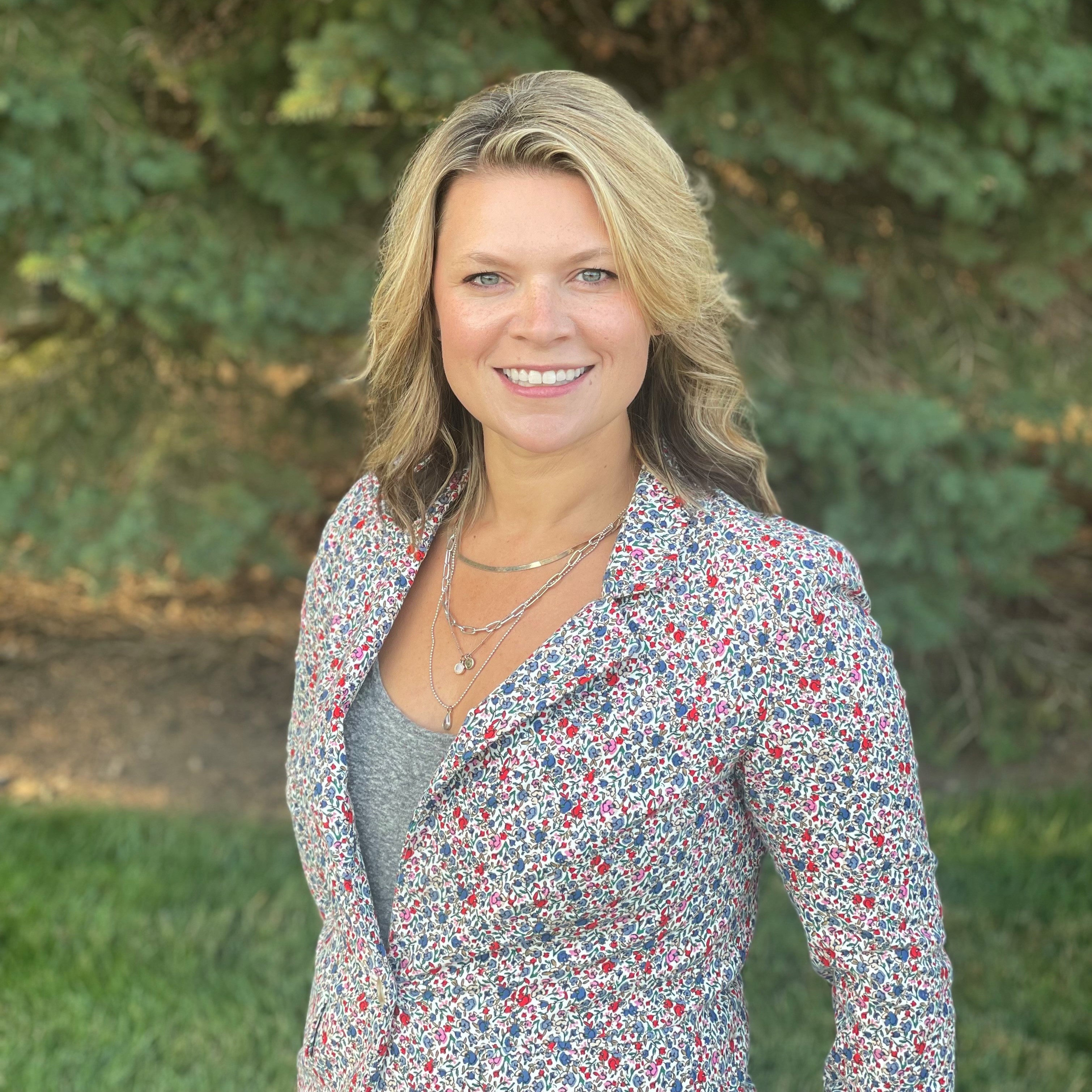
[00:00:16] Speaker B: Two for the price of one. We're talking to the Emilys, our vice president of marketing, Emily Kitko, and the owner of ledbetter Marketing, Emily Ledbetter.
[00:00:28] Speaker D: Calling all CPG shippers, truckers and logistics pros, welcome to the truck.
[00:00:33] Speaker C: Yeah. Podcast.
[00:00:34] Speaker D: Your ultimate cheat code for smarter shipping, smoother logistics, and dominating the shelf where it matters most. Buckle up. It's time to learn, laugh, and get your freight on.
[00:00:47] Speaker B: Ladies and gentlemen, welcome back to another edition of the Zipline Logistics podcast. My name is Jesse Jewitt. Joined with me as always, Teddy Lee Knox.
Good morning, Teddy.
[00:00:58] Speaker E: Hello. How are you?
[00:00:59] Speaker B: Wonderful, wonderful, wonderful. We got another fabulous lineup of guests.
[00:01:05] Speaker E: Yeah, we do.
[00:01:05] Speaker B: Two for the price of one. We're talking to the Emily's. Our vice president of marketing, Emily Kitko. Hello, Emily.
[00:01:12] Speaker A: Hi.
[00:01:13] Speaker B: And the owner of Ledbetter Marketing, Emily Ledbetter. Hello. 2nd Emily.
[00:01:20] Speaker C: What's up, guys? Let's go.
[00:01:22] Speaker B: We are talking about chaos to clarity, how content helps CPG sh. Shippers win in retail logistics. We got a couple of experts. Obviously both Emily's talking content creators, marketing, reaching out and touching potential CPG shippers in a. In a very professional way. But what we want to do is talk about the Emily's and how they came to be here at Zipline. Emily Kitco, you've been here for six plus years, is that correct?
[00:01:52] Speaker A: Yeah, I'll be seven in May.
[00:01:54] Speaker B: Oh, my goodness. Seven years. 2019 start. What were you doing? Were you in marketing for a logistics company prior?
[00:02:03] Speaker A: I was not in logistics prior I was in financial services, insurance and packaging for brands. That one was closely related to logistics where we had software that helped brands stand out on the shelf.
But it was also packaging, it was labeling, it was printing, it was a global, global company and I traveled all over the world. It was a great opportunity that I had there. But yeah, I've always been in marketing.
Loved email marketing.
That was my favorite. I love to problem solve and I don't know why someone opened or clicked an email, but I can guess and I can test to figure out why. And then I kind of leaned more into sales enablement when I came to Zipline, you know, my first role was deciding our CRM HubSpot or Salesforce and creating the sales process and lead generation process here at Zipline.
[00:03:01] Speaker B: Well, you've been a part of some exponential growth, so kudos on you. You're a big part of that.
[00:03:07] Speaker A: Thank you.
[00:03:08] Speaker B: And you also brought on our second Emily.
[00:03:11] Speaker C: Emily.
[00:03:11] Speaker B: Emily Ledbetter, you've since transitioned. Let's talk about your time at Zipline and then transitioning into your own gig.
[00:03:18] Speaker C: Yeah, so Kitco poached me my previous position. So pre Zipline, I was very, very corporate, corporate, retail, doing social media marketing and some website stuff. And Kitco found me on LinkedIn, reached out and was like, hey, come work with me at Zipline. And I definitely did that. And it's been such a ride.
Almost three years at Zipline internally and then about this time last year transitioned to ledbetter Marketing and brought Zipline on as my first client. And we're still at it and having fun.
[00:03:55] Speaker B: We're still at it. Grinding out on the socials.
I don't know what technical generation you are. Are you Gen Z then?
[00:04:02] Speaker C: Yeah, unfortunately, I don't really like to identify with Gen Z. I like pretend that I'm a millennial. They feel more like me. You know, I'm.
[00:04:10] Speaker B: Yeah, I'm a millennial. Well, I'm on the Cusper Millennial 1982. Shout out to what I want to talk about. Always a good. There's those. Emily laughs I like, like getting those. Teddy.
What I think is really exciting to talk about with both of you, they're certainly experts in this field. Right. Is the why behind our content. Right. It's. It makes sense.
[00:04:32] Speaker A: Right.
[00:04:32] Speaker B: We want to promote our brand. That's kind of marketing one on one. But like what do most three BLs do in the, in the, in the content world? I'll start with Kitko.
[00:04:42] Speaker A: A lot of our competitors are talking about broader topics and not so much educational topics. And where we leaned into was more the educational route to train brands on how to be successful in retailers. Where if you look at again like our competitors are more like a lot more white papers, dense white papers, where ours are easier to consume, short form blogs, videos, those types of things. Emily, what do you think?
[00:05:15] Speaker C: Yeah, I would agree with that and I would just add that like when you look at a lot of competitor content, it's usually just kind of traditional marketing that is sales led rather than buyer led. And we really focus on our customers pain points and create our content around that. You know, we kind of get in the weeds with the CPG customer, think about what their day to day pain points are not just with logistics but into the retailer into trying to scale and grow their business. And I really think that's what separates us is we identify with them and help them where they're at rather than just trying to sell to them.
[00:05:51] Speaker B: That's a great call out.
[00:05:52] Speaker E: One thing I love about our content is that I get to send my thoughts. I will send jumbled sentences and this is a problem and this is great or this was a win. And you both find a way to turn it into something that can help educate both in the office and externally. And it's not just to the buyer or the shipper, but also the entire network, which is something that we consistently talk about with all of our customers and prospects is the network is extremely important. That includes us, our carriers, shippers, receivers, them, and then a little bit going into consumer habits.
And it's really nice to be able to put some things out there of like, hey, Costco, it has a lot of problems if you are not on time or if there's leaning or if there's shifts and I say a bunch of random words and then you're able to turn it into something that helps us continue our education within the office, but then also with our customers and follow through on our mission statement.
[00:06:53] Speaker C: Yeah, thanks, Teddy. We love getting those requests because it makes our job easy if you're helping us know what to talk about and what our customers are dealing with.
[00:07:00] Speaker E: So, I mean, sometimes, but I know there's a lot of times where I, I and other people will send a lot of details and you're like, all right, rein it in here. Please explain to me what you, what your goal is with this.
[00:07:13] Speaker A: Yeah, I think that's really important with content too is not everyone knows the internal acronyms that a company uses. And so you have to really spell it out in its simplest form of what you're trying to get across.
And from a marketing standpoint, it's essentially us saying the same thing 365 different ways, but in a very clear, simple way. No one wants to understand all these buzzwords or understand what you're trying. Just be frank, in short, to the point. And that's where the challenge comes in when creating content.
[00:07:46] Speaker C: Amen.
[00:07:47] Speaker B: How about some gaps in logistics content, but kind of frame it in the world of CPG brands in particular, do you, do you see any gaps or any. I don't want to reveal all of our secrets, but what are the gaps right now and what are we. How are we planning on filling those?
[00:08:02] Speaker A: You know what gets me is we work with CPG brands and CPG brands are B2C. So business to consumer. And they like poppy. They wear pink jumpsuits to trade shows.
[00:08:15] Speaker B: Yeah.
[00:08:15] Speaker A: And they have, you know, dude wipes, has a toilet at a trade show. Like they can be, they can be whatever they want and it can be really, really fun for them. And then we work with cpg, but we are held to a different standard. It's hard to be fun when you're B2B. Business to business as opposed to boomer. And so I, I think the gap is just the level of fun.
Unfortunately our, you know, with being, being B2B we have to target our decision makers and who we're trying to hit and who our buyers are. And so we're, our marketing is trying to hit those people that we've identified.
But taking big risks like that. It's harder on B2B. There's just not as much engagement on social as B2C.
It's just not as fun. But we try to put in fun where we can. And I'll say that bringing Emlet onto the team as a writer, she changed our voice as a brand to be way more fun and engaging and more relatable.
And we don't have to be stuffy. We can be fun and relatable in a professional way. To do B2B. To do B2B.
[00:09:23] Speaker B: Excuse me. It's funny that you said that because I was thinking in my head that you know, Zipline is a very young company, right. We're only 19 years old in this June and a lot of the brands, right, we call them emerging brands or etc. Etc. Those are the people that we're, we're targeting, right? Those are young companies as well. And typically, I don't want to broad stroke it here, but young people or young companies do have more fun, right? Like there's a lot more on the line for Coke or Pepsi than there is for like you mentioned poppy or dude rapes white. Like I'm not seeing a lot of brawny ads that talk about fun stuff for lack of a better term. So our voice has gotten or I guess has tapped into what we are as a company. We're, we're young and fun and at the end of the day it's freight. But I get it from those companies perspective that you know, the folks that are on the dock that are worried about on time, in full or MAVD adherence or trucks with the right food grade quality, you know, they're not the ones coming up with the, the Budweiser frog ads. If you will. So it's a challenge to close Gap, even though it's. It's part of the company. It's like, okay, thanks for that.
[00:10:47] Speaker A: But, you know, yeah, we gotta make Ma cool and fun and make mad.
[00:10:53] Speaker E: You are gonna have about 75 suggestions in.
[00:10:57] Speaker B: Here we go, baby.
[00:10:58] Speaker E: Tomorrow morning.
[00:11:00] Speaker B: So what does our content do to help shippers save money, better decisions, reduce headaches? How do we take the fun and we apply it to the real world?
[00:11:10] Speaker C: I can take this one. I think overall, it just gets down to going back to the educational piece, right? And really kind of holding their hand and helping explain to them the things that. To us as people who are in the logistics world, you know, we know this like the back of our hand, but a lot of the people that we're working with, they are, you know, people who are starting their own business and wearing a bunch of hats and trying to be, you know, a CPG brand and a CEO and a CFO and also a logistics professional all at the same time.
So really, we just kind of, you know, get down in the weeds. We explain things like accessorials and detention and how network inefficiencies work and just help those shippers avoid silent margin leaks, understand, you know, why these issues are happening, kind of identify gaps in their current strategy and help them to stop firefighting and get proactive and start planning instead. And I think the content just kind of reframes logistics as a whole from a cost center that's like an afterthought, typically, to more of a strategic lever that these brands can leverage to not just improve their logistics performance, but actually skyrocket their business. So again, it's just helping them kind of meet them where they're at and educate them so that they can buy smarter and.
And grow their business through logistics.
[00:12:37] Speaker E: I think that's something that has grown a lot since my time at Zipline is what we're talking about the gaps and we're talking about, you know, the content reaching individuals, is that Zipline's so fun because we become an extension of people's teams, and that's when they get to see how fun we are and individuals and hilarious, and they get to understand how funny Jesse is and that he is the ELF as well as a logistics mastermind. But the marketing has allowed us to take what we do on a personal level and expand it a little bit so people can see that fun with the education, because adults, in order for adults to go through any education or learning, it has to be extremely fun. Whereas when you're younger, you have a little bit more of an appetite to learn and capture it. And you don't have that desire as much when you're older. In most cases, like, if you are going to be learning something, it has to be something that is extremely important to you or fun or something that is an interest of you right now. You're not going to make time for it otherwise. And I think the marketing content that we have now has really helped with that. It's making the intangible service of logistics something. I think your point of the lever, it makes perfect sense. It like adds an act to it, which makes sense now. And now all of a sudden it's connected. If I pull this lever and you have an actual tangible act to something, to an intangible service, it clicks, it makes sense. And then all of a sudden, everything that we're. All the funny acronyms and the words and what we're saying finally starts making sense.
[00:14:14] Speaker C: Yeah. So well said.
[00:14:15] Speaker B: More easily digestible. Everything was more fun when you were younger, Teddy, but that's a different podcast kit. Go talk us through.
[00:14:23] Speaker E: Let's not get sad.
[00:14:24] Speaker B: Talk us through how the content gets built.
Okay, how do you. How do you come up with the ideas? Obviously, Teddy touched on it a little bit. She just sends you rants. But how does it go from a blog or a video or a guide? Like, how did you decide that process?
[00:14:38] Speaker A: Well, to be fair, I don't know why I'm on this podcast. Emily Ledbetter is the content. And I told her, I don't know why you need me, because you're the girl. You. This is yours. I just support Emily Ledbetter truly in this journey of content.
And I've just given her a platform to thrive and grow and she's taken it to where it is today. Because again, as she came to me and it's like, we need a TikTok. Like, what is TikTok? But okay, and we start doing TikToks and it was so incredibly fun. And talk about something to get your creative mind flowing. Is that kind of stuff where it was such a fun, fun time creating content with Emily Ledbetter, when we were doing videos and all these, you know, different types of form of content. But how our. How do we come through our process of content?
We have our base content, like seasonal content, like produce, you know, Christmas tree, fourth of July. We have. We look at the calendar and we make sure that the content goes out at least a month before the disruption in logistics to start warning people. We've Got safety break. You know, we have our standard content and we typically republish blogs that have performed well in the past. The ones that have performed well in the past, like I'm talking, we have a blog that's about logistics, vocabulary terms. Emily might know the name of it better, but it's like logistics vocab terms. They use that at Ohio State. It has come up in classes before. They pull up zipline logistics website and they use that blog as teaching the students at Ohio State here in logistics. So that's like a really a very popular blog that will repost but new, new content. So we'll get it from sales reps, like Teddy said. Teddy will suggest content. Sales reps will suggest content. Now we will then take their requests and say, okay, like kind of said, we get to ask additional questions. What are you going to be using this for? Who's it going to be going to. Do you already have something like this that you didn't know existed that we could put instead so we don't have to make something new.
[00:16:52] Speaker B: That's your favorite question, right?
[00:16:53] Speaker A: Yeah. This. We have a whole mline made, a whole library. You can search word all of our content, but one year, Emily, do you remember we just repackaged all of our current content into new forms of content?
[00:17:07] Speaker B: Yeah.
[00:17:07] Speaker A: So it's not about recreating the wheel every single time someone asks something. It's about just repackaging it because it's good stuff. It just maybe isn't landing now as opposed to two years ago. Or it's not what the sales need right now. So that's where we decide, okay, how can we take this blog that the sales reps want in a different way so they'll use it? Yeah, some of it's like user adoption too. Like what's going to make the sales reps use this content? To be honest, a lot of it isn't new anymore. It's just again, we have to find a new, fun, creative way to say the same things 365 different ways.
[00:17:42] Speaker B: It's like neon fashion. It was really cool in like the early 90s. Now it's coming back. You just got to figure out what's the neon fashion and for content right now.
[00:17:51] Speaker C: Right, Right.
[00:17:53] Speaker E: Fashion needs to.
[00:17:53] Speaker B: That makes sense to me. I don't. It probably didn't.
[00:17:56] Speaker C: You will not catch me in neon fashion ever.
[00:18:00] Speaker B: Like the trends, you know, you. You adjust the trend to the current trends is what I'm saying. Right. Like as you said, like our.
Our focus on our Costco rework Network. Right. And how we get that out to the masses is the Emily's group here. That's their job to try and repackage it to where we're going to always talk to our Costco Rework Network. It's one of our best attributes that we talk to about our customers, talk to our customers about and work with and, you know, turn around damaged or tipped over pallets quickly. But someone may want that in a video, someone may want that in a white paper, somebody want that in a blog post or a podcast or a podcast or a podcast, et cetera. In thinking about. So you've identified, you know, how you're picking the content, you're getting feedback from the sales team or Teddy and her rants.
Do you have a piece of content in mind that has made the biggest impact in your time here, and why do you think it made that impact?
[00:18:57] Speaker C: Yes, I love how this question is phrased, biggest impact, because I think as marketers and also to the outside world, a lot of people look at metrics like, you know, views on a video or impressions or, you know, how many eyeballs were actually on the content and think that that is what indicates impact. But these are what we call vanity metrics, and they actually don't really hold any weight besides, how many people did this get in front of? So there's a lot of, you know, feedback that we get on our end that you might not necessarily see see online or in an ROI report or, you know, a KPI report. And that's the, you know, the comments when we're at the trade shows and, you know, we created some fire bathroom ads that are hanging on the bathroom stalls, and they have all the hilarious bathroom humor. And we have people from the show stopping by our booth, like tons of people just saying, oh, my gosh, you're the bathroom people. That was hilarious. That was awesome. And, you know, all these conversations that get sparked or, you know, sometimes there's a. We've done case studies where we bring customers either on our podcast with you guys, or we interview them to create a video. And we can kind of lock in a moment of time of, wow, this is when Zipline really, really helps somebody and then not just tell that story, but tell the success story of our customer. Those are typically the types of content where we can either make a customer feel seen and share their and really just again, identify with that CPG audience, or we can make somebody laugh or, you know, we can stay top of mind with them because we showed up in a really creative way. I think those are the types of things that make an impact and really help people remember Zipline and, and not only that, but kind of build that trust with us as a brand.
[00:20:52] Speaker B: That's awesome. Talk about trust.
So one thing, one of our values is partnership and a big part of that. You mentioned trust and I think transparency. Right. And that's, that's really crucial. Crucial in logistics, you know, being very, very clear. One of our things, one of our tools that we use, Canopy, whether it's the data analytics or our summit track and trace, that's a very transparent view of what we're doing for our customers. How do you think content helps reinforce that transparency?
[00:21:23] Speaker C: We all see how AI is now transforming the way that people consume content and it's also building so much distrust, I think, generally with the public and so continuing to show up, creating authentic human content, which I think we do really, really well at Zipline, you know, and same with our customer service side, actually. Real humans interacting, being on the phone, providing that human element of service that AI could never. And then showing that in our content as well.
That is going to go so far for Zipline as a brand in the future and beyond because I think, you know, big box, three PLs, they're going to be really pushing to AI to automate their processes and I'm sure their content as well. Only time will tell. But yeah, in the AI world, the way that we're showing up is huge.
[00:22:19] Speaker E: It's a good point.
[00:22:20] Speaker A: What a great call out. Mlad, have you seen the new things on LinkedIn from like girls in marketing that says justice for em dashes?
[00:22:28] Speaker C: Yes,
[00:22:32] Speaker A: dashes are being AI and that's how people are identifying AI. But em dashes have been used long before AI, just not as. As frequently.
Also, we, we didn't bring this up and led. When every person that I've hired on the marketing team at Zipline, the question that I give them, and I'm interested to see if you remember the question, the question that I asked all the teams that I've hired is what's your opinion on the Oxford comma?
[00:23:02] Speaker C: Oh, I remember this and I answered it well because I actually remembered what it was.
[00:23:07] Speaker A: You guys know what the Oxford comma is?
[00:23:09] Speaker B: The song from Vampire Weekend?
[00:23:11] Speaker A: No. It's a great term. So when you're, when you're listening things, you put the comma before or so I had a bacon, eggs and toast. So the comma goes before the. And it's starting. People are starting to remove the Oxford comma from sentences.
So When I. Again, like, I'm even talking about someone who wasn't going to be writing, I was like, what's your opinion on the Oxford comma? Because I'm going to have to know this if you're going to be on the marketing team like we are. We stand with the Oxford comma. And now I'm going to have stand with the M Dash, too. So.
[00:23:43] Speaker B: So it's not bacon, eggs, and toast. It's bacon, eggs, and toast.
[00:23:47] Speaker A: Yeah. Comma and toast. Yeah, because it would be bacon, eggs, and toast. So you're saying that the eggs and the toaster, like, together.
[00:23:55] Speaker B: Right.
[00:23:55] Speaker A: Separate. Right? Yeah. That's the comma.
[00:23:58] Speaker B: That just blew my mind.
[00:23:59] Speaker A: You're welcome.
[00:23:59] Speaker E: So what is the stance? What.
[00:24:01] Speaker B: What do we stand with it?
[00:24:03] Speaker E: Okay, we stand with it. We like it.
[00:24:04] Speaker B: Okay, Good separator. It's a good separator. All right, here's a good one to end on, folks. The most fun, or I think both of you kind of touched on it already, but we're going to give you a blank reaction real quick because I know. I think some of us have to leave. But what's the most fun or memorable project you've worked on in your time at Zipline Kitko? We're going to start with you.
[00:24:24] Speaker A: It's obviously the bathroom ads. When I got the opportunity to sponsor Expo east and west with bathroom ads, I was like, this is not going to go well.
I don't know how. How we're going to do this. Totally leaned into the bathroom humor, and it's been by far the favor. My most favorite thing to work on. I look forward to it. There's so much creative, so much of a creative outlet, the bathroom ads, because it can be fun and daring and bold and exciting and all the things that we shy away from in our traditional marketing verticals. And I assume M Lead feels the same.
[00:24:57] Speaker C: Yeah, I couldn't have said it better.
[00:24:59] Speaker B: That's your most fun, memorable project. Mled, too.
[00:25:02] Speaker A: Yeah.
[00:25:03] Speaker C: I would say bathroom ads, like, the meetings, brainstorming those bathroom ads, like, the amount of laughter, and it really just kind of like, sparks you and excites you when it feels like, okay, nothing's off the table, we can go crazy. And we've definitely had a lot of ideas shot down, for sure.
[00:25:20] Speaker A: Yeah.
[00:25:21] Speaker C: But.
But it's just. It kind of reignites that spark. So definitely the bathroom ads. And then I just. My favorite part of my job is creating videos. And we know video is king, especially in 2026.
So being able to kind of bring that video element to zipline something that they weren't really doing prior has just been really cool to kind of, you know, bring that marketing up to a new level.
[00:25:47] Speaker B: That's awesome.
That ends our time here talking about marketing with the Emily's. Emily Ledbetter. How can folks get in touch with you?
[00:25:56] Speaker C: Yeah, you can go to ledbettermarketing.com or give us a follow at ledbettermarketing. We're on most social media platforms and yeah, that about sums it up.
[00:26:06] Speaker B: Kitko, how about you? How can, how can folks get in touch with you?
[00:26:10] Speaker A: You can't.
[00:26:14] Speaker B: You're not on socials. That's by choice. Good for you. But you can always call zipline and go to the website.
[00:26:20] Speaker A: Follow that on Zipline, Zipline pages, that's for sure.
[00:26:24] Speaker B: Absolutely. Folks, listeners, leave a five star review on Spotify or Apple. Give us a comment out there. We'd love to hear any, any interest, any content that you're looking for. You can always check us out. Www.ziplinelogistics.com 888go zipline. Give us a call.
Teddy the Emily's our listeners, thank you again for joining us on another episode of the Zipline Logistics Podcast. We will see you next time.