Episode Transcript
[00:00:04] Speaker A: You're listening to the Zipline Logistics Truck yeah Podcast where we explore all kinds of hot topics in the logistics industry.
Get ready to learn, laugh and get your brain on.
Ladies and gentlemen, good morning.
Welcome back to another edition of the Zipline Logistics Truck yeah. Podcast. My name is Jesse Jewett, a special co host. With me today, our president of Zipline Logistics, Andrew Lynch. Andrew, good morning.
[00:00:37] Speaker B: Good morning. Great to be here.
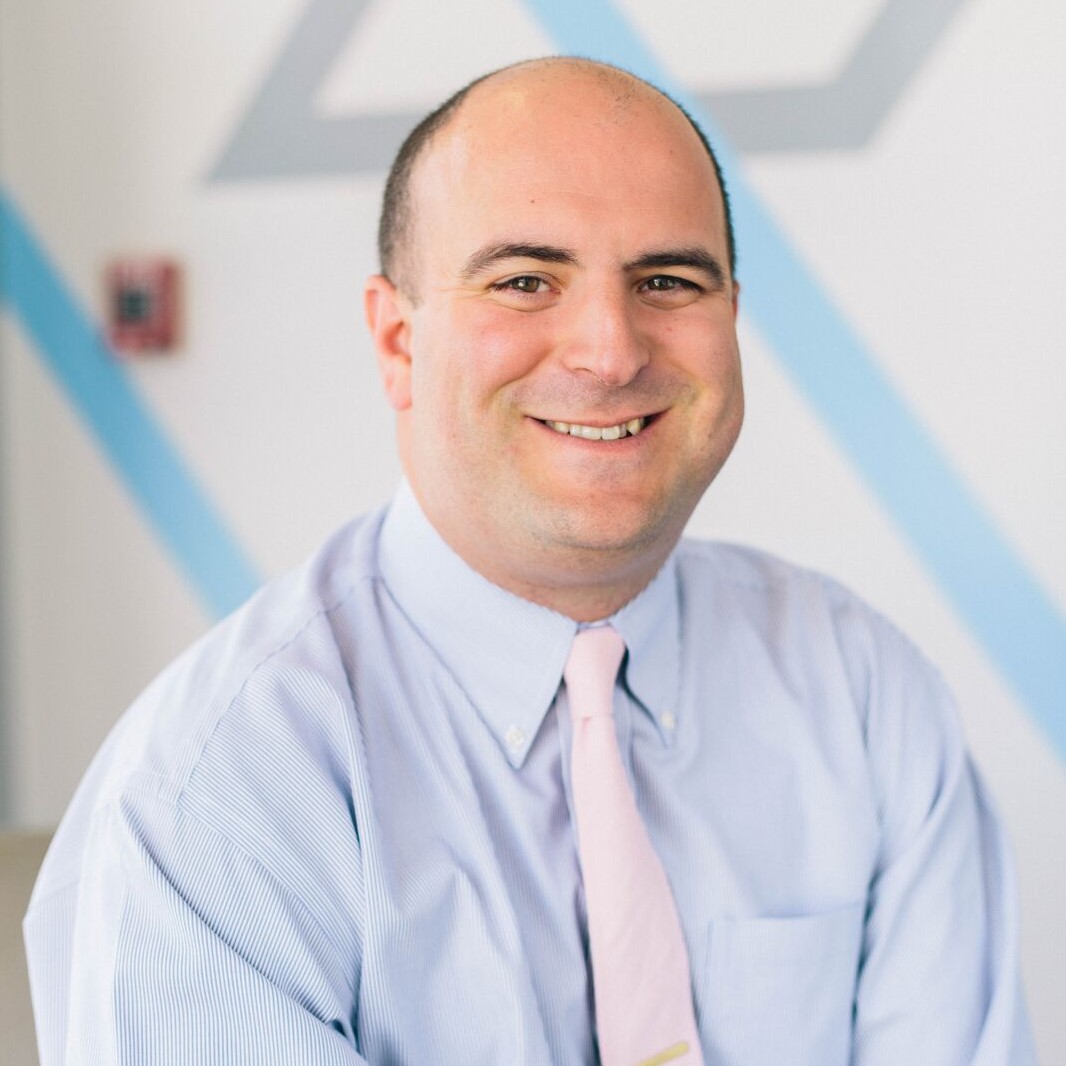
[00:00:39] Speaker A: As always, thanks for joining us. We got a an awesome special guest, Cody, the VP of Operations and services at CD Capital, Cody Berenson. Cody, good morning.
[00:00:52] Speaker C: Good morning guys. Thanks for having me on.
[00:00:54] Speaker A: Where are you coming to us from? Where are you located?
[00:00:58] Speaker C: I am sitting in my office in Denver, Colorado and beautiful. Today it is going to be 92 though, so it's, it's getting a little hot. Summer temps Denver.
[00:01:07] Speaker A: Gorgeous. Gorgeous.
Tell us a little bit about CD Capital, what you do and what, what they do in general.
[00:01:15] Speaker C: Yeah. So Citicapital has been around Citi as a whole has been around for about 8 to 10 years. Started as an ops consulting firm and about 36 months ago transitioned to being an operationally focused growth equity firm. It sounds like a mouthful. I think to keep it really simple for the audience we invest in food and beverage brands, food tech and all CPG categories. I think the big differentiator of Citi is we have take a really hands on approach with our investments. We work alongside founders, executive teams and department leaders to de risk their businesses, create scale, solve complex operating problems and ultimately you know, the goal with our partnership with these brands is to become best in class businesses in their categories. And we pride ourselves on you know, being a really good investor and partner.
[00:02:06] Speaker B: Cody, for all the brands that listen to the truck. Yeah pod which we know are in the, in the dozens and this abundant, abundant amount.
What, what is the, the general sort of revenue size? What's, you know, what is, what is the market that you, you play Financial perspective.
[00:02:23] Speaker C: Great question. It really, it really depends and we work with a lot of brands, different sizes.
I would say kind of our general target for writing kind of standard larger size checks on our end is 10 plus million dollars in revenue. And our kind of portfolio ranges from really early stage, kind of stout level, maybe a couple million dollars a year in revenue all the way up to brands that are 100, $200 million in revenue. And the way we work with them and engage with them obviously differs a lot depending on their size and what they need from a partnership and operating standpoint.
[00:02:59] Speaker A: Your work with cd, that's how you came to work with Zipline, correct?
[00:03:03] Speaker C: Yeah, exactly. I've known Andrew and JJ and the Zipline team for a while. Previously I was actually the head of supply chain at Watermelon Water.
For those of you that have not had it, it is a cold press, short shelf life, watermelon juice that needs to be constantly refrigerated. So when we got involved there, the business was growing rapidly. Chris Paul was an investor, Beyonce is an investor, and the brand still lives on today.
But Zipline was fundamental and crucial in helping us solve some of the really, really challenging logistical problems we had of one, delivering to customers on time and then also ultimately pulling as much cost out of the business. So we set up a really awesome consolidation model and different pick points to navigate a complex business.
[00:03:49] Speaker A: That's awesome. Yeah, I remember those days. A big tagline here is that like, no, no day is the same in the world of logistics. And our work with Watermelon Water definitely hit that nail on the head every, sometimes every hour. So hour is the same.
You came in and you're solving complex refrigerated problems. But it was exciting. It was exciting. You know, it's always fun to watch a brand and partner with a brand as they grow from, you know, 20 LTL shipments a month into 250 truckloads, consolidations across the new retailers, etc. So it was a really, really fun dynamic time in our growth strategy. Speaking of Which, Andrew, happy 17 year anniversary of zipline as of four days ago.
[00:04:38] Speaker C: Whoa. Congrats.
Wow.
[00:04:39] Speaker A: Yeah, thanks. Very exciting.
[00:04:41] Speaker B: Didn't really, didn't really register for me either.
[00:04:43] Speaker A: I only know that not to toot my own horn, it was my 12 year anniversary four days ago. I started on the five year anniversary party which we're not going to talk about. That is a separate podcast, maybe, maybe an internal, internal like special subscription service version. But back to our topic. So we're talking about how to adjust your business growth strategy to match market dynamics.
Obviously we've gone through a five year period here, very changing market dynamics as far as transportation is concerned and I guess lending and monetary financial.
Cody, you're an expert. Let's talk about the CPG landscape in general. What are CPG brands up against right now?
[00:05:28] Speaker C: Well, it's a, it's a juicy topic. Yeah, I would, I would lead off by saying I think that as you guys have hit on, on previous pods and keep so top of mind for the audience is that, you know, for so long the biggest thing that all brands are looking for is kind of a Growth at all cost model, top line revenue. And that led to heavy cash burn, inefficient operations and back ends that really couldn't keep up with the scale. And that's what was being rewarded either by exit or future investment.
I think the huge shift that we've experienced the last year or two is that the next check is not easily available or sometimes available at all.
So the growth at all cost model and burning cash every month, every year at a high rate is leading to a lot of brands being put in a really tough spot. So in order to combat that, the focus has shift toward profitability and lower cash burn and more slower scaled, controlled fundamentals on the back end, which obviously has a lot to do with operations, supply chain logistics, procurement.
So it's been a real pivot, I think for the industry and things that I think historically have not been sexy ops, supply chain logistics, all the things that we're all passionate about are now kind of at the forefront of what ultimately is going to make and allow for businesses to continue on and ultimately scale and exit.
But it's a huge paradigm shift.
[00:06:55] Speaker B: Cody, how well understood do you think what you just laid out is across the broader CPG community? Like do, do you feel like there's been a, an awareness shift or do you still feel like there are folks that are operating under the impression that scale at all costs is the path?
[00:07:14] Speaker C: Andrew, My personal opinion is like in the last six to 12 months, it's really hit people over the head. So I think everyone at this point kind of understands what that means to some degree. I would say there is still a pretty big breakdown on a lot of brands. Right. In terms of how to navigate that and what to do. Yeah, so many founders, especially early stage, they don't understand logistics to the level that you guys do or that Citi can help de risk your supply chain or operations.
So I think it's really important that you know from a talent standpoint you're partnering folks, whether it's Citi or Zipline or someone else that can help you navigate those things because that's what's going to allow you to be more efficient and have better margins in the market. So I think people get it, but I don't know many folks know what to do about it.
[00:08:02] Speaker B: Yeah, that's a, that's actually a great answer. It's funny, you know, we like, we have this thing where we talk about being a CPG company that, that happens to specialize in logistics. Right. So like, you know, we don't try to position ourselves as just another freight company and we don't appear at all the freight conferences and future of freight nonsense. We, you know, we show up at CPG shows, we show up where our clients are and it's hard to feel like an insider in the CPG world. I think you, you know, you probably know as well as anybody it's a really tight community and, and you know, they don't, they don't just let anybody in. And what I think has hit me over the head so much over this period is that now that, you know, we're sort of on the, the, the buyer side of the, of the equation in logistics strategy, I'm suddenly seeing a really common theme across all of the sort of distressed assets that come our way. And they're all folks that adhered to the growth at all costs model for just a little too long, right? They, they held on for that extra six months or 12 months and suddenly they're so upside down that they can't dig out of that hole.
And the only answer is, you know, a sale that they don't want to make, which is the worst place you can possibly be in. And I think that, that, you know, that's a little bit of what exists out there in the CPG world. So like, I guess it just comes back to recognizing that, that business problems are business problems. Whether your business is, is, you know, making potato chips or cold pressed watermelon juice or it's moving potato chips and cold pressed watermelon juice into retailers.
[00:09:24] Speaker C: That's such a good point, Andrew. And I would say to get like a little bit more specific to what we're saying, I think you and I and both of our teams have probably witnessed some really challenging things that brands haven't had to deal with. Like, you know, previously, if you got into Publix, absolutely, you're going for it, right? No matter what. But I think as new customers come on or new opportunities, there's really hard decisions that need to be made that are kind of contrary to what you think you should do. Like, how much is it going to cost you to fulfill your orders to Publix? If you're manufacturing in California, it's probably not profitable, right? So there's all these things that high level, it's kind of like the cherry on top. But when you dig into it and you start looking at it, you know, it can be kind of the dagger in your back for your business and lead to some of the symptoms that you're talking about where you don't really have an option or it's not profitable and it depletes and depletes your Runway.
[00:10:20] Speaker B: I'm blowing Jesse's agenda out of the water.
[00:10:23] Speaker A: I love it. I, I question. Ready? Queued up.
[00:10:25] Speaker B: So what, what you know, in that exact example, right. Because I think it's, it's a great one and it's such a mindset shift what you just said for brands of like, with the general thesis being like, there now is a great time to say no. And so when it comes to Citi and when it comes to the advice that you give to your brands, you know, when someone who manufactures in, you know, Northern California comes to you and says, hey, I got a crack at Publix and they're going to take me into 1200 doors, obviously you know that the answer to that is no, don't do it. But what is the alternative growth path that you lay out in front of them instead of, Instead of that?
[00:11:01] Speaker C: Yeah, I mean, I think with these opportunities, there's a lot of ways to work around, especially from an operating standpoint. So I think first thing we're really looking at is how can we evaluate the opportunity and really get down to where we need to be for it to make sense. That could lead to a project or a work stream, like, hey, we need to find a co manufacturer in the middle of the country or the east coast that might allow it all to make sense and then you can pursue it. So I think there's a lot of pivots we could make either bringing on partners like Zipline, or maybe we can get really creative about how we're going to fulfill orders or set up a warehouse, you know, on the east coast or in Florida even, where we can ship truckloads of product in and then, you know, fulfill from there. So you're not filling each order in each pallet across the country. So I, I think it's, it's not immediately a no. I think it's, let's try to get workarounds and if it ends up being a no, you know, pushback. And how can we manage buyers, customers to kind of navigate, hey, we'll be ready in six months to do this. But I think even outside of that example, Andrew, like on the direct to consumer side, like during COVID D2C was where it was at. Right. We've seen so many success stories and like, that is not generally a very profitable channel at this point due to things with Facebook ads, increases in small parcel shipping. So you may have a thriving D2C businesses is 10, 20 $30 million a year, but it might burn cash every month. And how do you manage through that?
[00:12:24] Speaker B: Yeah, yeah, no, it makes a ton of sense. You know, it's almost, you know, you're kind of, you're expanding the math, right. It's, it's not just hey, yes, this is a, this is a sale that, that generates revenue. It's hey, this is an entirely new line of consideration for us to take. Whether it's setting up new manufacturing, new distribution, you know, being more creative about how we distribute. Before we answer yes to this, this question on public so makes a lot of sense to me.
[00:12:48] Speaker A: I like that. It's not a no, it's a not right now for the listeners out there. Publix, a southeast retailer, I just looked it up the most. The northernmost location is in Virginia.
So if you're servicing that from, from California. Yeah. Your costs are going to be high. Imagine the costs from 2020 until 2020, April 2022. I mean $12,550,000 of a truckload dry, probably maybe more than that.
So yes, you need to get creative with your strategy to which makes sense, right? Probably get in a room with five people that are working on your brand and saying who are the top five retailers out there? Right. Costco, Walmart, Sam's Club, Unfi. Publix is on there. Great. Let's see if we can get in Publix. And then boom. That's your first hit.
[00:13:36] Speaker B: Well, oh yeah. You got a lot of work to do.
[00:13:39] Speaker A: Yeah.
[00:13:39] Speaker B: And you know, also just you know, kind of tackling the public specific thing from a logistics standpoint just because it's a great example. Also they tend to order in relatively small quantities. They tend to have a challenging receiving hours. They're not in the easiest places. So you really do have to have a solution based mindset before you even show up to the sales process.
Because if the answer is yes, it's a, it's a real issue.
[00:14:04] Speaker C: Yeah.
[00:14:06] Speaker D: Are you moving high value shipments and experiencing increased theft? Well, if so, you are not alone. Cargo theft is actually at an all time high with stolen goods totaling an estimated 130 million in 2023.
The good news is that Zipline Logistics offers unique and proven processes backed by innovative technology to ensure that your high value freight is never at risk. These include an in depth carrier qualification process, 24, 7 real time cargo tracking and monitoring, response operations for law enforcement engagement, carrier security compliance reporting and time and temperature sensitive shipment management.
To learn more about our cargo theft prevention process and to see what we can do for your brand. Give us a call at 888. Go zipline or click the link in the show notes. Now let's get back to the episode.
[00:15:00] Speaker A: So we're gonna get back on, on track here. So we talked about kind of the, the general idea of the old way of operating growth at all costs is now outdated.
Let's talk about some of the things that we certainly prioritized. I assume these align with some of the things that Cody is mentioning to his clients on time in full. Let's kind of discuss those specifically.
[00:15:25] Speaker B: You know, right back to Cody's point on, you know, the importance of, of profitability and sustainable profitability. You know, the, I think the, the growth at all costs mindset a lot of times ignored how much gross margin leakage happens, you know, inside of the, the supply chain and, and especially on the freight outside, which is, which is, you know, where Zipline uses to spend.
Know the difference between, let's just take the $10 million, you know, city sweet spot example, you know, $10 million in revenue. The difference between being 98% on time in full and you know, 77% on time and full, which is the industry average. The actual industry average reported by retailers is, you know, $800,000 in gross margin. Right. So, and that's assuming that you have a, that's assuming that you have a, you know, a, a, a healthy CPG margin being somewhere around, you know, 30, 35%. There are brands that are walking right past that $800,000 in our experience, to go chase down, you know, saving 25, you know, 50, a hundred dollars, you know, on, on truckload shipping, you know, by behaving in manners that, you know, sort of try to commoditize aspects, really, really critical aspects of their business. And you know, otif is, is such an incredible kind of microcosm of that. And you know, you start to see retailers now that are focusing on improving their supplier relationships. Right? Like hey, it's, you know, it's, this isn't just about, and I guess, you know, this goes back to kind of what our message has always been about. This, this isn't about retailers doing like a cash grab.
You know, Kahe doesn't want necessarily to be fining their, their, their suppliers all the time. What they want is the supplier's product to be in their DCs on time so that they can have it on store shelves on time so that they can meet their KPIs to their customers, which are retailers.
[00:17:11] Speaker C: Yeah, I, I think too, for me, just to Add on to what Andrew said, which was super insightful, just whether it's OTIP or any of the other shipping metrics where you're trying to just save money and kind of, to Andrew's point, commoditize, I think all these chargebacks and poor service, they hit you after the fact. So it's one of those things with brands where it's not necessarily something that you see in the moment and like, oh, you know, we got this, you know, one pallet shipment for 250 versus, you know, going with our standard partner for 350 or 325. And that may sound great on that first invoice, but what about the udrs you get from KHI for being late or miss shipping or a pallet breaking or, you know, lumber fees or sort and seg fees? So I just, I think high level, working with a really strategic partner that understands your business and has a track record of running your business instead of kind of bidding it out one by one, just ultimately in the big picture is such a better financial choice. Although there are opportunities, right, to go with carriers day in and day out that, you know, maybe 50, 100 bucks cheaper. But I think ultimately it's a losing equation and hurts your relationships with your customers.
[00:18:20] Speaker B: Yeah, absolutely. It's a lot of work to save, you know, very, very, very little when all things are considered money. And I would imagine, Cody, that at Citi, that's, that's another, you know, probably area where you guys are breaking down walls, right? Because so much of, of this issue, this behavioral issue at brands comes down to that point that you made, that these fines come in later and they show up, you know, they show up to the finance department, right? And there's somebody in finance that's like, God, these fines are out of control.
However, no one's drawing a straight line in finance to, you know, the, the shipping clerk who made the decision to go save 50 bucks.
[00:18:57] Speaker A: Right.
[00:18:57] Speaker B: And they're, they're not, they're not able to draw that line of, hey, I've got a, you know, $1200 in charges here that, that I could draw a straight line to someone trying to save 50 bucks on.
And, you know, how do we correct.
[00:19:08] Speaker C: Absolutely.
[00:19:09] Speaker B: Yeah. And, and you know, is that a place where, where Citi, I'm assuming, kind of shows up and, and, and is taking maybe a higher level look?
[00:19:16] Speaker C: Absolutely. I mean, I think our approach in general, working with brands and then the projects we work on, whether it's comands, three pl partners, warehouses, suppliers, you name it, it's all about partnership.
I don't think there's a quick way to hack the system. I've been a logistics manager where I worked for a company where I bid out every single delivered order. I learned a lot. Really tough, 18 months, really tiring.
But yeah, I mean we, when we work with brands like we won't do that work.
So that's why we really value partnerships with Zipline and others where we can, you know, build a relationship, get them to know the business.
And ultimately yeah, we don't, we don't see an advantage or a use of like labor or time to spend someone all day just you know, trying to find the cheapest rate possible because you're not going to get anywhere with that. So I think leaning in to partners and paying a premium for a great partner and a great service ultimately is going to help you save the most money in the end.
[00:20:13] Speaker A: Do you feel like Cody, you're able to build those relationships as well with retail partners? So for example, let's just say use Publix, they order small quantities, right? So, and they have mabd dates, et cetera. But if you say like, hey, if you're only going to order two to four pallets and you expect us to deliver on Tuesdays, you know, we're trying to optimize our logistics or have a strategy that we want to go into this particular retailer on Tuesdays but deliver to you by Thursdays on the same truck. We'll hit that Thursday 98 of the time. Can you help with us? So like being transparent and trying to develop a relationship with, with your actual customers too. Have you, have you had any experience with that?
[00:20:57] Speaker C: Absolutely. And it's such a good point that you just made like and that's somewhere where the brand and the business needs to be really helpful to Zipline or whoever they're using for their logistics. Right? Like that's not something that Zipline can handle. That's something that's on the brand to set up the right moqs, set up the right order lead time, set up expectations that work for the brand and if the brand isn't set up for that work to get to a place where it makes sense for your business and it makes sense for them just kind of setting it up and having it not work and try to do the same thing over and over and then getting mad at your trucking company or whoever, I mean this is just not fair. Right. You have to take responsibility and that, you know, it's a cross functional exercise between the ops team, sales Team managing buyers. Right. But I think in general, if you're transparent and honest and you work with, you know, if I owned a brand, I'm working with you guys, right? What can we do? What makes sense financially?
How much time do we need? How can we increase orders so you know, our cost per case is lower. Right. And then go to the customer, the plan, they love that stuff, right? Like they want to see you succeed. If you succeed, they succeed, right?
[00:22:05] Speaker A: Yeah, you get the product.
Right. That's, that's, that's the best part of it. I always talk, kind of talk about like left brain and right brain. I don't know which one is the creative side, but that's the type of stuff that gets my juices flowing. In the world of logistics, you can be creative, you can use your artistic mind a little bit. Yes, there are processes or things that you need to follow to execute. But when you talk about coming up with a unique solution to deliver a product as opposed to our strategy is find the cheapest option. Well, the only way I know how to do that is to get three quotes, compare them all and select the lowest. Well, that's not very creative. That's, that's just like kind of executing. That's, that's boring.
Tell me that you can find a partner that's going to, you know, pick up these three, deliver this one on this day and this one on this day. As long as we can get buy in from that partner to deliver two days later or shift an M A, B D MA B date out consistently. Now we have a solution. Now we're, you know, kind of cooking with fire. I think that's very, very exciting and one of the most rewarding parts of the job.
[00:23:10] Speaker B: I'll say too. I mean this a huge part of our managed trans sales process, right. Is talking about that optimization is not, you know, look, cost comes down almost all the time to buy side carrier selection, not carrier availability, carrier selection. Meaning, you know, did we choose to buy the cheapest truck on this or do we choose to try the best truck, you know, the right truck. And if, you know, when it comes to controlling your costs and setting up something sustainable and long term, that's where the, the strategy and the, you know, the creativity comes into play. And you know, we talk to growing brands but even you know, a lot of times really scaled out brands and walk them through some of the massive cost impacts that we've been able to make by shifting, you know, mid range shipments from having Monday due dates to having Wednesday due dates or you know, Friday due dates. And it sounds so basic and, and, and simple, but it's something that people don't generally do, maybe partly because they're afraid that, that, that customer's not gonna be, you know, well received. Although I've never seen that. I've never seen a retailer say no when it means that you're gonna get your product on the shelf, you know, more consistently, or it's that, you know, they just, it feels like a big project and they don't have time for it. And I think that's another place where again, I see, you know, so much alignment on the value proposition for Citi and Zipline, like, you know, separately, but with very similar value props, which is, look, there are areas within the operation of your business that, that the, the best solutions are not the easiest ones to come by. And we're in a position as someone who can sit high above what you're doing and make, you know, observations and, and, you know, tactical decisions and strategic decisions in a way that you're not right. And, and that's different from just being a vendor.
[00:24:59] Speaker C: Right.
[00:25:00] Speaker B: You can go hire a CPA and
[00:25:01] Speaker C: you can go 100, you know.
[00:25:03] Speaker B: Yeah, some, you know, some guy to run your warehouse, but when you've got, you know, someone who's really sitting high level, you've got, you know, the opportunity to make meaningful change.
[00:25:11] Speaker C: Can I throw one thing at you guys that I've been thinking about that just popped into my mind?
[00:25:16] Speaker A: Absolutely.
[00:25:17] Speaker C: A lot of brands, I think historically been set up as FOB or pickup by customer mainly. And I see it a lot with KHI especially, but I think Taehy's really struggled with this and I'm seeing a lot of brands and a lot of questions around like, should we switch to delivered? What does that take? You know, how do you kind of math all that out?
I, I know Andrew probably has an opinion on that. We've been pushing more and more folks to delivered. If you, like, do it the right way. If you're not capable of doing the right way, you know, maybe sometimes having FOB is the move. So I don't know, I just wanted to throw that out there. Andrew, I'm honestly curious what your take is with all that and given some of the dysfunction with that and it being such like a pivotal piece for so many brands right now.
[00:26:02] Speaker B: Yeah, I mean, I don't know if you already knew this, Cody, but I'm passionate about this subject.
[00:26:07] Speaker A: Yeah, I.
[00:26:08] Speaker B: Look, the, the delivered model is superior than the customer pickup model in, in every single way almost always including transactional costs by the way. Right. I mean it's, it, you know, KE and Unfi who are I think kind of the, the biggest pushers of this and, and I'm not going to like comment on their motivation for it but you know they're, they're not typically buying capacity much cheaper than anybody else in the third party marketplaces.
And the amount of control, the amount of visibility that you lose when you cede control of shipping.
[00:26:40] Speaker C: Right.
[00:26:40] Speaker B: I mean so many, especially in the, in the small to mid sized marketplaces where you and I play, you know, when you see control of, of ship date, you see to some extent control of your inventory costs, you see to some extent control of your manufacturing timelines and that affects your raw materials intake. So like it's, it's more than just the decision of I don't feel like being the person that procures the trucks for, for this retailer. It like the impacts are massive upstream in your supply chain. And the wild part to me, and you know, I get how people make these decisions but at the end of the day that's really the only work you're taking off your plate is selecting which trucking company comes and picks up your freight. Otherwise you haven't really removed a lot of work from your team, but you've removed an awful lot of control and visibility. And so we, it's a great point.
[00:27:28] Speaker C: I mean we, we, I second that. Yeah.
[00:27:31] Speaker B: I mean we push and beg our, our brand partners, current and new to reevaluate that decision. We'll work out for them what the transportation costs look like. Right. We don't have, we don't always have visibility into the, the upstream costs that might, you know, come along with those decisions, especially when it comes to like their price per unit to the, you know, to the retailer or to the distributor. But you know what we say all the time is please don't let the workload of moving this freight or even the workload of making the change get in the way of you doing what's best for your business.
We zipline will do all the work. We, you know, we, we want this to happen because it's, you know, it, it is good for us and it's not just good for us and that it means more actual units to move. It's good for us because we can get more strategic about your, your business and look at it more holistically and take you know, more and more advantage of the opportunities that that presents.
[00:28:25] Speaker C: Nothing to add. Andrew just annihilated that home run.
[00:28:31] Speaker A: I think that's a really good spot to end, honestly. Do you have any other thoughts, Cody, that you want to share with us in general?
[00:28:38] Speaker C: I don't think so. This was a great conversation. I appreciate you guys having me on and hopefully folks learn something here and hopefully we can do it again soon.
[00:28:46] Speaker A: Absolutely. Andrew, any parting thoughts?
[00:28:49] Speaker B: No, no. I just want to make sure that we share with with brands how they can get a hold of Citi and and Cody and his team and you know, make sure that we are promoting a partner that I certainly believe a lot in.
[00:29:00] Speaker A: Absolutely. We're going to definitely put some show notes in there and while I've got you, prompt the listeners to leave a five star rating wherever they listen to their podcasts. Apple, Spotify. That's our producer Emily Ledbetter in the background. Shout out to her.
Thank you again, Cody for joining us.
Andrew, a wonderful impromptu co host.
[00:29:25] Speaker B: Thank you for having me.
[00:29:25] Speaker A: Thank Cody. Thanks everybody. See you next time on the Zipline Logistics podcast. There we go.