Episode Transcript
[00:00:00] Speaker A: This is what a logistics professional is thinking about on a daily basis. Okay?
[00:00:04] Speaker B: So, I mean, I could say I thought I knew a lot year six or seven, and now I'm year 16 and I'm like, I didn't know anything year six or seven.
[00:00:12] Speaker C: What caused you to fall in love so much that you stayed for 16 years immediately?
[00:00:17] Speaker B: A lot of these retailers also will catch you seven, nine months later.
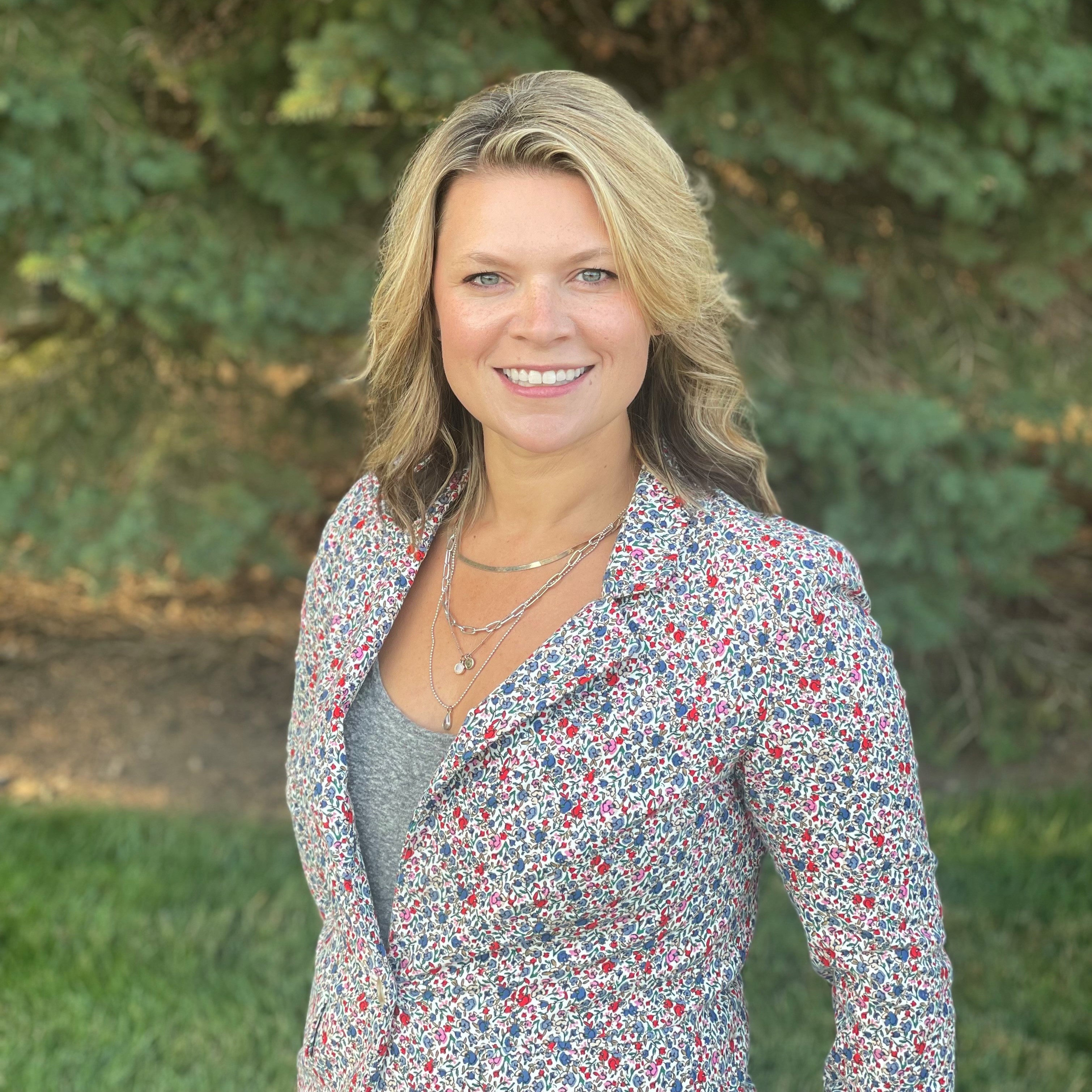
[00:00:20] Speaker A: A fellow logistician, Leo Rodriguez, the vice president of River Plate Incorporated. Hello, Leo.
[00:00:27] Speaker D: Calling all CPG shippers, truckers and logistics pros.
Welcome to the Truck yeah Podcast. Your ultimate cheat code for smarter shipping, smoother logistics, and dominating the shelf where it matters most. Buckle up. It's time to learn, laugh and get your freight on Chuck Cam.
[00:00:47] Speaker A: Ladies and gentlemen, welcome back to another edition of the Zipline Logistics podcast. My name is Jesse Jewett. Join with me Teddy Lee Knox, our director of logistics solutions. Hello, Teddy.
[00:01:00] Speaker C: Hello. How are you?
[00:01:01] Speaker A: Wonderful. We've got a special guest today, a fellow logistician, Leo Rodriguez, the vice president of River Plate Incorporated. Hello, Leo.
[00:01:11] Speaker B: Hello. Hello everyone.
[00:01:12] Speaker A: Welcome to the Truck yeah podcast. Tell us a little bit about yourself. How did you get involved in logistics and start with River Plate?
[00:01:20] Speaker B: Yeah, great. Yeah. So a little bit about myself. I've been in the industry, fulfillment, animal logistics, warehousing, dist for a good 15th going on my 16th year. It was not what my lane in life originally I was actually in school for, you know, physical therapy.
Realized this is actually a family business, you know, was scaling, growing rapidly. The business has been around for 32 years. Started freight logistics, then I went to warehousing services and then a lot of requests for kidding and quality control programs. That turned into distribution, which evolved into fulfillment, e commerce, commerce, retail distribution. But I mean, 30 years ago, or you know, 38, 28 to 30 years ago, that fulfillment part of it was a big component. But as you know, leaving college, you know, the market was slow and I saw opportunity there with as actually my mother who was seeing the business grow and needed some, you know, needed some eyes, some, you know, in every aspect of the business. I just jumped in there really at first I was like, let's, let's, let's test the waters, kind of do it as a summer job.
And that turned into. No, I actually really loved it. Loved the, just love the industry as a whole. I started in there, just actually I was throwing it to pick and pack, right, Just doing pick and packing orders.
Then went into account management.
But yeah, this 16 years later and then I actually wanted to learn more about, you know, educate myself more. So I took a bunch of courses, you know, jumped into seminar. But also the true experience of getting your hands dirty. Trial and error, of course. Right.
And yeah, here I am 16 years later behind three different facilities, Los Angeles area consolidated to one larger facility around 138,000 plus and growing warehouse. Really a true multi channel fulfillment center. 3pm offering, you know, three PL solutions, you know, across, you know, a lot of different industries or different types of commodities. Right.
[00:03:26] Speaker A: And so you're warehousing the freight there as well as performing like you said, the kit packing. So those are primarily, correct me if I'm wrong for direct to consumer humor moves.
[00:03:36] Speaker B: Yeah. So it's really. That's one of the, I guess one of the areas.
It's really the depending on the type of account or really their channel, what they're trying to, what they're trying to sell a lot of times or they're trying to bundle.
We also have to where we like, I think you know, it started really the origin was a, you know, qvc. Right. So we had complainants. There was a hair care company that had, you know, shampoos, conditioners, you know, different types of serums and depending on, you know, they would go on air. So on qvc, depending on the different combinations of those building materials, we would, you know, bring in all the components and you know, run. It's a production line. Right. So items A, B, C are now master skew D. Right. And palletize them, you know, label to their compliances. Right. Coordinate the freight ship to the QVC distribution centers. And that was really kind of the start. And then it obviously evolved to where. We're kidding. For you know, items being offered on different type of, you know, E commerce channels. So. So. Yep. And Amazon as well. Right. So. Yeah.
[00:04:46] Speaker A: Holy smokes. That's a lot of moving parts.
[00:04:48] Speaker C: That is a lot of moving parts.
[00:04:49] Speaker B: Yeah, yeah. Really got to be tight on that inventory control. Right. Making sure that, you know, a lot of it sometimes is our accounts, you know, are there the front end of that supply chain. Whether they're able to bring in, you know, they'll bring in nine different components but that 10th component is on backorder or this hung up, you know. Now also, you know, experience with like the terror situation. Right. So depending if it's like a steel product or a plastic, whatever it might be. Right. It could be, you know, extra delay. So you know, that's, you know, you, you gotta be able to be agile there and just, you know, have these conversations with the clients be strategic and then once it hits, you know, we're the last ones to touch it a lot of times before it gets out there to, you know, a distribution or to the individual or the marketplace. Right. So yeah, it's. Every component along the line is important to keep your eye on, but obviously use, you know, your, the tech that you establish and you know, workflows and sops and all that good stuff. Right. So.
[00:05:52] Speaker C: And I have to, I have to ask, I have to take a step back here. So you said physical therapy is what. Right?
Yeah, yeah, that's what I love about this industry is that there's all different like backgrounds that go into logistics and ultimately fall in love with it. What, I mean, what caused you to fall in love so much that you stayed for 16 years? Because I gotta say, I see most like, you know, like lawyer to logistics. Like sometimes that makes sense.
[00:06:23] Speaker B: Not gonna.
[00:06:23] Speaker C: Physical therapy to logistics seems like something interesting.
[00:06:28] Speaker B: Yeah. So I loved it more while I was, I mean the idea of it while I was in school and like learning about, you know, physiology, anatomy, you know, you know, all. Everything related into, you know, the, you know, the sciences. Right. Loved it. Once I actually like, after I graduated, I went in and I was like doing like PTA work and it was, I really kind of found it boring, you know, and didn't, you know, I just found it boring. And then I went into like, I literally, I honestly jumped in there part time to the company for, you know, just, just to help out, just to be extra hands and, you know, some loyal eyes out there and give some feedback. But really what I loved about it is it really the, the, the. I like challenges, I like problem solving. But really what kind of grew into is that as I learned more and as I got more integrated with the brands and speaking to them, watching them scale, being a part of their growth, seeing, you know, even a startup like we have a startup that, you know, came to us, had zero orders, didn't know what they're doing, but really had a lot of experience in marketing, blogging. It was essentially an influencer blogger who just did, I mean, came out with a, you know, a first. It was like a tanning product, skincare product, and they blew it out the waters with their first product. Still one of their best sellers.
But really lead on myself and our team, right.
Myself kind of took my little, my heart a little bit, but it's not, it's not, it's really team effort, but it's like relying on us to strategically help them. Maybe not Experience all the, you know, the, the trial and errors. Right. And actually just helping them with the, you know, some of you know, understanding on, you know, packaging and how that affects their parcel, you know, you know, options on, you know, how to set a system on the back end of their, you know, their shopping carts, you know, you know, everything's all interconnected. Right. And then just having, you know, a lot of it's just visibility giving them the ability to, you know, be, to be strategic and make you know, decisions based off forecast. So it just fits. I really enjoy the, and there's never a dull moment. I love that. I just want go, go, go and I, I, I accepted the challenge that like hey, I'm actually pretty decent at this. I'm good at it. There's a lot to learn. I mean I could say I thought I knew a lot in year six or seven and now I'm year of 16 and I'm like I didn't know anything year six or seven.
Well, I didn't know enough so.
[00:09:03] Speaker A: Right. Yeah.
[00:09:04] Speaker C: It really hooks you.
[00:09:06] Speaker A: Yeah, definitely lack of boredom, that is, that's for sure. There's always keeping you on your toes. Well that's interesting. I think the best way to sum it up in my opinion, and we talk about it too is allowing the, the brands or the customer partners to focus on what they do best. Right. You're a logistics pro.
We will handle the logistics. You customer work on building the quality product, selling it to the right spot, et cetera, et cetera, you know, handling the marketing things of those nature. And then we'll, we'll kit it out and get it to the, to the on time, to the info, to the right people so it hits the shelf and we can all, you know, thrive. Right?
[00:09:43] Speaker B: Yeah, exactly. I mean I always say this like we're really their hands, eyes and ears, right. So like, like I mentioned earlier, we're a lot of times in, within the supply chain as a, as a strategic partner in supply chain a lot of times the last, you know, one of the last partners to touch the, you know, the goods and sometimes you, and especially a lot in the retail world, distribution, dealing with the targets, the Walmart, the Amazons, you know, there is POS a lot of times sitting there, you know, overalllocated and you know, strict deadlines, everything's timestamped with compliances so you're getting in you along with the freight logistics and coordination. Everyone's gotta, you know, buckle up and run production quick. But don't miss a step because you're Getting rocked with chargebacks or, you know, other fallouts. Right.
[00:10:32] Speaker A: So sure, we know. We're well aware of those because we avoid them so. Well, yeah, that's a good.
[00:10:38] Speaker C: We're aware of them. We don't experience.
[00:10:39] Speaker A: Exactly, Teddy. Exactly. So that's a good transition. You mentioned parcel. You mentioned, you know, or I mentioned Direct to consumer or DTC as an abbreviation. And then we talked about retail. So tell me a little bit about that. Like a brand is either maybe transitioning from direct to consumer model to a retail or I would imagine some brands. I don't know if most brands have both models. And how do you deploy that and what are some kind of pitfalls that maybe may occur and how do you avoid those?
[00:11:10] Speaker B: Yeah, it's a great question. You know, a lot of it is, you see, I'm getting like trying to talk on both ends of the spectrum. Right. You'll have some smaller brands, but have great products, have the opportunity, you know, or they started with Direct to Consumer and now they have an opportunity to, you know, sell through a retail partner. But really what we try to, what we connect with them to help them. Really, it's really kind of an education course. Right. Is that there is so much, you know, there's the, A lot of effort that goes into the infrastructure, how you are going to deploy, you know, actually, because you need to partnership with them, but they have really tight compliance. There's guidelines. Right. And a big part of it is integrations. Right. So, you know, we've learned and we've also talked to some of these brands is, you know, a lot of the information that you are, how you're also selling your product. So I can kind of break this up in different components. Right. So it's like it even. It starts from through your item profile. Right. Is it. Where are you allowing. Just like we've had some brands where they're, we're going to sell any quantity of this skew. We'll let them, the, the retailer dictate they want to buy four pieces. They want to buy, you know, pack, you know, 19 piece. So you're breaking up, you know, MasterCard into like that makes it a little bit harder. We've seen that now. It's a lot less common now. Most of them obviously, they want to order in straight, you know, like six pack, 12 plus, like consistent, you know, you know, because you have to set up these SKU profiles or item profiles within their back end on, on the vendor setup. Right. But yeah, so that's a big part of it. It's the vendor setup.
The way you. The vendor setup and the item setup and how that information is, you know, integrated with our workflows is. It's important on it all ties in at the end when we actually have to process pos, because any incorrect information there can really affect how we plus how we process our routing. You're supposed to go into these routing portals and this information a lot of times also flows through, could flow through an EDI provider. Right. And so everything's interconnected. Right. So a lot of it is the backend infrastructure understanding that the vendor setups, the item setups, making sure that the three PL themselves have the ability to connect. A lot of these are through edis, some of them through our API connections. But have that backend set up and have experience and know, you know, essentially have a checklist, right, that to make sure that you're able to test and be effective to that GPI that you're going to be able to distribute accurately. Have the inventory management, you know, set up correctly on, you know, because if, if not that, you know, you're getting. There's their report cards, there are scorecards, there is penalties and chargebacks. A lot of times you don't see these until, you know, some of them, you know, reported within, you know, a couple of weeks or immediately. A lot of these retailers also will catch you seven, nine months later. Yeah, right.
[00:14:08] Speaker A: So a couple quarters out.
[00:14:11] Speaker B: Oh yeah. And, and how I explain it to a client is like, with these retailers, it's great, it's awesome experience or, you know, you know, a great opportunity. But with them, it's like you're proven, you're guilty until you're proven innocent. So you better have backup, better have backup data showing that you did something correctly. Right. Because they, they make errors as well. Right on the back of the process and you have to show that you did show correctly, you know, or if there's carton shortages, some of them don't make sense. You need to actually provide document.
Yes, I guess to circle back as I'm rambling and rambling and rambling. Had a lot of coffee today. So to tie back into like pitfalls, it's, you know, just rushing into it without really, I guess, going down a checklist of an experienced three pl that's gone through this, this channel or that retailer. And for the three pl, you know, the, the personnel that's involved either way, it's also tying in their IT team or the, you know, the CSM or the account manager or a specialist is having that you know, I feel it's been really successful around so having that, you know, weekly or monthly cadence of calls to forecast to align.
Because that might not be their only retail channel. They now are sharing inventory across multi, you know, direct to consumer and other retailers. Right. And they're at the mercy of where they're manufacturing. And you know, it's like sometimes they have the POS a lot of these SKUs and quantities requested, but the inventory is. It's. These POS might be pushed out for two months. The containers might be coming in, you know, in three and a half weeks. And how do you almost like cross dot internally to your.
I say, I say cross doc. It's not really service but like move it quickly to your production area to you know, label to the compliances and then get it routed. And what can you do beforehand to you know, shave some days. Right. So it's, it's. It's a collaboration between the. The, you know, the brands, the. Or the, you know, the companies and, and the three Pl to really execute.
[00:16:15] Speaker A: For our listeners out there. This is what a logistics professional is thinking about on a daily basis. Okay. So just that was a great free. Free flow.
[00:16:26] Speaker C: Like it's. Yeah, yeah.
[00:16:28] Speaker A: One of the things we didn't even get into like appointments and things like that. But what I wanted. This is a simple question, but how about pallet configurations? Leo, do you help the brands and come up and verify the pallet configurations for each retailer as well?
[00:16:44] Speaker B: Yeah, that's. Yeah, great question. Yeah. A lot of times the PO will dict or again, this is a. There's multiple parts that are interconnected here. It could be to where you know, some retailers will have in their guidelines depending on the quantity or the cube or weight because dictate how you route or how the routing will algorithms or their, you know, the transportation systems will tell you well okay, this is under, you know, 200 pounds or 20 cartons. You're going to actually ship it parcel. Right. Instead of. If it's saying like this is going to be an LTL shipment or a full truck shipment. Sometimes it'll go to a consolidating. They might consolidate with other accounts. Right. With other their vendors. Right. That we do have like with Walmart or Target. Right.
But going back to the palletizing. Yeah. It's really knowing that you have pallet height requirements, pallet weight requirements. You do have to based off of that routing and the load numbers that are assigned, you got to meet those requirements. But we use also palletization software to help Us, you know, pull in that data and give us, you know, the high and tie since the high end tie is you know, how many, how many cars per level, what sku and how many eye that you can build out so you can give those plants to the production team or the distribution team to have those essentially have those loads ready for the scheduled pickup date. Right.
[00:18:15] Speaker A: So yeah, that's awesome.
[00:18:17] Speaker C: I love that you talked about the education piece and working together. I think that's such an important part of this relationship that you have with your logistics provider.
And I think it's very important that it is education, not delegation when you're working with this. Because when we get into that growth mode, that growth in that data, if you're just delegating to each other as partners, you're not really going to see that growth flourish.
So kind of, you know, touching on what you've talked about with the data, with the tools and the education, what are, what are some things that you do to help when it comes to inventory, growth, promotions and forecasting for, for these retailers, Vendors?
[00:19:02] Speaker B: Yeah, very well. Yeah, great question. And very well structured. You, you kind of nailed it there. Right. So it's, you know, we start with, you know, it's understanding goals and understanding that sometimes that you're, you can set, you can set up a goal today or short term and long term goals for this specific retailer, this specific channel. But you have to be nimble and be able to, yeah, you're going to have customized workflows, you're going to have or, or set workflow.
Think that you're going to throw them into like a turnkey solution. But really, again, as a 3PL provider, there's so many other factors that are going to, you know, that you have to make decisions on based on how inventory flows in or changes like quality control issues. Right. So again, it goes back to that being.
Sometimes you have to be reactive, unfortunately. But a lot of times it's trying to be proactive using your data as a tool. Right. And I know that just gets thrown around, right. It's just like, okay, what does that mean by data? But data not only just information assistant, that the, the there's, that we have a WMS that it's, you know, our clients can access and use it, but what if they're not using it correctly? Right. What a lot of sometimes also we have accounts that are more audible learners than they, than they are or, or visual learners or vice versa. Right. So jumping into, outside of just doing a demo, you could do a demo, you have an account, you know, for a couple years and they have their personnel in the, you know, you know, the fulfillment contacts or the ones, the logistics contacts that you deal with daily or who deal with these channels. Right. And communicate with our CSMs or our team. But then they might go into a different role. You have other team members and it's just there. If you're seeing a pattern where like, hey, this is like we're having a lot of extra touch points. This. Let's, let's have a conversation here to where we can like slim this down or also seeing that, hey, this, you're in a similar process of this other account and like they have it well oiled. Let's share some of these processor steps so that we can make. And then sometimes you might not be able to make that tweak overnight, but you can be part of their decision making to, you know, and long term to where. All right, this is much better. And you're seeing results from it. Right? So. Not sure if I directly answered. No, I think that's the best practice.
[00:21:20] Speaker A: The best practices in applying them to, you know, different partners.
[00:21:25] Speaker B: Right.
[00:21:25] Speaker A: I think it's a really, that's a great call out because, you know, again, we've, we've touched on it. We've. We've certainly touched on it in previous episodes. It's a complicated business. Again, reflecting back on your stream of consciousness, there's a lot of moving parts. However, a lot of it is the same when you kind of take a 10,000 foot view. Right. Like it is on time pickup, it is on time delivery, it is pallet configurations. But yeah, the, the inputs might be a little bit different, but the outputs generally are the same. Wow.
[00:21:57] Speaker B: Nailed it.
[00:21:58] Speaker A: That should be a new. That should be a new podcast. Teddy look into.
[00:22:03] Speaker C: Becomes a checklist. Like you mentioned it, when you're looking at it, it's a very simple checklist when you're talking about it, it is a complex maze.
[00:22:11] Speaker A: Right.
Nailed it.
So tell us, Obviously you're a 3 PL. You said 138,000 square feet. That's awesome. Tell us about when, when a potential client is looking for a 3 PL partner. What are some of the key traits that you provide and maybe some red flags for some of your competitors. You don't need to name names or anything but. Or questions CPG brands should be asking when, when vetting warehousing and fulfillment partners.
[00:22:36] Speaker B: Of course. Yeah, absolutely.
I mean one of, one of the things that immediately sticks out is that they need to be able to have a, A Portal a program a lot of times could be a wms. Right. It's pretty common in our industry where they're all be able to first actually be able to integrate their channels have the ability to integrate their channels. Let's be specific there so essentially not have roadblocks to where oh well I can't I am I'm doing direct to consumer say I have a Shopify part and my you know I can integrate that but. But we don't touch wholesale or retail distribution. But if that's part of maybe your long term plan that's could be a red flag. Right. That's going to be like all right well you're. It's going to limit my ability to scale or be able to. And now I guess circling back to that is like we our approaches doesn't matter what channel so far I haven't seen doesn't matter what channel marketplace or retailer we're going to be able to integrate with them or most likely service with them. So far I haven't seen one looks like there's certain commodities or products that we don't touch. Right. But for the most part we already figuring that out at the time of like at the. At the you know the discovery call or the first call to introduce each other.
But going back to like the questions that they should ask is again having the visibility and transparency on the data specifically you know on your order flow being able to see your orders being able to see, you know how they're allocating. If you have overallocations, you know what you have available. Obviously inventory management across the board that's pretty standard. They have understanding of how they approach their receivings. Right. How do they are trackables important to them? Right. By trackables I mean you need to track by lot, by expiration date, by serial number, by batch.
Is there you know is the ability to run value added services like assemblies or kitting or labeling or have quality control plans understanding their reverse logistics or the returns. Right, right. It's just making sure that. And look right now nowadays you can really plug this into chat GPT and that'll help you out a lot or AI. Right. So there's a qu. Like there's going to be a list of the. The questions are all available there.
It's really kind of keying in and also just a lot of it are they. Does this. Is there a gut feeling there outside of just all the flushes does this really align with who they are as a company? You know because I felt. I know I feel like from questions that I've taken from a new account or prospect account is that, you know, some three PLs want to just throw you in this box in terms of. All right. And it's great. That's there's some models that fit to where like this is our steps, this is how we execute. Anything outside of this we don't do. Or if you do it, you're going to, you know, you're going to get hit with heavy charges.
But a big part of it is that a lost art is that there should be a team behind it that are able to. There's going to. Problems are going to occur. Right. We're going to make errors. You know, we are going to make errors, unfortunately. Right. They happen here. Like we do a lot of different services. But how does that3PL respond to errors? Right. How do they make it up to you? Right. I know a lot of times that's hard to see on the front end, but asking that question right is like.
And hearing their response is, you know, taking accountability and understanding that, you know, you guys, you're in it together is, you know, I believe it's vital.
[00:26:18] Speaker A: I like that. I learned that very, very early on in my now 17 year career of logistics. 18 actually. Oh boy, I'm old.
You're only as good as your last order. Right. Like, yep, you're gonna make mistakes. It's how you respond to those and how you step up to the plate and solve it so it doesn't happen again or that you minimize the damage if a mistake happens.
[00:26:40] Speaker C: So that's a great mistake if you fix it.
[00:26:43] Speaker A: There you go.
[00:26:44] Speaker C: It's just an educational experience.
[00:26:46] Speaker A: It's a bump in the road.
[00:26:47] Speaker C: Yeah, it's fine. It's good.
[00:26:49] Speaker B: Yeah. There's got to be corrective action behind it and obviously a briefing with the team and understanding that, hey, there's. This is what happened. This is like it's just not being thrown or brushed under the rug. Right. It's that like, hey, no, like I know this, this could have like impacted a relationship or lost customer, like a client. Even if it's just a direct to consumer person, like you know, if you're part of a bad experience, that's it shouldn't be taken lightly. Right. So. And it should be very, very few and far between. Right. So absolutely. Which I feel like, I feel like overall we do a good job with that and we, we do execute so.
[00:27:21] Speaker A: Nice. Well, Leo, thanks again for joining us. What's the best way for folks to get a hold of you and get in touch with you about your. Your offerings.
[00:27:29] Speaker B: Yeah, great. It's like look, we just revamped our, our website. There's still a lot of work there to do. But they can send an RFQ through there. There's emails on. There's a quote request sales email on there. They can reach out, they can call us but usually that's the easiest. We're, we're also in the big focus for 2026 is really improving our. Our all our social media handles. Right. We're put big push in marketing so because like we feel like we do a lot of great things out there in our industry.
Do that many brands really know about us? Are we really out there? You know, to the virtual world? But yeah, we're. I feel like of course. Right. I'm biased. I work here. I think we'.
[00:28:12] Speaker A: That's good.
[00:28:12] Speaker B: They're awesome.
[00:28:14] Speaker A: River Plate Inc dot com. Correct.
[00:28:17] Speaker B: Yeah, that's correct.
And then awesome.
[00:28:20] Speaker A: Yeah. So they could check it out there or give you a call. That's the numbers on the website.
[00:28:26] Speaker B: Yes, absolutely.
[00:28:27] Speaker A: Thank you for joining us today. We really appreciate your insight. We look forward to hopefully connecting with you again in the future.
[00:28:33] Speaker B: Of course. Yeah. Thank you for having me for your time. Really enjoy talking to you. Enjoy the holidays, enjoy the kiddos.
[00:28:40] Speaker A: Thank you.
[00:28:43] Speaker B: We'll connect soon.
[00:28:45] Speaker A: All right. That sounds good for all of our listeners like and subscribe on Apple and Spotify. We will see you again on the Zipline logistics podcast. Take care.
[00:28:55] Speaker C: Thanks.
[00:28:56] Speaker B: Take care. Bye Byes.