Episode Transcript
[00:00:00] Speaker A: She's like, this is so exciting. Like, how did they know?
[00:00:02] Speaker B: You'll never convince me that Alexa's not listening to us. The type of buildings that I ran at Amazon, we had 13,000 robots on site.
[00:00:10] Speaker C: How do the robots and the automation shift the jobs that humans do inside a facility?
[00:00:16] Speaker B: It's unlikely that AI is going to replace you as much as the person who embraces AI is going to replace you.
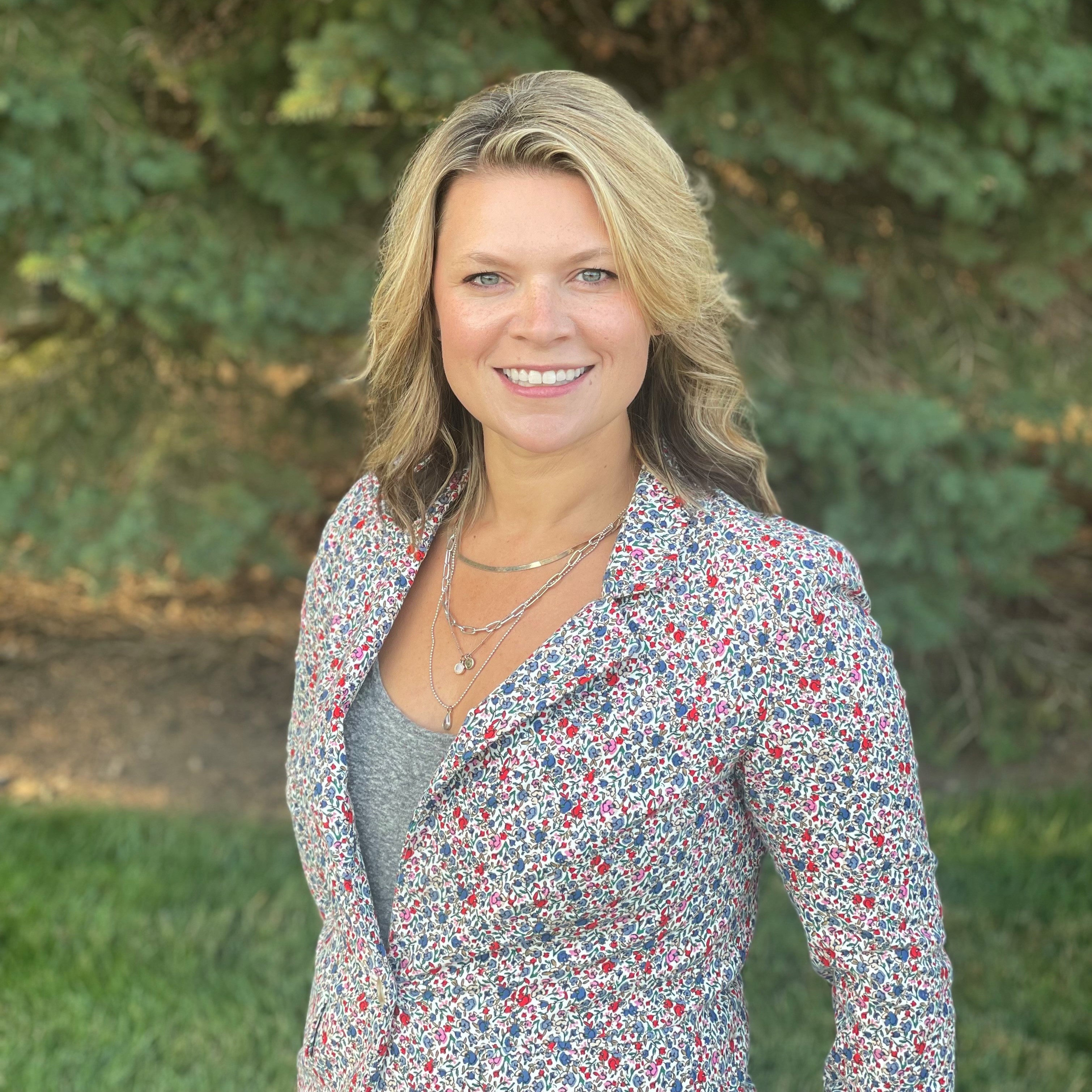
[00:00:22] Speaker C: Brent Hagan, the chief of supply chain at lob. Good morning, Brett.
[00:00:27] Speaker D: Calling all CPG shippers, truckers, and logistics pros.
Welcome to the truck. Yeah Podcast. Your ultimate cheat code for smarter shipping, smoother logistics, and dominating the shelf where it matters most. Buckle up. It's time to learn, laugh, and get your freight on.
[00:00:44] Speaker A: Tech Cam.
[00:00:47] Speaker C: Ladies and gentlemen, welcome back to another edition of the Zipline Logistics Podcast. My name is Jesse Jewett. Joined with me as always, tech Teddy Lee Knox. Hello, Teddy.
[00:00:57] Speaker A: Hello. How are you?
[00:00:58] Speaker C: Wonderful. We got a special guest today.
We are talking about leveraging robotics and AI to optimize supply chains.
Who better to talk about that than our special guest, Brent Hagen, the chief of supply chain at lob. Good morning, Brett.
[00:01:15] Speaker B: Hi. Thanks for having me today. Absolutely.
[00:01:17] Speaker C: We're excited to have you. It's warming up here in Columbus, Ohio, on a. After a few months, feels like weeks of, of cold, frigid temperatures, but, but.
[00:01:26] Speaker A: It'S only going to get colder before.
[00:01:28] Speaker C: It gets all right.
[00:01:29] Speaker A: So, like, let's not say it's warm all of a sudden.
[00:01:31] Speaker C: We're moving forward. We're moving forward, but we're excited to talk to Brent. You know, first up, Brent, we're going to kind of just review your, your history, your work history. We always like to do that to kind of give us a baseline. So I'm going to allow you to talk about the, the highlights of your, of your past work history. So go right ahead.
[00:01:48] Speaker B: Yeah, so I, I'm a graduate of, of Purdue University. Boiler up. But coming out of there, I was in an executive development program with a tier one manufacturing company that's called Eaton. I spent three years traveling around the country learning. Essentially, the goal of the program is to teach engineers how to be like actual, like human beings and interact with people and not systems.
[00:02:12] Speaker C: Nice.
[00:02:15] Speaker B: Yeah.
My wife would argue, maybe it worked, maybe it didn't. Coming out of that program, I got into private equity manufacturing, where I began working heavily in lean Six Sigma. And my specialty became operations due diligence and post acquisition, operations integration and merging first and third party supply chains globally.
That was, that was a whole Lot of fun. Until we had our first daughter and I was spending more time in China and Mexico than I was with her. And made a pivot to Amazon where I began. Spent four years building their robotic fulfillment network and four different distribution centers there. Each one was capable of doing about a million outbound orders a day. When you think about that, that sure scale is very very impressive. And from there moved into a startup that was founded by next Amazonian where we thought that we could create Amazon like fulfillment speeds without Amazon like fulfillment or fixed cost and infrastructure by leveraging AI machine to accurately predict the most likely point in which inventory was to be sold. And we would. We created regionally placed distribution and logistics networks tied to that and we would place that that inventory in those geographic areas. So we had very short final mile delivery. The IGEO worked about four years, five years after after the start of the company we were acquired by Shopify for Shopify by for 2.2 billion dol.
That was a ton of fun. The afterlife of that acquisition, not so much fun. And I took some time off to re energize before I joined LOB where I'm the chief supply chain officer here. General premise is that we are a direct mail automation platform and we believe ourselves to be an end to end orchestration engine for all things in the direct mail space. So for customers that need their billing statements done or postcards, marketing campaigns like whatever W2s whatever those things might be, we have one of the easiest platforms globally to be able to ingest that work. And we have built a third party manufacturing network and logistics network that takes that excess capacity that our providers have and it becomes our capacity to be able to process that work and intelligently route it downstream so that we can have cost and speed kind of meet. Right? Depending on what sort of campaign somebody has and how quickly they need it in home, we can customize those solutions to be able to meet their needs. So that has been a lot of fun. I've been here almost three years now. Our world has definitely changed over those three years. And what we prioritize.
[00:05:13] Speaker C: That's wild. We're going to talk about LOB here a little bit later.
My mind is racing with questions. But first off the first topic we've got is robotics and automation.
One of the things that I've heard certainly with the AI boom of maybe the back half of 2025 or you probably think it's long.
Robotics and AI often get framed as quote unquote labor replacement. Talk about that in your experience, how do the robots and the automation shift the jobs that humans do inside a facility?
[00:05:43] Speaker D: What's up truckers? Zipline Logistics is heading back to Natural Products Expo west once again this year. We'll be there in Anaheim March 3rd through 6th and we are really hoping to see you there. Since Zipline exclusively serves CPG shippers, showing up for the CPG community is kind of our thing. And that's why in 2026 we proud to be the only platinum level logistics sponsor of the event. Still need your Expo pass? Use our discount code 10953 for 10% off or just click the link in the show notes below. Let's link up at Expo West. We are so excited to see you there.
[00:06:19] Speaker B: Yeah, that's, and that's definitely the way that I think about it. It's not always labor replacement, right? Like that's, that that's not always the goal. Especially when you start looking at, you know, white collar versus versus blue collar. People always talk about this, the AI revolution in particular. And the thing that I talk about is it's unlikely that AI for example is, is going to replace you as much as the person who embraces AI is, is going to, is going to replace you.
And so when, when I really, when I think about it going all the way down to the, the shop floor for example, and what maybe it's AMRs can do for you or what just General Robotics can do for you, it begins to take highly redundant work and it begins to shift that into highly automated work.
And the, the largest variable inside of any warehouse is the human itself. It's, it's also one of the, the most intelligent pieces on the floor. So how do we begin to allow humans to make highly technical decisions, whether that be focused on, on quality or other that we can, can add to a system? You know, and that's the shift that I think that large organizations like, like an Amazon for example have already make, made and continue to make versus maybe your, your traditional shop floors where the cost of those sort of solutions hasn't gotten to a point where it can truly scale.
[00:07:48] Speaker A: That is so important when you're looking at an entire supply chain as well. Sometimes you're just thinking about the facility, facility basis. But that automation, I like to think of it more as like enhancements and it needs to be throughout the supply chain, not just in a facility. But I think that's really important to your point. You know, it's not a labor replacement. How can we use this to get the humans to think more critically, do things a Little bit differently customization like you mentioned and what you're able to do in your day to day. I think that that's really important. It's a really nice distinction rather than people just saying, oh, it's labor replacement jobs are being replaced by AI.
[00:08:25] Speaker B: Yeah, no doubt. I mean there's, there's certainly going to be some roles that, that just disappear. You know, when you look at general material handling, if you look at what's traditionally called a water spider environment inside of a manufacturing operation, like yes, those sort of things are going to go away. They're, they're highly redundant. They're also very high turnover roles. Right, right. You don't see, you don't see a 25 year water spider veteran inside of a manufacturing setting. Right. That's usually a gateway into those roles. And so now we, we get to have them take on more responsibility earlier and, and begin to, to learn the operation and train them to, to do more value added offerings. Like it's, it's, it's a really good solution for everyone.
[00:09:10] Speaker C: I saw a video I believe the other day about a, like a robotic fork. Forklift or an automated forklift. You got any other cool robot stories of on the warehouse floor for us? Any other unique arms or things like that?
[00:09:24] Speaker B: Oh, absolutely. You know, it. So the, the type of buildings that I ran at Amazon, we had 13,000 robots on site and usually 3 to 5,000 people as well. And it was, it was one of the pieces that I made note to kind of talk to y' all about today. And I mentioned it briefly just, just now, but the autonomous mobile robots, you know, it's something that, that Amazon's been using for a long time. It's pretty cost prohibitive. Like there are certainly, there are certainly other companies that use it. Gxo, but you know, is also a massive fulfillment provider that can afford to do those sort of things. But you're talking about robots that really kind of make their own decisions in terms of the lanes that they're going to use to deliver goods to an operator to pick from as well as if they see an obstruction, rerouting themselves to be able to still get to the operator, although, you know, less efficient routes, but they're going to make those decisions on their own.
That's something that I think your traditional mom and pop fulfillment company just, they just can't get there yet. But soon they're going to be able to, you know, and it's pretty impressive to watch. Like you've got something that's the size of what I would call like a really large like ringba vacuum. Yeah. That's lifting up, you know, £2,000 on this 10 foot tall stack of inventory, moving it from place to place. That sort of thing is pretty neat to watch.
[00:10:59] Speaker C: Yeah, very cool, very cool. Yeah, I've seen some, you know, it's not in the same vein, but similar with the automatic driving or driverless cars. Right. Then kind of them learning the navigating the roadways or like a, I saw one with a fence the other day. It's, it, it's, it's wild. It's very interesting. So kind of piggybacking off of that AI and supply chain. So it's in the similar vein, a little bit different. But tell us about practical ways AI is improving. Maybe the data side of things. Forecasting, routing or demand planning. What, what do you see that in, in your experience that's actually working out there right now?
[00:11:36] Speaker B: Yeah, we're using it right now. In fact, we just launched a new product that we call Postal iq, which is the resource software tied to everything that we do. So it's building all of our logic for demand placement versus capacity as well as looking at postal regulations as well as both trailer and postal efficiencies, and making the best decision possible for where mail should be both produced and routed. Within the US system itself, there's something that's called an SEF and there's like 225 or something of these SEFs around the United States. And your ability to get the mail to that SCF instead of allowing the USPS to do it for you comes with tremendous unit economics savings. And so we begin to batch orders across unique customers, which is something pretty special to lob. Most, most traditional printers are going to batch work customer by customer, campaign by campaign, not necessarily blend all that work together. And so our use of AI has allowed us to begin to do that. And so your traditional customer that could send a million pieces of mail downstream at one time versus your customer who's sending 10,000 pieces.
We're now able to get the efficiencies to that customer of 10,000 that the, that has been, you know, kind of exclusive to the 1 million customer. And that's, that's been a tremendous opportunity for us to scale an industry that as we all know, has been reducing over time, but you know, really built on the back of us being a large technology player in an industry that has been around for a very, very long time.
[00:13:32] Speaker C: Snail mail's coming back.
[00:13:34] Speaker B: Yeah, it is back. Yeah, it's, it's back, baby.
[00:13:37] Speaker C: I think that, you know, there is something to be said about holding something.
[00:13:40] Speaker B: Right.
[00:13:40] Speaker A: Very exciting.
[00:13:41] Speaker C: Yeah.
[00:13:41] Speaker A: I still feel like I send a lot of it.
[00:13:43] Speaker C: Yeah.
[00:13:44] Speaker B: Oh, the piece that, that we talk about, you know, this, this isn't the mailbox.
[00:13:48] Speaker C: That.
[00:13:50] Speaker B: And trust me, like, I know I'm talking about direct mail here, but this, this isn't the mailbox that, that you and I grew up with. Right. You know, where our parents were.
Stack of. Of things to. To throw in the, in the trash or now the, hopefully the recycling bin. Right. But there's, there's studies out there that say that Gen Z's actually love getting mail because they never really historically got it. And when they do get it now, it's personalized to them versus they've been getting emails their entire life and their inbox is completely overrun. So actually, when you begin to look at direct mail as a marketing channel, actually has the attribution of any traditional marketing channel out there. And some of that is because of the things that, like LOB prioritizes with our customer base is how do you.
We don't need to do like this spray and pray campaign of make sure that every neighbor inside of your neighborhood gets the same campaign. How do we ensure that the right people in that neighborhood get a campaign that's customized to them, that has a compelling call to action and allows them to do something? And, you know, tying us back to supply chain. A lot of that comes down to who are you targeting, why are you targeting them, and how quickly do you need to target them to get them to do something? And so we have to have a very agile supply chain that enables our customers to be able to do that.
[00:15:19] Speaker A: That's really funny because we had something in the mail the other day about Windows, and my oldest daughter was really excited because she's like, you were just complaining about the Windows mom. She's like, this is so exciting.
How did they know? And listening to you, this is really interesting to hear. Like, how like, they're now starting to notice these things.
[00:15:36] Speaker B: Yeah.
[00:15:36] Speaker A: And be like, oh, you needed this. Here's your answer. Like, problem solved.
[00:15:41] Speaker B: Right?
[00:15:41] Speaker C: Yeah. You just got this flyer in the mail.
[00:15:43] Speaker B: Yeah, exactly. Call them up.
[00:15:44] Speaker A: They also just figured out that I'm ordering the Amazon packages that come. They also thought that was just happening. Like, they didn't. You know, all of it's new and.
[00:15:53] Speaker B: Sometimes it does, you know, and some of it's almost creepy. Like, you'll, you'll never convince me that Alexa is not listening to us. You'll never convince me that that's not happen it. Yeah, you know, but at the same time, if you're, if you're doing research on window washing or house cleanings or that sort of thing, Facebook is going to pick that up, right? Facebook is going to retarget that. Like people are buying that data and we're going to help them get you more information on, on how you can can complete those, those services, you know, or if you, if you leave something in your, in your cart at a shop that, that you frequently visit, how can we compel you to, to go and close out that order or that sort of thing?
[00:16:36] Speaker C: Hit that checkout button. That's interesting.
[00:16:39] Speaker B: Exactly.
[00:16:40] Speaker C: You touched on it briefly. But something near and dear to our house, our heart, the good old fashioned truck.
Right. How does that play, you know, roles within the, the lob ecosystem? You mentioned kind of empty mile or I guess backhauls or empty miles and filling those up.
What else are we missing there?
[00:16:57] Speaker B: Yeah, there's, there's a few different things within the direct mail space itself. It, it's not as simple as just getting stuff out of a print manufacturer and handing it to the usps. Like you could do those things.
It would be fairly cost prohibitive, you know, and it happens a lot. But you're going to to pay in terms of postage a lot compared to what you, what you need to pay if you have a robust logistics network that's, that's tied to it.
So one of the pieces that we look at is middle mile sortation, which in this space is called commingling. And how do you do exactly what it sounds like co mingle customers together that inherently don't have anything to do with each other outside of the fact that they're going to the same destination.
The question that becomes there is how do you have that mail get there? And so are you going to move things LTL versus ftl? On what basis are you going to be able to do that? What are the unit economics that are tied to it? So now you get into to a trailer utilization conversation. When you have enough density within a lane, can we do FTL drop ship directly to the USPS instead? Like that's going to be the most economically favorable thing. Then you know, most importantly to our customers, what's the timing and the cost of, of each one of those decisions? You know, and so that, that really begins to piggyback of gosh, like could you imagine if you had to have humans make those decisions every time? Like you know, we do, you know, 500 million pieces of mail a year. Like it's not just a human that would have to make that decision. It's, it's teams of humans and it's, it's highly transactional. You know, today's work is, is not tomorrow's work. So can, can AI begin to, to take over those sort of, those sort of things, you know, and, and what we begin to see as you do that is okay, we've got fewer dwell hours, we've got more predictable dispatch windows. We can schedule tighter line hauls which are going to drive, you know, you know, those things alone are going to drive 10 to 15% network cost improvements. Now you're saying, okay, I've got fewer trailers per week, a lower cost per unit shipped, a more stable line haul demand profile. Like all those things come as a result of AI and better predictive modeling.
[00:19:22] Speaker C: That's super interesting.
This sounds like a very simple question as we dive into AI and robotics. But, but how is mail loaded onto a 53 foot truck trailer? Is it in bales?
[00:19:36] Speaker B: It's in a, it's in a tray. You've probably seen the tray. They're, they look like the white plastic.
[00:19:40] Speaker C: Like buckets kind of.
[00:19:42] Speaker B: That's, that's right. Yeah. It looks like corrugate, but it's actually like a, a plastic. Right. And the, the one thing that, that I will say. So the USPS, you know, is going to do like 90 to 100 billion pieces of mail this year, you know, which, which is a lot.
[00:19:58] Speaker C: Yeah.
[00:19:58] Speaker B: If, if you were to go, if you were to the UK, they'll do, you know, 9 billion. So just give you like an idea of, of scale there. When you go to the uk, their equivalent of the white buckets are actually like beautiful.
Like to the point of, you know, if you watch, if you watch college football today, versus if you watched it in the early 90s, you know, you'd always see like the offensive linemen with like paint chips in their helmets, you know, from their heads getting slammed versus today. Like every helmet you know is perfect 100 of the time. Like it.
That's kind of the, the comparison of, of like a tote in the, the US versus it's called a tray versus a tray in, in the uk but yeah, so they, they get loaded into trays. Those trays are palletized and then depending on scale, maybe they're stacked in the line haul, maybe maybe they're not. Then they're, they're probably not like they, they can get crushed and. Right. Fairly easily. If, if not stacked well, but they, they could be stacked.
[00:21:01] Speaker C: Okay. I had a similar discussion, or not similar, but a, a discussion with a potential customer of ours that has smaller products. Right. And, and you mentioned the drop trailers and the timing and the, and the AI component of that. And it was interesting to hear. Right? You have to try and match up all of those factors, right? Just because you need, people need to get their mail or customers, your customers want the mail, you know, within a certain time frame, right. You can't just wait until you have a full truck. If it takes three weeks, that's not an effective use of anybody's time. Similar to this retailer that we were talking about, a potential customer of ours was like, yeah, you know, eventually, if it, even if the truck's 60% full, 70% full, as we're loading it, you know, we do have deadlines that we have to meet. If it's a two day transit, it's gotta go. And it's interesting to think that, that, you know, in my experience, I've been in supply chain for 18 years, there are human interactions where it's like, yep, gotta send it, we gotta get the, you know, we gotta get that product there. I worked in the furniture delivery section, right? It's gotta be there by Friday to hit the home delivery section. We've already have it scheduled, so it just has to go. And to think that that AI can maybe predict that or utilize some sort of data that says, you know, all right, for these, whatever time frame, as soon as it hits to 25% full, we know based on all of the data that we've calculated that that takes 12 hours to then get to 70% full. And we're willing to move it at that point. So we'll send out a notification to the driver or the team or who's going to handle it. I mean, it is interesting to think that you can keep peeling back these layers or keep implementing points in the data to trigger something that will help drive the cost efficiencies.
[00:22:51] Speaker B: I agree, I totally agree. And that's the way, that's our thesis in the space as well. And so within the last 18 months, actually Lob began creating a more autonomous logistics network where the way which I wanted to look at it, given the tenure of this industry, you see fewer and fewer players entering into the space. Right. Which can create a lack of competitiveness. And within logistics itself, tied to direct mail, there's really like one Goliath that has truly national presence. And everyone else, even if they say that they're national, they're really not. Right. If you split the country into like quadrants or maybe across like five regions, the next largest player might really be in like three. Yeah. And so that can become a real challenge, especially to your small and medium sized print manufacturer. But even to a law. Right. Because of that, that lack of competitiveness on a national level, you're immediately going to get steered towards the Goliath. And so that was something that kind of irritated me, to be really honest, when I got into this space, because there's a lack of you can't negotiate, you know, with yourself.
[00:24:09] Speaker C: Yeah.
[00:24:10] Speaker B: And so what I began to ask my team is hey, can we take the patents that we have on the manufacturing side, which the patents that we have are, is the intelligent routing that begins to connect print manufacturers across our network that are all third party but have nothing to do with each other and we can dynamically route that our demand to that network is if it was one large company. So can we, can we take that technology and put that in logistics where we have a lot of freight providers, a number of middle mile sortation providers together and then we allow that technology to decide which one we're going to use based on whatever criteria that we set, which is really a new look for the space. But it allowed us to begin to multi source our partner network where traditionally everyone in the industry is singularly sourced.
And it worked. It worked incredibly well. And so after we did that, it was, even while we were building it, it was like, gosh, this is probably something the rest of the industry is going to be super interested in. Interested in. So we actually launched a new business called Loblogistics that sells those services. So print manufacturers or even those who need print services can tap into our API. Our API will dynamically route to the best possible logistics offering that this customer is going to need at the, at the best price and begin to dynamically route that through the middle mile supply chain.
And it has been really fun to be a part of that endeavor. So on top of my chief supply chain officer responsibilities, I'm also VPGM of that business line, managing a small sales team for the first time, which has been really great. But it's something that we've had a lot of success with in 2025 and that we're excited about in 2026.
[00:26:10] Speaker C: That's awesome. That's really cool.
[00:26:12] Speaker A: You both mentioned data capabilities, regions size, things like that. And after like talking about this, it just makes me think like there I feel like there's a specific milestone or phase that everyone goes into where that's when they officially start needing AI, where they start thinking more about robots and like what that's needed. And I know that you'd mentioned earlier that mom and pop shops, I feel like we have a lot of CPG customers that they need to start with those mom and pop shops because they don't have the data, they don't have, you know, what they need to start confirming what capabilities and AI or you know, automation that they might need going forward.
So like what's, I guess what are some key things that people should start looking for to get to that point? Because even though, you know, food and beverage is a little bit different than, you know, paper mail, ultimately it's the same thing. You get to a point where you're no longer thinking regionally, you're thinking nationally.
And we've, I've seen a lot of customers get into positions where they are, I guess going forward with, you know, I guess what's consolidators or something like that. And then they don't capture their data and then they can't capitalize on using AI correctly and that gets them in a difficult spot. So I guess this is a question to both of you. What are some things that people can start looking into to make sure that they are preparing themselves to use AI in their supply chain correctly?
[00:27:39] Speaker B: You can really begin to start with basic premise of how do you make your team more efficient? I think that's becomes the first use case for AI that goes back to forecasting and labor scheduling.
Most of these companies, they're going to have some sort of base level mrp, erp. What sort of additions can you add to that that's going to be able to help you better forecast and plan is when you start getting into what's happening on the, on the shop floor. How can you ingest that that sort of data around inventory counts? If you're talking about cpg, your overall pick rates, your lead time to order. You know, even if you start with like output data that, that you're going to track, right? Like the, the number of days that it takes from order ingestion to the time it's given to your customer, like people are going to have that or you give it to the consolidator to your point, like you're going to have that data and say what can I do to start streamlining these processes? So it really depends on what do I want to shift first? Do I want to look at my cogs and shift my cost down?
Okay, great.
What are simple tools that I can embed within my warehouse that are going to optimize those things or is it an external facing sort of thing that I, I want to begin to solve which, which would really change what tools that, that I'm going to leverage to, to drive that.
[00:29:15] Speaker C: That's interesting. Yeah, capturing any sort of data is probably better than not capturing any at all. And so that's what one element of our system canopy does. So we have an in house tech platform. Right. That's both internal and customer facing and it captures skid counts, case counts, if we've got that from our customers, rate per mile, on time, delivery percentages all, all across. Anything that involved in our customer supply chain that you can think of, it can capture. And that's a great kind of starting point to. Then again, like you talked about, peel back the layers to try and find efficiencies within the network that's been a super beneficial to our customer partners over the last five to seven years as we continue to build it out. I mean it's got a lot of the, you know, basic day to day efficiencies, tracking and tracing things of that nature. But the data analytics piece is, is where we find the most impact. So that's been exciting. But capturing the data, for me, I know that seems simple but sometimes, you know, the simple solutions are the most effective.
[00:30:24] Speaker A: I agree. And I think that goes back to demographics. Like. Yeah, what are you thinking about that, you know, window replacement is maybe better in Dublin, Ohio than it is in another area. Versus this product sells better at Costco and West coast than it does in East Coast. I feel like it all kind of all that data is extremely important to understand.
[00:30:42] Speaker C: Sure.
[00:30:42] Speaker A: For your entire network.
[00:30:44] Speaker C: All right, Brent, we're going to have you predict the future.
Place a bet here. What robotics or AI capability will be completely standard in warehouses or maybe not. What's new and exciting in the next five years? Got anything on the tip of your tongue or the top of your mind?
[00:30:59] Speaker B: Yeah, I think there's a couple of things. I had mentioned the AI and dynamic forecasting and scheduling tool, I think that's going to become pretty standard here in the future. Just in the same way that any warehouse you see right now, no matter of size, is going to at least be using Excel or Google Sheets or something like that to plan to begin to embed AI components into their decision making to drive more efficiency. Additionally, I had referenced the AMRs, the autonomous mobile robots.
I think you're going to continue to see those things begin to scale both in terms of the technology is inherently going to become cheaper but as well as inflationary crunches and the cost of, of our workforce. As those things continue to grow, the, the, the economics and ROI tied to it are just going to make sense to, to start substituting some of the, the highly standard work with, with those sort of robotics.
[00:32:04] Speaker C: Very cool. Well, that wraps it up. What's the best way for folks to get a hold of you? Brent? Can you give yourself a plug yourself and then how can they get in touch?
[00:32:14] Speaker B: Yeah. Brent Hagan H A G A N. You can find me on LinkedIn @la. That's definitely the best way to get a hold of me.
Let's connect and happy to have any conversations that anyone wants.
[00:32:27] Speaker C: That's awesome. Thank you so much for joining us. Thank you to our listeners. If you don't mind, leave a five star review on Apple or Spotify. Brent, thank you so much for the time today. We look forward to talking to you soon.
[00:32:39] Speaker B: I appreciate you guys. Thanks.
[00:32:40] Speaker C: But yeah, thanks for joining us. Another episode of the podcast. We'll talk to you soon.