Episode Transcript
[00:00:00] Speaker A: Maybe we could actually talk about this a little bit more.
[00:00:03] Speaker B: Because all roads lead to the Truck yeah Podcast.
[00:00:05] Speaker A: Exactly.
[00:00:06] Speaker C: Really? Truckee Ass podcast. Today is Jesse and Jamie having a therapy session.
[00:00:12] Speaker A: I have a group of moms and we all agreed no cell phones for our kids until 14.
[00:00:16] Speaker B: We say freight never stops, which is true, but that doesn't mean that there can't be guardrails.
[00:00:21] Speaker C: There's a responsibility in anytime you're a company and you're impacting the lives of your employees.
[00:00:28] Speaker A: Calling all CPG shippers, truckers and logistics pros, welcome to the Truck yeah Podcast. Your ultimate cheat code for smarter shipping, smoother logistics, and dominating the shelf where it matters most. Buckle up. It's time to learn, laugh, and get your freight on.
[00:00:47] Speaker B: Ladies and gentlemen, welcome back to another edition of the Zipline Logistics Truck yeah podcast. My name is Jesse Jewett. Joined with me as always, Teddy Lee Knox. Hello, Teddy.
[00:00:59] Speaker A: Hello. How are you?
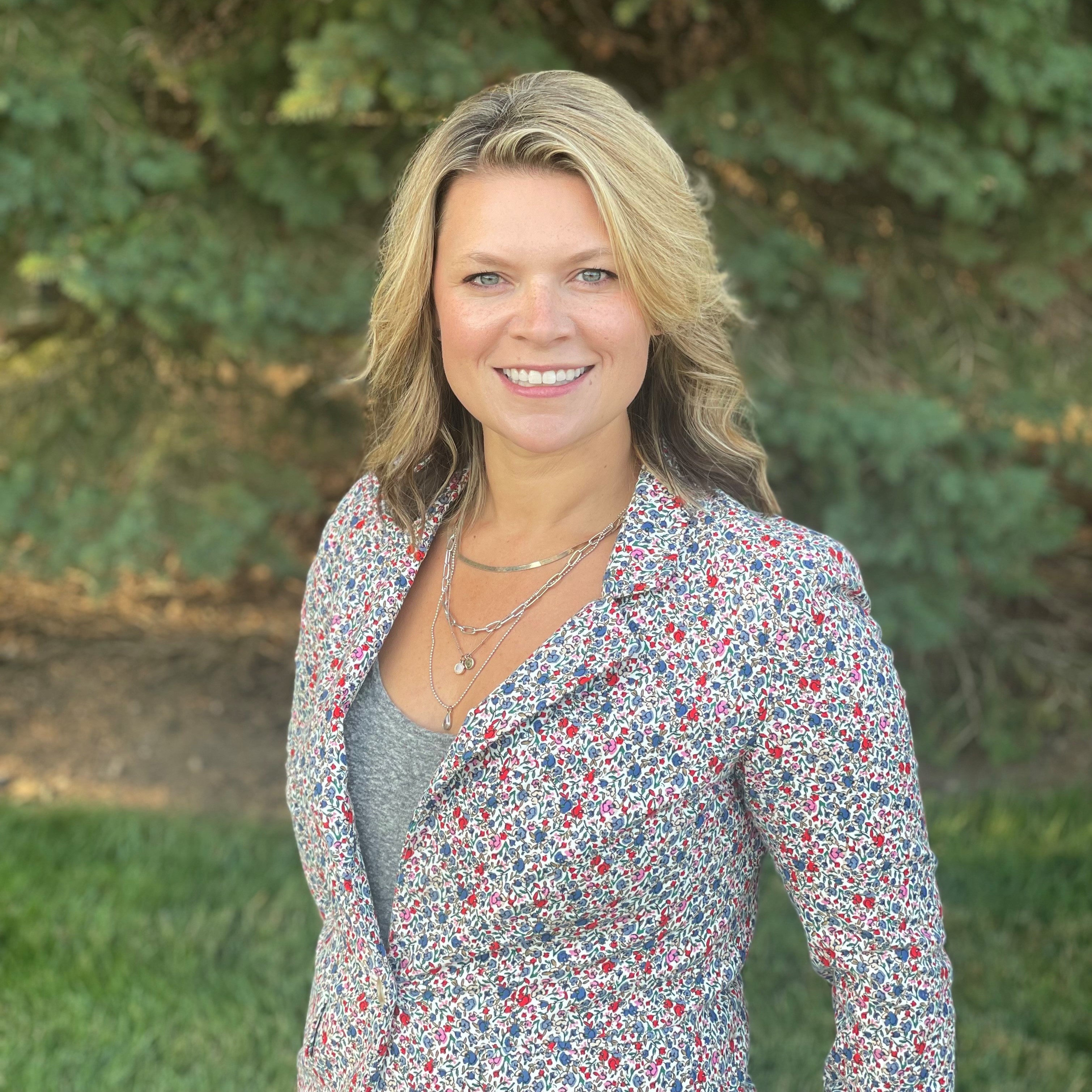
[00:01:00] Speaker B: I'm wonderful. We've got a special episode, a special guest. Today we're taking it back to our first episode regarding mental health in the supply chain and in CPG world. So joining us today, Jamie Rogerson, the director of outbound logistics and northbound North American operations for Lululemon, located here in Columbus, Ohio. Good afternoon, Jamie.
[00:01:24] Speaker C: Good afternoon, Jesse and Teddy. You guys have good radio voices and I don't.
[00:01:30] Speaker A: That's not true. You sounded up.
[00:01:32] Speaker C: If there's anything you can do to that and make it sound better, I would appreciate it.
[00:01:35] Speaker B: We'll work on that in post. Thank you for joining us. We're excited to talk to you about an important topic, but tell us a little bit about your history in the world of logistics, if you don't mind.
[00:01:46] Speaker C: Yeah, absolutely. So it seems like as soon as I left college, I was thrust into logistics. My first job was with RPS ground, which was, well, RPS which then turned into FedEx ground.
So I was with FedEx for about five and a half years. I moved to Columbus to take a job with L Brands and was with l brands for 16 years.
And while at L Brands, I did roles in DC operations, shipping operations, dc, you know, pick back and ship, International transportation, domestic transportation. So in those 16 years, I felt like I got, you know, kind of like logistics school view of everything.
[00:02:27] Speaker B: Yeah.
[00:02:28] Speaker C: After those 16 years, I moved on to Lululemon and have been with Lululemon for 10 years, all in outbound logistics operations.
[00:02:35] Speaker B: Very cool.
[00:02:37] Speaker A: Auto logistics, absolutely.
[00:02:38] Speaker B: I like that transition from it was this company and now it's FedEx. You hear that a lot in the Logistics space. So when talking about mental health, and we're going to kind of discuss how we as supply chain professionals can. Can impact mental health in our work, our homes, and our community.
You have a very important story to tell, so why don't you kind of walk us through that part of it? Is your organization Thrive for Theron? Walk us through that story, if you don't mind.
[00:03:07] Speaker C: So thanks for having me and thanks for talking about mental health. I think it's super important. And like Teddy mentioned, before we started recording, your first podcast dealt with mental health. So, yeah, I'm proud to be in. Honored to be invited as a guest.
May 13, 2022. My youngest son, Theron, who was 19 at the time, took his life. He. He died by suicide. And that. That night I was just sitting there with my wife. We were crying, could barely breathe. And some days, even yet, today I can barely breathe. But we decided in that moment that we weren't going to let Theron's memory be tied to that day and that we wanted to use his beautiful soul and his light to shine on mental health, suicide prevention, help make our community and our youth and our community stronger using Theron's memory.
So the initial thought was, let's have a scholarship in Theron's name. So that was step one. And then I started doing tons of research into mental health and what other families who have lost suicide have done in the aftermath and kind of use their young people's memories to do something else. And so I had big ideas at first. I wanted to kind of boil the ocean, and my wife kind of reined me in.
So we formed Thrive for Theron. It's our 501C3.
It supports the scholarship, but we also do things in the community.
Theron went to Mount Vernon Nazarene University for his freshman year of college. And so we go there, we support the cross country and track team and do a workout in his honor. We have just recently started collaborating with another nonprofit in Granville, Granville center for the Arts, and a local counselor, Mark Hamilton of Focus Point Counseling. And we've been doing something called Brave Talks. So we invite parents to come in and try to coach them, give them a tool belt to talk to their kids about anxiety, isolation, suicide ideation, you know, anything along the mental health spectrum. And those talks have been going very well. And so Thrive with Heron is basically an outreach program in honor of Theron, trying to shine the light on mental health and what we can do to make our community stronger.
[00:05:42] Speaker B: That's awesome. That's. I mean, Kind of reflecting on it, it sounds like it's tackling both, obviously, children and the parents. Right. As I know Teddy and I have. We've talked about it several times. I have two daughters. Teddy has three, and they're nine and five. So, I mean, it's one of those things where you hope that it's. It's not on any of their minds, but, you know, it's probably ironically or whatever you want to call it. My oldest daughter had a, quote unquote, mental health day yesterday from school. She called us early. She said I was sick. And we brought her, picked her up and brought her home. And it took a while for us to get that to her. But kind of reflecting on where I want to be as a parent and saying, I acknowledged to her this morning, it's like, hey, you know, I know you told me that you were sick yesterday, and then you told mom later that it was a different sick. Right? That's okay.
It's important that you feel like you can tell that to us. So to hear that you're kind of tackling it from both sides and you can correct me if I'm wrong, is at least that that makes me feel good.
[00:06:49] Speaker C: Exactly what we're doing.
[00:06:50] Speaker B: There's a lot of resources that you need. What we need, I mean, I and
[00:06:54] Speaker C: our kids know today kids are growing up in arguably the most connected world we've ever had, right?
And yet isolation is at the highest level. The feeling of isolation is at the highest level that's been recorded. So it's very strange. But getting on a phone or an iPad or tablet or whatever and scrolling the doom. Scrolling it further isolates people. And kids are doing this at a young age, and their brains, they're not able to handle that kind of feeling.
The last part of the brain that develops in a child is the prefrontal cortex, and that's usually 26, 27 years old. And that's the part of the brain that is executive functioning type of work. So it's handling anxiety, making good decisions, and that's the last thing that develops. So we have to.
I told this story of my wife and I were.
We have three boys.
So our oldest is eight years older than Theron was. Our middle son was six years older. So when, you know, Theron was 19 and our other two were adults, we're thinking, hey, we get this stuff figured out. We got life figured out. And then this came out of nowhere. Theron was. He never showed any type of mental health issues. He was never diagnosed.
We've Talked to his family doctor who was the only doctor he ever saw and his doctor said he didn't see anything coming. So a little bit more about, you know, Theron's background and what, you know, obviously I was shocked, the community was shocked.
I think most people think suicide ideation or all these, you know, dark and gloomy souls, right? And that's what I've found through talking to other, other people who have lost kids to suicide is their kids are like, they fill a room, they, they bring the room up. They are bright souls, they, they want people to laugh. They're not always the life of the party but they, they open, you know, they walk into a room and the room becomes brighter. And so there you have to watch out for. Yeah, all the kids, right. It's not just the, the ones who seem, you know, like Eeyore.
Right. It's, it's a, you know, we need to protect all of our kids and they're exposed to, you know, the dangers of the world pretty quickly and they can't handle it. And we, you know, that's what we're talking to parents with the brave talks. You know, we have to look at how we're raising our kids and maybe change some things because the rate of suicide is increasing each year. So we're going to lose over 50,000 souls to suicide this year. It's unbelievable.
[00:09:37] Speaker A: That's a lot, that's bizarre to think about.
But I love with the cadence that you have of the education piece of getting that out there and something I always say on this floor that I get made fun of here and at home for is like you have to say something six to seven times someone for them to fully understand it.
To the point where my kids were like, you only said it four times so I didn't hear it. But you have to put that stuff in there so they understand. Like there's so much that, I mean growing up as like a, you know, an 80s baby, a 90s kid, like when I see a lot of social media, I can't actually handle it. Like it's, it's a lot of information and I'm getting the wrong things six and seven times and getting the wrong practice with it. So having somewhere where you're seeing something and then actually have the chance to voice it back, like that's true education, to hear it and then apply it is completely different. And that's not what I mean. To your point, this connected society, that's not what we have. It is one sided and it's everything coming in of, like, you know, you need this, you need that. You know, as I grow, like, there's different things that I'm told. I need to be taking creatine and colostrum or. So I don't. I don't know what these are, and I don't know if I need to buy them.
[00:10:52] Speaker B: But that's a new supplement every week.
[00:10:53] Speaker A: Yeah. Yes. To the point where I'm like, do I need to do this? Like, how do I figure it out? All of it? No matter what part of life it is or whether it's like social life, family life, work life, everything. Like, it's not. You don't just get it and it changes quickly. So I think, you know, being able to have that center, someone that you can go back and understand things with and have a brave space. I like that you call it brave talks instead of, you know, like, safe talks, because it's, It's. You need to be brave to have those conversations and open your mind that way. And I think. I think that's. That's really important and it needs to be applied everywhere.
[00:11:29] Speaker C: Yeah, no, I think, you know, we talk about brave talks and, you know, we're sitting here looking at each other. Right. And if I would bring up, like, a really awkward topic, it would be hard just to be staring at your. In your eyes as talking about it. And the counselor who puts on the brave talks with us is.
He's good at, like, bringing up the ways that he does those things. It's like, say the hard things while you're doing things in so many words. So it's, you know, your kids, maybe you're coloring or you're drawing or you're cooking or you're playing basketball. Those are probably good times to bring up something that maybe would feel awkward because, you know, it's going to be rare that they bring it up. We're adults. It's really hard to think of the way that our brains worked back when we were 9, 10, 11 years old. And luckily we've forgotten how we think because it would be disastrous to have adults thinking like that. But you, as an adult parent, have to be the one to break the ice. And it's not going to work the first time, probably.
So it's a muscle. Like what I've. What I used to say to my family was, I would worry about the small stuff, and maybe I'd lose my temper on small stuff. But the bigger the problem, the more calm I'm going to be. And obviously it didn't work for me. And Theron. And, you know, I have a million regrets. I relive my past conversations with Theron every day. There's not a day that goes by that where I'm not like, sick to my stomach about failing him. And that, you know, that's what pushes me to have conversations with others. And I beg people to use me as an example to then have a rough conversation with their, their children. So, you know, maybe all it takes is, is, you know, one conversation. You never know. And you have the kid who instead of taking a step down the path of darkness, they're taking a step into the light and they continue on that way. And, you know, so, you know, I pray that I can make a difference.
[00:13:34] Speaker B: Well, thank you for sharing that about the start of the organization, I guess. Before we get down too far, I did have a question about, like, recent impacts of AI.
Has that been a topic? I don't know. Has that been a topic in some of the brave talks? I mean, that's a.
I mean, amongst a number of other things that are happening. But you talked about isolation, you talked about technology. I mean, it seems to be moving faster and faster and we can actually have a quote unquote relationship with an artificial being.
And there's been some. I know there's been, I've read a handful of articles that are very troubling.
[00:14:13] Speaker C: It's, it's terrifying.
And, you know, we, we haven't brought that subject precisely, but it's kind of like on the surface, it's more about, you know, we're sitting here talking to each other. We can read each other's body language, facial expressions, right? And there's a potential for, you know, the human contact, a hug or whatever, a high five. And you just can't get that through the phone, through AI, through any other form than just human interaction. And so we definitely stress the fact that, you know, get out and move. You know, people say touch grass, whatever, but get out and be in nature, do things together in nature.
So, yeah, we've kind of like, on the, on the, you know, surface talked about AI a little bit, but not, not as deep as we should. It's. Yeah, it, you know, it could be used as a great tool and that's what we hope for. But there's. It's no different than the Internet. The Internet and social media can be fantastic and are fantastic a lot, but the exposure our kids get to, whether it's pornography or just, just crazy dark stuff, is. It's there too. So, you know, we as parents have to Find a way to, you know, either lock that down, take control of our house.
And I think, you know, my wife and I have talked about this. We should have never let the phone go into the bedroom at night, Right? Yeah. Well, using this alarm fog, well, we can get an alarm clock.
So there are things that we would have done differently. And, you know, social media and exposure to the Internet through the phones is probably something we would have locked down a lot tighter. Yeah. You know, I would suggest to any. Anyone with young kids to keep it out of the bedroom.
Almost treat it like it's, you know, poison.
[00:16:00] Speaker B: Yeah.
[00:16:01] Speaker A: That there's a lot of studies that came out, like, years after certain ages of kids had access to phones, because social media, AI, everything is moving so fast, and it's, you know, you know what you know. And if you have hunches and then you voice them and you're kind of shut down or told like, oh, that's just. That's so silly. Don't worry about it. You. It, like, takes you back a little bit. And I think that that's a really important piece of it, too, is that you need to make sure that you're building that, like, that community and that network. Like, I have a group of moms, and we all agreed no cell phones for our kids until 14. Like, we all, like, made a pact, like, these 10 kids will be the only ones in school without a cell phone. And we're gonna stand strong together because we're gonna feel bad.
[00:16:47] Speaker C: That's awesome.
[00:16:48] Speaker A: And. But there's. It's also tough because then my daughter's made fun of because she doesn't have. She doesn't have a cell phone. She doesn't have an Apple Watch. It's just everything is like, I'm the worst mom ever.
And, you know, I have to keep reminding myself that means I'm doing a good job. Like, they're not supposed to like me, but, you know, like, I'm told that when they're 30, they will. So I'm hoping.
[00:17:11] Speaker B: It's funny, you hear. I mean, it is. You know, you talk about, like, creatine and all these, you know, the Paleo diet and things like that. Hey, maybe we should focus on the stuff that. Sunlight, nature, the stuff that's worked for 2,000 years. What a concept. Like, it's not a phone that's been around here for 20.
[00:17:30] Speaker C: Yeah. Instead of the dopamine rush of scrolling and, you know, I think we live in logistics. So the dopamine rush of ordering something today and getting it tomorrow.
That, that's, I mean, that's. It's contagious, it's dangerous. It's, you know, we live in it and we foster it to some extent. You know, with the truckloads we're moving here, with the packages we're having delivered,
[00:17:52] Speaker B: the emails that we're responding to late at night. Yeah, it's, it's, it used to be
[00:17:57] Speaker C: bad before, I would say, like the, the work life balance was bad before COVID but, you know, during and after Covid, it is like exponentially grown to the point where I think companies are trying to bring people back into the office. But I think people are looking at that as like, well, I get up in the morning, I check my email and then I have to drive in. And then when the day's done in the office, I drive back home and then I'm checking email, I'm responding. It's like you never, never feel like you're really down. And I think that's.
We have to figure out as companies and how we support mental health, as corporations and as brands to, you know, almost like you have to lock down yourself and say, at this time, I'm putting it down and I'm not going to pick it up till tomorrow morning.
[00:18:49] Speaker B: Yeah, I mean, that's a really good transition. So let's kind of expand on that. I was just thinking of, you know, that element of setting aside time or whether it's a, you know, the reality of the supply chain. Right. It is. We say freight never stops. Unfortunately, Chucky never sleeps. Which is true.
[00:19:09] Speaker C: Right.
[00:19:09] Speaker B: But that doesn't mean that there can't be guardrails or, or parameters. And, and that may be something as simple as what we do here is a rotation of, hey, this is the week, or, you know, you're not going to do it every week or every day, but maybe this is the day or week or whatever that, that we spread it out.
Maybe you get a day, a Friday off or something if you handle the phones after hours for X amount of times in your career in logistics or maybe what you're doing right now or even with brands. Like, how do you think about their responsibility when it comes to mental health for both their employees and their consumers?
[00:19:48] Speaker C: Right.
Yeah, yeah, I definitely, you know, I think there's a responsibility in anytime you're, you know, a company and you're impacting the lives of your, your employees and customers or guests, whatever you want to call them. I think ultimately creating a framework to work within that gives, you know, the individual manager's agency on making decisions. And you know, if a manager has an associate that comes to them with a mental health problem, being able to have tools within the company to help them, but also being able to, you know, have the ability to say, hey, if you need a day off, then take a day off. And I think it's, it's hard to manage people in companies when you don't have clear, concise guardrails. But you know, life is not that simple that we always fit within the guardrails. And sometimes you need to, to be a human and treat people as humans and give them, you know, give them, you know, what they need in that moment. And that's going to change for, you know, most situations. Sometimes what someone needs isn't the same as what somebody else needs. Right. So, you know, empowering your management to make those decisions and give them kind of the agency that they need to have a healthy department or whatever the org structure is.
[00:21:12] Speaker A: I've heard you, Jesse. I don't know if dad mode is the right way to say it, but like getting on the floor where you will, you've pulled people aside and said, hey, I saw you were sending an email. Like, I know that that was during your commute. This is not that important. Like you, you need to make sure that like this stuff, like it's gonna be here when you get here. Your safety is important. And like hearing that like as an employee, it's like, oh, thanks, you care about me. Like I have more time than I think that I do. Like when you think about like sports, soccer, like you have more time than you think you do to pass. You don't just need to kick it. Like you have time to figure this out. And I think that those things are really important and it's really nice to see that it's not. You don't need a meeting, you don't need to set something up and talk about it. You can just go one on one and tell someone like, hey, I value you as you keep it that way. This email can wait or like delay delivery. I live on delayed delivery emails because it's so easy just to be like, okay, I gotta get all this stuff done, but then I can stagger it out where they're gonna get it at 8:15. I know they come in at 7:30. This gives them time to start their day. I think that's, that's really important because you think, okay, if I get this off, I'm gonna be fine. But what am I? You know, like, I'm just passing something over to Someone else that not thinking about how they are handling it. And that to your point of the responsibility is leadership. If someone sends me an email at 9pm I get stressed out. And then I remember I, I can't do this. I have most likely three kids yelling at me because they refuse to go to bed. That's the priority. But it's hard to remember that because it's the instant gratification, it's the dopamine. I did this. I did it. Well, I'm doing great at work. And then realizing that it's almost like a what have you done for me lately? Situation. Yeah, you responded to an email. Big deal. But like, yeah, that was a big deal.
[00:22:56] Speaker B: No, that's a good call. Sorry, I'm just looking out into the distance.
Well, it's reflecting on, you know, you talked about people are feeling as connected as ever. But what does that connection actually mean right. To me, when I, that example you gave with the email, I mean, it is, you're, you're allowing or encouraging the habits that you are responding to. I don't, that didn't come out right. But I think you understand what I'm saying.
And it's funny, again, reflecting on the like, tools that have worked before.
I mean, the phone is a phone.
If you need this right now, if you send me an email at 9pm at night, maybe I'll, I'm going to pick up the phone and call you. Hey, do you need this right now? Or, or, you know, that's where you talk about real connectivity. Like, hey, what, where, what, what's going on? You and I had a. Yeah. Last year that was a real, we're going to do this until late at night. That was an important.
Well, it turned out not to be very important. But yeah, it was a, at the time it was a very, it needed to be real time updates. And we all kind of knew that from the beginning.
And that was one where I'm not reflecting back, being like, you know what? I probably just shouldn't have responded to Jamie's email. Buzz off. No, that was, we're talking at the, again, millions of dollars, for lack of a better term. Maybe not millions, but pretty close.
[00:24:27] Speaker C: Well, yeah, I try to, you know, coach my team into making sure that, that we treat everyone like humans. Yeah. And that's important because, you know, logistics is it's a big family and you hop around from different roles and you continue to stay in touch with, with people that you, you've had relationships with and treating them right and treating them, you know, the way they should be treated goes much further than getting this load from here to here. Right. At this cost. And you know, you know, I think the relationship is, is much, much more important than getting a load delivered. Sure. And you know, we, we, we have a lot of pressure from different places pushing on us and, and you want, you're trying to please multiple masters. Right. And what ends up happening is in, in that example, we're trying to get stuff across the border and we have a deadline and you know, we, we make decisions that we probably wouldn't have made and if we weren't getting pushed on from other, other places. Right. And, and like you said, it ended up not really mattering.
[00:25:37] Speaker B: I think my reflection on the, the what ended up happening was that nobody won in that situation, which is a complete.
Which I think we are. We landed in a better place. That I think you and I are connected on that and your team is connected on that is that this was just a waste of time for everyone.
So that's why I feel comfortable talking about that because it was frustrating. Like, you know, I don't like to have 8 out of 10 loads go well and that you only are remembered as your worst performing load. That I learned that early on in my logistics career. Career 19 years ago.
And, but again, talk about that was some things that were out of our control at a very, very high level. Again, we're talking about tariffs across the border. I think those who listen to this podcast can understand what we're talking about. And they ended up not going through. And so our customer, in this case Jamie, just had moved extra loads for.
In an attempt to avoid cost that didn't go through. We ended up, you know, forcing, not forcing carriers, but finding carriers at an elevated rate to move loads that ended up not going through. We tracked them till late in the evening, if not the following morning, and that didn't mean anything at the end of the day. So like at, at the end of the day, nobody won other than those two loads ended up not getting quote unquote fines.
And yeah, reflecting on it, we probably all would have just would have rather gone to bed and moved on, but that is what it is. But that, but, but my point is, is that like that it was a quote unquote serious situation and that's part of the job. Right? It was, it was elevated to above what, what I would consider. We do have a, a very good 24. 7 dispatch here, but this situation elevated above that. So I was fine taking it on what I'm not fine with is like you said Teddy, the dad mode of like, I mean it's 7:45. If, if we can't get a follow up at 8:05 to like our load that's most likely running on time while you're driving on the road. Like we probably need to set some parameters with the customer or find a better solution. Right. Like we can, we can get updates. We've got people in here at 7 o' clock in the morning. We can, you know, they have, can, you know, there's all sorts of ways to solve this other than you responding to your email while you're driving.
[00:28:00] Speaker A: But that, so that whole situation actually when you think about it led us to this. Here we go today. Because silver lining said going through it and talking about it and being so transparent with each other of yes, I made this mistake, we maybe made this mistake, let's figure it out. And then all of a sudden I'm drinking a cup of coffee with you in your office talking about like, hey, maybe we could actually talk about this a little bit more because all roads
[00:28:24] Speaker B: lead to the Truck yeah podcast. Exactly.
[00:28:27] Speaker C: Really? Truck yeah's podcast. Today is Jesse and Jamie having a therapy session.
[00:28:32] Speaker A: Yeah. Right.
[00:28:33] Speaker B: Reflecting on the tariff situation.
Okay, back to the topics at hand. So we kind of touched on it like logistics, being behind the scenes and the, in the, and the transparency affecting the mental and emotional experience of customers. That's interesting. But you know, talk about some of the brands you mentioned, L brands or maybe other athletic and wellness brands about mindfulness and well being. Like how do you see that they live that within their.
Yeah, obviously the customers that they're servicing and then within their employees.
[00:29:10] Speaker C: Yeah, I think most, most companies that a have a push for mental wellness and that's kind of built into their culture. Yeah, do a really good job of it, you know, promoting it, whether it's through social media, which can, you know, we already talked about that, how that could be evil. But I think it has to be built within the structure of their internal code culture so that it can be genuine and flow out and impact relations with vendors. But also the way that we, we talk to our, our guests in the store through our guest education center. And I think all brands, at least the ones that I'm, I'm thinking about that talk about mental health openly. I think they do a really good job. I think they do a job of whether it's supporting nonprofits, whether it's supporting events that foster mental health, but ultimately it really boils down to what, you know, what we do with it. And it, it, it's, it's more of like a one on one.
We can have big events. And I think people get lost in big events. Yeah. And they might make you feel good for a minute, you know, going to a concert, going to, you know, a big, you know, marathon that you had your, your heart set on running, but that, that fades away. Right. And unless you have something that is, that sticks with you, that's inside of you, those other things can fall flat. And you know, I have a Bible study group that we meet on Saturday mornings. And you know, ultimately, you know, we talk about spirituality a lot. Right. So, you know, counselors will shy away from that. But I've heard some things where counselors are starting to talk about people's spirituality in a way that, you know, as a country we've, we've kind of like drifted away from it and, and we've seen the results of that with our mental health decline has been pretty bad.
If you, if you put your, your self value and self worth in the material world. Right. That stuff can go away really quickly. You know, when we lost Theron, it, you know, this will sound weird, but my faith grew because without my faith, I, I don't know that I'd be here today. Losing Theron was such a, you know, a horrific thing to have to go through.
If I, if I didn't have my faith, I don't know how I, I would be able to continue. And, and that's, that's my way of thinking.
Yeah. You know, material stuff, you know, our relationships, even though I think relationships are super important, they're, you know, worldly. Right. And they can go away. You know, Theron is gone. So my relationship with him, I, I can't rely on that to, to fuel or make my self worth. My self worth has to be, you know, something, something more than this world. So I know you probably didn't expect to go down that path, but I'm
[00:32:05] Speaker A: glad you did though, because I think that's the point of being in a community and being able to communicate is you should be allowed to say what you want to say, whether anyone else agrees with it or not.
And I think being able to have those experiences and opinions helps people make their own opinions and grow as individuals and understand and respect different situations. And I think we've gotten away from that because it's like everything has to be so politically correct, which I'm not going to lie, I don't even really know if I know what that means. If it's Like, I'm not allowed to say something that could offend someone else or if there's, you know, like, a certain air you need to have in each situation.
But, like, it's just nice to be able to say what you want to say and have someone say, oh, I. That's great to hear. That's great to know.
I agree. But it's this for me, and just have a conversation where it's like, I'm not trying to tell you one way or another, but you have something you relate to. Guess what? I do, too. Like, this is. This is how it can go. It's just a conversation. And I mean, we talk about it in all our training programs here. As far as it's a debate, a successful debate when you are talking to someone is, I understand where you're coming from when you say this, and I agree. However, this is what I know. And then all of a sudden we have dialogue and, you know, a path.
[00:33:21] Speaker C: And I think I, you know, I don't know if I answered your question, but, you know, I think, I think there are, There are structures within our lives that help facilitate mental health, whether it's the companies we work for, the companies that we love and we pay attention to and, you know, our communities, whether that is, you know, groups that you're. You're with. I know when my kids were growing up, I was like, you know, we were the soccer family, right? And then, you know, track and field family. So you hang around with all those groups of people that you have a lot of common with and, you know, faith family is the same way, but like our community. I live in Granville, Ohio, and what I'm trying to do with Thrive for Theron foundation is to make Granville, Ohio, stronger. And then if you think about the way the world works, you know, people that you're interacting with, and maybe you. You help them, then they go out and help someone else, and it spreads organically. And the counselor that we're working with, the way that he looks at it is if we can give more people in the community these tools, it's no different than teaching someone cpr.
So if they, if they have, you know, cpr, Heimlich. Well, now they also can. Can maybe identify when someone's struggling and know what to do when someone's struggling. Or even better, prevention is much easier than fixing. Right?
So, you know, we, you know, we have our carriers do PMs on their truck, right? You know, pre and the post and, you know, keeping the maintenance up. Well, it's the same with Mental health. Yeah. You have to work on it daily. You have to try to prevent or at least be prepared for things that can go wrong. And I think that comes down to individual interactions. And then those individual interactions become group interactions, and then we just start having a much stronger community, and that's what we're shooting for.
[00:35:25] Speaker B: Is it fair to say that I keep my mind this Brave talks. Right. And Teddy made a great point of calling out the Brave is intentional.
Not only the, the practice of those pre and post maintenance, did you have to practice having those types of talks with people. Right. Like, I can't imagine you mentioned in May of 2022, you didn't. The next day you didn't come out and. All right, let's get it on a bunch of podcasts. Right. I mean, it was you. I assume you practiced on that, and then other people have to practice on that. So I think that's a. An important factor too, is that it's not going to be perfect every. I mean. Oh, it's not going to be perfect anytime. But I think as a manager, these conversations, when you, the more you have them, the more quote, unquote comfortable you feel. I guess, for lack of a better term.
[00:36:12] Speaker C: Yeah, the more comfortable you feel. And the more comfortable they feel. Yeah. You know, that is.
I mean, it's a perfect example of having the break talks with your kids. The more, the more that you're willing to bring up a topic that is either taboo or they're not comfortable with it, it kind of softens it and it makes something that, you know, when they, if, if they do start having feelings, either anxiety or, you know, there's a myriad of different issues with, with mental health. If they've heard those words, they're less scary. Right. And they know what they, you know, your kids start knowing what, what they mean and how they potentially feel.
And, you know, hopefully when they start, hopefully they never feel anxiety and isolation and suicidal ideation, but at least talking about it lets them recognize what it looks like. And another analogy our counselor used was like, you know, imagine a horror movie and the monster.
If you don't know what the monster looks like and you don't know how it attacks or, you know, it's how it, how it manifests.
[00:37:21] Speaker B: Yeah.
[00:37:22] Speaker C: Then, you know, the, the movie can then spring it on you and it's. You're gasping. But if at the be at the beginning of that horror movie, you get to see the monster and you get to see all its weapons and you get to see the way that it Worked. It's not so scary, right? So it's no different than these hard topics. We can. We can talk about them early with our kids. We can let them know how they manifest, what they feel like.
Then they become less and less scary. And then maybe the kids will start coming to you saying, hey, my friend is struggling. Or there's different ways of helping others.
You can start off helping your family, and then it maybe evolves into helping their families, their friends and families.
[00:38:05] Speaker B: The snowball effect. I like that.
[00:38:07] Speaker A: It's like a. I don't know if I'm saying this right, but, like, the difference between prescribing and diagnosing.
Like, if you don't like. I mean, going through, you know, having kids, like, I didn't know, like, anything, and I feel like I needed someone there to be like, no, this is what she said. This is what she wants. Like, when you go through those things and it's, you know, people say, oh, you're fine. Just put a band aid on it. No, you need to clean it. And then you need ointment, and then you need. This is what you have. And I think that that's important because if you don't know the questions to ask, you're just going to follow through with what ever social. I'm gonna go buy creatine and colostrum, and that's what I'm gonna live on now. Like, I don't know what they are, but I should find. I need to know what I have before I decide what supplement to take.
[00:38:46] Speaker C: Creatine's good.
[00:38:47] Speaker A: Is it okay? Okay, I'll order it shortly.
[00:38:50] Speaker B: Well, we've taken up quite a bit of time, so we're gonna kind of end it. Anything, Anything in particular you'd like to share? Kind of a final parting thought for us?
[00:39:01] Speaker C: Yeah, I. I think the.
My final thought would be that a. I'm appreciative that we're talking and having this conversation. And even though the podcast or the people listening to the podcast maybe don't know me, you know, please use my story of our loss of Theron, who is by all measures just your normal, average kid having a great life. And then he went through some rough patches.
He was first year freshman year at Mount Vernon. You know, his. His classes were a little bit tougher than he thought they were going to be, so he's struggling a little bit there. He was running track and his season, even though he was setting PRs, he wasn't. He wasn't having the season he wanted to have, and he had a relationship that he had been in for, you know, eight to ten months, and. And they were breaking up. And the day that. The day that he died was the final day when they broke up. They. They exchanged their sweatshirts and, you know, whatever. So, a, use my stories as a way to have brave conversations with your kids, and B, you know, don't underestimate the little things an adult can handle piled up on a kid, because the way that they see the world is a lot different than we do. We know we can handle these things. We know that these. These problems aren't the end of the world. Well, for Theron, they built up in a way that they were the end of his world. So just be cognizant of our youth and how big this world is and how scary it is, and it can truly be monstrous. And they don't know what to look for. They don't know how to handle it. So let's do our jobs. And whether it's your own kids or your nephews, your grandkids, whatever, just be good to them.
[00:40:47] Speaker B: That's awesome.
[00:40:48] Speaker A: It is.
[00:40:48] Speaker B: Thank you for sharing with us. Teddy, thanks for walking us through this episode. Jamie, thank you for joining us. We really appreciate it. We'll see everybody on the next time on the truck. Yeah. Podcast.