Episode Transcript
[00:00:00] Speaker A: Foreign.
[00:00:02] Speaker B: You're listening to the Zipline Logistics Truck. Yeah. Podcast where we explore all kinds of hot topics in the logistics industry.
Get ready to learn, laugh and get your braid on.
Ladies and gentlemen, welcome back to another edition of the Zipline Logistics Podcast. My name is Jesse Jewett. Joined with me as always, our director of training and development, Teddy Lee Knox. Teddy, good afternoon.
[00:00:27] Speaker C: Hello. How are you?
[00:00:28] Speaker B: Wonderful, wonderful, wonderful. We are talk Q3 into Q4 freight market.
We're getting an update out there.
[00:00:36] Speaker C: Yep, Freight market update.
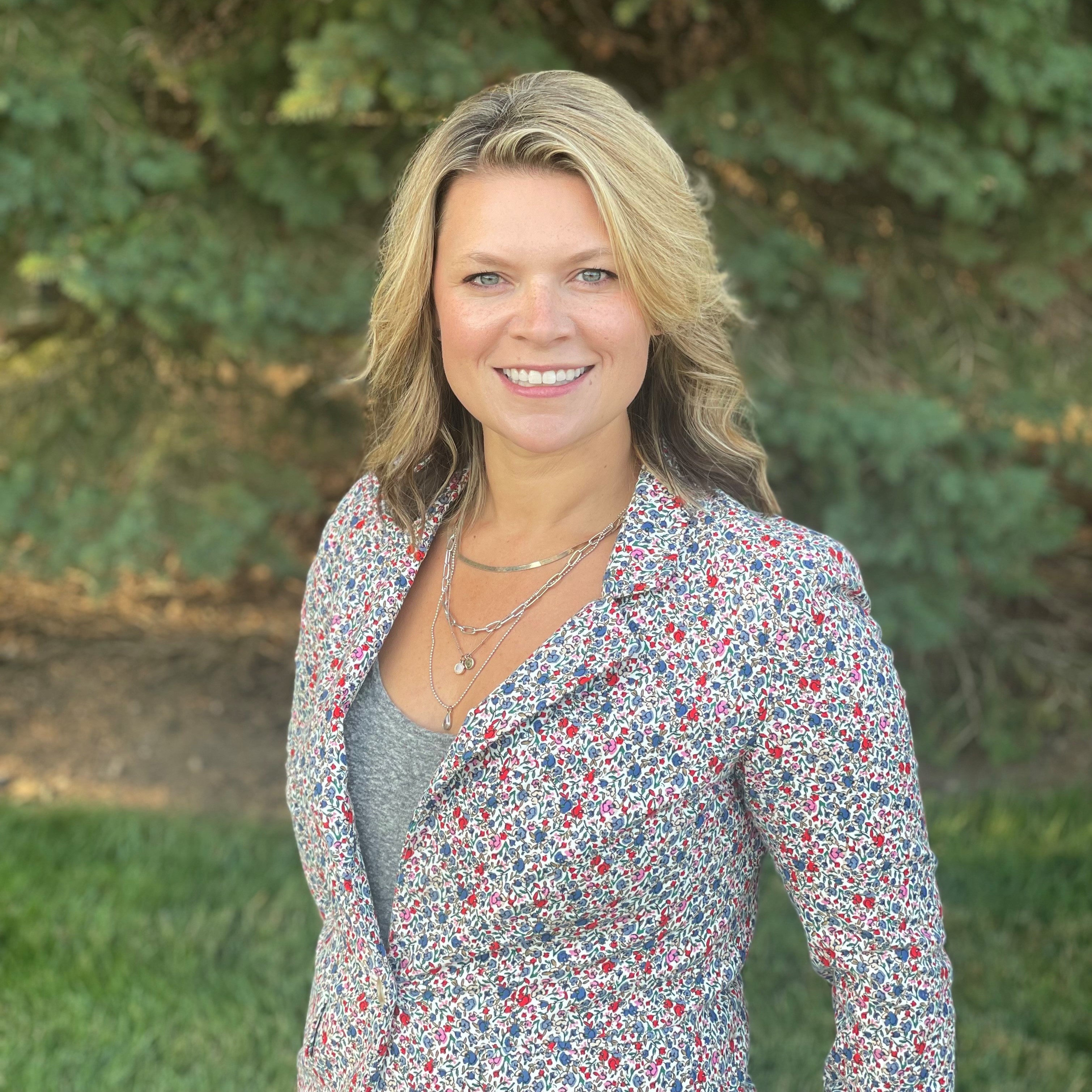
[00:00:38] Speaker B: We're almost at the end of Q3, we're headed into Q4. So we thought we'd bring in the big guns. Mr. Logain's himself, Logan Smith from the west coast, our senior account executive, Logan. Good afternoon.
[00:00:53] Speaker A: Good afternoon, everybody. I'm very excited, super excited to be here.
[00:00:56] Speaker B: How long have you been at Zipline, Logan?
[00:00:58] Speaker A: I just passed my four year mark August 17th.
[00:01:02] Speaker B: So you started right in Mid Covid?
[00:01:04] Speaker A: Mid Covid, yep.
[00:01:06] Speaker B: In office or at home?
[00:01:07] Speaker A: In office. I was actually like the only guy here and I think Jake and Richie were the only two other ones on the floor.
[00:01:14] Speaker B: Yeah, there's a couple months there where it was pretty quiet, huh?
[00:01:18] Speaker A: Yeah, it was completely empty. All the lights were off. It was just like a big cave.
[00:01:22] Speaker C: Yep.
[00:01:23] Speaker B: Teddy will know this. What's the Batman villain born in the cave? Bane?
[00:01:27] Speaker C: I have no idea. But yeah, you're. Yes.
[00:01:29] Speaker B: Born in the darkness. Oh, Job. Yes, that's Logan. Born in the darkness as a solo person.
[00:01:35] Speaker C: But you're not a villain at the
[00:01:37] Speaker B: office and now flourishing about what, a couple weeks on the west coast?
[00:01:42] Speaker A: Yes, I think we're pushing three weeks, maybe almost a month.
[00:01:46] Speaker B: And you spent most of your time in the Central, is that correct?
[00:01:49] Speaker A: Correct.
[00:01:50] Speaker B: Midwest Central.
[00:01:51] Speaker A: Yep. From day one.
[00:01:52] Speaker B: Want to call it? That's awesome. Obviously, certainly in those early years, the 2020-20 years, things were moving fast and furious. Prices were out of control.
We would work remotely and connect on a lot of spot freight. Quickly, quickly move shipments, get trucks in hand. Cause they were flying off the shelves. Right. That was your first foray into the world of logistics. Did you have a logistics job before here?
[00:02:19] Speaker A: So I actually did work at another brokerage for about two years right out of college, from like 2015 to 2017. Yeah, so I did have a little bit of previous experience, but it was
[00:02:32] Speaker B: nothing like those two years, I bet.
[00:02:34] Speaker A: No, no.
Took a hot minute to get back up to speed in the freight brokerage world, but once I did, it was like, didn't skip a beat.
[00:02:44] Speaker B: It's just like riding a bike, right, Teddy?
[00:02:46] Speaker C: Absolutely.
[00:02:47] Speaker B: So then we headed in the last two years, and it's been more or less a lot of the same.
Right. Since April of 2022, we had. We've talked about this before, but an abundance of carriers entering into the marketplace, chasing high, high, high pandemic, inflated rates, all sorts of crazy prices from basically April 2020 to April of 2022.
And since that time, we've had about 75,000 to 100,000 extra carriers in the marketplace, and that has suppressed both contract and spot rates. Set a fair assessment?
[00:03:23] Speaker A: I would say so, yes.
[00:03:25] Speaker B: Yeah. So now we are headed into quarter four of 2024. There's people out there mentioning that things are going to get better. The market's turning. If you look at the numbers, we still probably have 60 to 75,000, maybe more carriers in the marketplace than where they were at the beginning of 2020, and we do not have more freight moving at this juncture. Is that a fair assessment?
[00:03:53] Speaker A: Yes, I would agree.
[00:03:55] Speaker B: So I feel like I'm leading the witness a little bit here. So most of the time, you would say it's easy to find trucks, relatively speaking, it's harder to find quality carriers, in this case, reasonable prices. Right. Our customers are not demanding, is a little aggressive, but suggesting that our prices should be lower. And unfortunately, the trucking community is pushing back on the last two years of those. Those suppressed or compressed rates, whatever you want to call it. And we're fighting the battle every day.
[00:04:29] Speaker A: Fighting the good fight, as they say.
[00:04:31] Speaker B: Yeah. So that's kind of the biggest challenge, right, is. Is matching those. Those up. Because obviously we're. We're a business, and we need to do what's best for all of the parties involved. We talked about that on several podcasts. One of our values is partnerships. Logan, I'm sure you're aware of that. That's partnerships with our carrier providers and our customers and certainly internally with our employees.
[00:04:59] Speaker C: I think just jumping in here.
[00:05:01] Speaker B: Sorry, cutting you off, not just rambling.
[00:05:03] Speaker C: I think one of the toughest things about talking about a market update, explaining the market to anyone, whether it is customer or carrier or just random bystander that it's here to list, is that the market has always been on a cycle. We've always had things that happen that it's always been produce, and it leads into, you know, like the Christmas tree season leads into retail.
[00:05:23] Speaker A: Right.
[00:05:24] Speaker C: I feel like ever since COVID hit, produce changed a little bit, and the cycle is not the same cycle anymore. So we're trying to predict something that has been ultimately extremely predictable for, I don't know, ever. And now things are changing a little bit and we're trying to predict it and it's really, really tough. In addition to everything that you said, it's. Everybody is trying to make ends meet and we are in a shipper or a carrier's market right now, and that makes it pretty.
[00:05:51] Speaker B: Shipper's market.
[00:05:51] Speaker C: Shipper's market, yeah. Not a, not a carrier's market. But I mean like, we're both the brokers are kind of the middlemen of those two situations, of them trying to get this market to work for their benefit.
[00:06:04] Speaker B: Yeah, it's been tough, right. I think that's the, the biggest day to day challenge that we have is that you're, I don't want to say like not livable wages, but it's, you see, read a lot of things. Like it's 250 to turn on your truck, right. And we see people that have 25 mile an hour of 25 mile runs that are suggesting that they have rates for 225 all in. It's like, how does that even. Not only are you turning on your truck, you're driving 25 miles and you're only getting paid, you know, $225 for it. That's, that's difficult, typically. You're absolutely right, Teddy. There are seasonal upticks or changes or challenges in pockets across the country. As you mentioned, produce season that can be peaches in Georgia or oranges in Florida or Christmas trees in Washington and Oregon or blueberries in Michigan. Right now, heading into Q4, we would call this, you know, holiday peak season. Right. And I think what we've seen certainly last year and through nine months or eight and a half months of, of 20, 24, is that there are blips. We've experienced that, Logan. Right.
[00:07:19] Speaker A: Yes.
[00:07:19] Speaker B: There's been a little like it's in April 15 to July 15, the southeast, it was more difficult to find consistent capacity at fair market rates.
Just like it is every produce season or most produce seasons. Right?
[00:07:34] Speaker A: Yes.
[00:07:35] Speaker B: It's a, I think it's a smaller blip or a smaller bump than it has been in the past.
And that's the challenge of it all. Is that like, all right, well, you know, we keep thinking it's gonna shorten up or, or go faster and it doesn't. And then maybe you're underwater. And so things were already tight and now you're underwater on lanes that you don't need to be underwater on. And it's, and it's a challenge.
So. But what I'm reading heading into Q4 and Logan's gonna correct me if I'm wrong, but there is gonna be an uptick in shipping for the holiday season, correct?
[00:08:08] Speaker A: Oh yeah, I would say Q4. I mean you have the holidays coming up. Expect a bump in consumer buying and sure, going out, just preparing for the holidays, getting gifts for relatives. So yeah, there will be that volume to finish us off strong to end 2024.
[00:08:27] Speaker B: But because of the aforementioned 75,000 carriers still in the marketplace left over from those two years, the bump is not going to be as significant as it once was.
[00:08:40] Speaker A: Yes, I would agree.
[00:08:41] Speaker B: Yeah. So go ahead.
[00:08:43] Speaker C: We've talked about some challenges.
[00:08:44] Speaker B: Yeah.
[00:08:45] Speaker C: I want to hear from you, Logan, on what advantages are coming from this current market. Do you have anything? I mean you are the one dealing with the carriers on the day to day on these specific lanes. What are you seeing that actually could be considered a benefit? Let's turn this to a positive market story. Now.
[00:09:00] Speaker A: I would say especially for what we do here at Zipline, I mean one of the biggest advantages that we can kind of bring to the carrier side of things is just the relationships that we have with these people, especially high volume lanes. If we build good relationships through the good times and the bad, you can just keep feeding these people freight. And if you need to adjust on the fly, if, if rates increase or if, if we see a decrease in rates depending on the time of year, you know, they're, they're more willing to work with us on that.
So I would just say building those relationships with carriers is huge for what we do here every single day.
And they are absolutely crucial to making this business run. It's what makes us great and what makes us stand out from a lot of the other brokerages out there is how we treat our carriers with respect, honesty, just bringing open communication and fairness to the table.
So carrier relationships are absolutely vital to what we do here.
[00:10:06] Speaker B: Yeah.
[00:10:07] Speaker A: And without them, I mean we, we'd be even having a more of a tougher time than we are now.
[00:10:12] Speaker C: Yeah, yeah, it's true. I like that.
[00:10:14] Speaker B: We mentioned, we've talked previously about those partnerships, Teddy. Right.
[00:10:18] Speaker C: We have 10 four day and 10
[00:10:20] Speaker B: four days coming up. And one thing that your regional manager, Sean Buckle mentioned, that it is pretty cool in his 10 years here, his tenure and his 10 years here seeing the carriers grow. Right. So it's and go from maybe two trucks or maybe an owner op into like multiple tractors and drivers. So that that is, that is part of it in that relationship and being able to drive the consistency is, is critical to the success not only for Zipline, but for them and for our customers. Right. It makes everything run so much smoother when you have the same driver who knows exactly what to do at a shipper or at a receiver on a daily basis and should make everybody feel better. So that's awesome.
[00:11:07] Speaker D: What's up truckers? If you love the Truck yeah Podcast, you'll also love the other content we create here at Zipline Logistics. I'm talking funny tiktoks, weekly blogs, informational ebooks, client interviews, and so much more. To keep up with the latest CPG industry news and content. You can subscribe to Zipline Logistics retail resources by visiting www.ziplinelogistics.com enews or by simply clicking the link in the show notes. You don't want to miss out on the hottest expert insights on trending topics delivered right to your inbox. And you want to know the best part? It's completely free, so sign up using the link in the Show Notes. Now let's get back to the episode.
[00:11:49] Speaker B: One of the things that's in our notes here, Teddy. Pain points for carriers.
[00:11:54] Speaker C: Yes.
[00:11:55] Speaker B: It says reworks question mark.
[00:11:57] Speaker C: That's not a pain point. That's just fun.
[00:11:59] Speaker B: Yeah, sure.
So one of our things, 80 one of our core stats that we share with potential customers, 85% of our freight ends up on a retail shelf. One of our top five receivers happens to be Costco. Costco has a very specific type of pallet configuration.
Sometimes that pallet configuration doesn't go well and it results in maybe a tip skid or two, maybe a crushing of a case or something along those lines leaking. Costco's super smart is that they say we're not even going to do anything with that. Go find something.
[00:12:36] Speaker C: I wasn't sure where you're gonna go.
[00:12:37] Speaker B: Go find somewhere and someone to deal with it before you bring it back here because we want to be able to just take it right off and put the pallet onto the floor. I know Teddy shops at Costco for sure. Do you shop at Costco, Logan?
[00:12:50] Speaker A: I have before.
[00:12:51] Speaker B: Yeah. Yes, I do as well. It's pretty cool. Dangerous.
[00:12:55] Speaker C: It's a day activity, but yeah. Yeah.
[00:12:57] Speaker B: Anyways, either way. Either way they bring. They just take the product, put the forklift and throw it in the middle of the aisle. It's on a palette displayed. It's genius.
[00:13:09] Speaker C: It is.
[00:13:09] Speaker B: So that palette's got to be well configured.
[00:13:12] Speaker C: It's got to be pretty, it's got to be pleasing to go shop on.
[00:13:15] Speaker B: That's the point. But because they're a top five retailer, because we deliver consistently into them, these reworks happen. What do you do when a rework occurs?
[00:13:26] Speaker A: So first things first, we obviously get with the driver, the dispatcher have to get pictures of the pallets in the truck. Like Jesse said, sometimes they are tipped forward, tipped sideways and it can be anywhere from the entire truck load shifted to if it's just one to two pallets, they're going to turn away the whole load and tell us we need to go rework it. Sometimes they will help us out and suggest a rework facility that they prefer have sent carriers to before.
Other times it's on us to do some research, find a rework facility in the area and then basically from there we just send the carrier in, coordinate with the rework facility, explain what we need from them. Like hey, we need 4, 6, 10 pallets of beverages restocked or restacked, Rewrapped, make it nice and pretty, put a bow on it. And from there the original carrier, if they have the time, can either redeliver it usually next day new appointment or we can leave it on the rework facilities dock. Sometimes they have their own drivers that can redeliver to Costco or we can just find another truck to pick it up and redeliver it to Costco.
[00:14:46] Speaker C: We have a pretty beautiful network and setup created from some issues that we've had to his point.
[00:14:52] Speaker B: Trivia question for Logan. Do you know who helped create that network of rework facilities originally?
[00:14:59] Speaker A: Is it one of you two? Teddy.
[00:15:02] Speaker B: Ooh, she's probably Teddy Darlington.
[00:15:04] Speaker C: I was Teddy Darlington at the time and I think I had held the record for 30 rejections in one day at that time.
[00:15:09] Speaker B: Oh my goodness. Yeah.
But yeah, that's the best way to learn is to, to do right. So it happened. And one of the many problems that Teddy solved throughout her time here at Zipline that sounded very simple for, for Logan.
[00:15:27] Speaker C: You didn't even look at your notes for that. You know it that well exactly what
[00:15:30] Speaker B: we do which is aw a little more complicated than that but that's certainly a pain point for a carrier. Again, we're talking about low prices. Time is money.
So getting rejected and having to go somewhere else, figuring out if we're, if the customer or you know, their brokerage partner is going to be able to allow them to get the freight completely off the trailer or if they're gonna have to wait and Lay over till the next day. I mean, those are. There are definitely hiccups and challenges with that. So, first of all, having worked with Logan for four years, having that demeanor and being like this is exactly what you need to do. Follow this process and we'll keep you updated. That's a great start. And then having the rework that, like we said, Teddy has developed over her many years of. There's a lot of people working on the Costco freight is critical to the success in making it run smoothly.
[00:16:23] Speaker C: I think that's another really important part about the market, is that we have all these different things like the pain points and the rejection rates and volumes. But a big part of it is the destinations, the retailers that we're going into, how difficult or easy they are to work with. And that usually makes up, you know, where carriers want to go. So to your point, those relationships that we have can help us understand going into these retailers, help us gain our CPG expertise, but also help us negotiate with the carrier. Do you have any other points from that?
[00:16:54] Speaker A: No, I agree completely. If you run into issues, I mean, another pain point being breakdowns. Those.
I. I mean, at least once every day I feel like we have a truck breakdown, and that's just the nature of the business.
But it does make it easier. If it's a carrier we're used to working with, they're a lot more timely with their communication and updates. I mean, customers need breakdown receipts. They need to know what's happening constantly. So having trusted carriers in our network that we can just use time and time and time again is a huge benefit. Not only when you have rejected loads that you have to deal with, but, you know, breakdown, driver issues. Yeah, you name it, the communication is key.
[00:17:38] Speaker B: Do you work with Canopy every day, Logan?
[00:17:43] Speaker A: I do, yes.
[00:17:44] Speaker B: Nice. What do you think? I bet Teddy can answer this, but how do you think canopy offers shippers an advantage in this market?
[00:17:53] Speaker A: So I will say canopy is an awesome tool that Zipline can offer to all of our customers. And like you said, shippers. Yeah, the visibility, high visibility that you get through Canopy. I mean, you can track pretty much the life of the entire load from dispatch status to pickup and throughout the driver going from the shipper to the receiver.
[00:18:17] Speaker C: Yeah.
[00:18:18] Speaker B: Sometimes even before dispatch, which is wild.
[00:18:20] Speaker A: Sometimes even before.
[00:18:21] Speaker B: Yeah.
[00:18:22] Speaker A: So, yeah, just having that visibility of especially, you know, we. We have tracking, macro point tracking, ELD tracking on these guys.
And I'm sure shippers want to see where their stuff is, make sure it's running on time.
[00:18:35] Speaker B: Yeah.
[00:18:36] Speaker A: So having that visibility from start to finish is huge.
[00:18:40] Speaker B: Holds you accountable on that track, those tracking updates, doesn't it?
[00:18:44] Speaker A: Absolutely.
[00:18:46] Speaker B: Teddy, any other thoughts on Canopy? How can it help?
[00:18:48] Speaker C: I would take it one step further as well. So everything you said is on point and I love it. I would also kind of just go into the transparency of it. So like you were saying, we're able to see, you know, exactly where things are that leads to that map and on time percentage that we are, you know, very focused on cpg and I think that that's important. But we can take that and then turn it into data that they can use in forecasting. They can use to discuss with their sales team to increase the number of cadences or even item counts on each PO that they get. And I think that that's really important because we're not lying, we're not holding anything back. Like you said, if a driver is breaking down and doesn't give us a breakdown receipt, we're not going to hide it. We're going to say exactly what happened. They're going to be able to see it every step of the way and then they're going to be able to use that and show how they can continue forward in a different way or how we can continue to move the needle forward with them with our processes, with our expertise. And I think that makes a huge difference is that it's the visibility, but it's also the transparency of it and then they can take that information and use it however they see fit in their role.
[00:19:55] Speaker B: You get a this one retail expertise. Logan, you we mentioned 85% of our deliveries going to retailers or on a shelf. When you're talking to carriers, maybe a new carrier, are you talking to them about the retailer and the expectations for like a unfi load or, or maybe an Aldi load that we deliver into. It's like, hey, this is scheduled for 11pm and if you don't make it by 3am like you're not going to get unloaded until 11pm the next day.
[00:20:28] Speaker A: Oh yeah. And you know, some of those crazy delivery times do make a load harder to sell. But I would say just being upfront and honest about the appointment times, you got to say, you know, hey, if you're late to this appointment, there's going to be trouble.
And that's kind of where we as a carrier sales team will line out money for on time delivery, timely communication, tracking, all those things kind of give the driver and the carrier incentive to get it there on time. You know, barring any unforeseen circumstances control what you control.
[00:21:07] Speaker B: We're in this communication, clear, concise, setting the expectations, having a carrier partner, like we're in this together, like obviously makes my job a lot easier if we deliver at 11pm tonight as it's scheduled. But you know, let's cross that bridge if, if something bad happens or unexpected happens, not necessarily bad, expected, that's great for you. Yeah. Expect the unexpected. Teddy, any other thoughts on the market Q4?
[00:21:35] Speaker C: No.
[00:21:35] Speaker B: Did you have any other thoughts in General on our Q4 market update?
[00:21:38] Speaker C: I feel like end of Q3, Q4 we go into hurricane season and this is a big thing that causes a lot of disruption and I've been navigating. I always sound so pessimistic when I talk about this. But it's real and it happens and it causes problems. Not just for freight but for everything. And I think that's something that people really need to prepare for. We've prepared customers for this before and yes, things don't always end up perfect, but they end up better. And so make sure that you have the tools, you have the communication and place to handle these things because they do come on kind of fast and you never know exactly how it's going to happen. So if you don't have the right partner, if you don't have the right resources, call us because we'll get them for you. Don't look anywhere else. Make your life easy.
[00:22:18] Speaker B: Nailed it. Logan, any Other thoughts on Q4 along
[00:22:22] Speaker A: with the hurricane thing? I would, I would definitely say after fall kind of comes and goes, get into the, the last couple months of the year. I know not a lot of us here in Ohio are a fan of winter weather but it is a reality of living in the Midwest and that's another just seasonal kind of change that you have to keep in the back of your mind and prepare your carriers for, prepare the customers for because good stuff out there. Get road closures, snowstorms, all kinds of fun stuff. So you got to be proactive when planning for the winter season ahead. That's right.
[00:23:00] Speaker B: It's a really good call. It's probably certainly Thanksgiving and on May, hopefully not before. Knock on wood. Yeah, that's going to be man, it's closing in on us fast. All right, that's Q4 market update. Thanks to senior account executive on the west coast region Logan Smith for joining us.
Please leave a five star review on Apple or Spotify that helps us get more listener more truck yesters. Give us a call 888go zipline. Ask for Logan Smith in the west coast, or Teddy specifically. They'll know exactly who you're talking about. 888-go-zipline. Www.ziplinelogistics.com thanks, everybody.